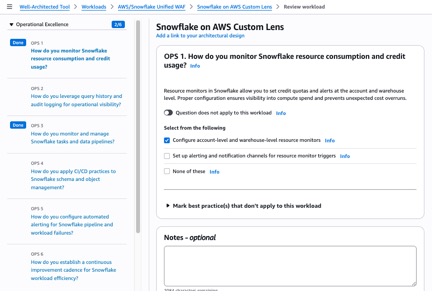
The Snowflake and AWS Custom Well-Architected Framework Lens brings together AWS Well-Architected best practices and Snowflake guidance into a single review experience, with integrated recommendations that reflect how the two services compose in production. In this post, we walk through each pillar, the three access points (AWS Management Console, Kiro, and Snowflake Cortex Code), and how to run your first…
AWS Architecture
https://aws.amazon.com/blogs/architecture/ · 20 posts · history since 2026 · active
Yesterday
9 Jun

In this post, you learn how to build an automated, serverless pipeline that converts scanned PDF medical records into FHIR R4-compliant data using Amazon Bedrock Data Automation and AWS HealthLake. We walk through the architecture, explain how each AWS service connects to the next, show you what the pipeline looks like when it runs, and get you deployed in under…
3 Jun
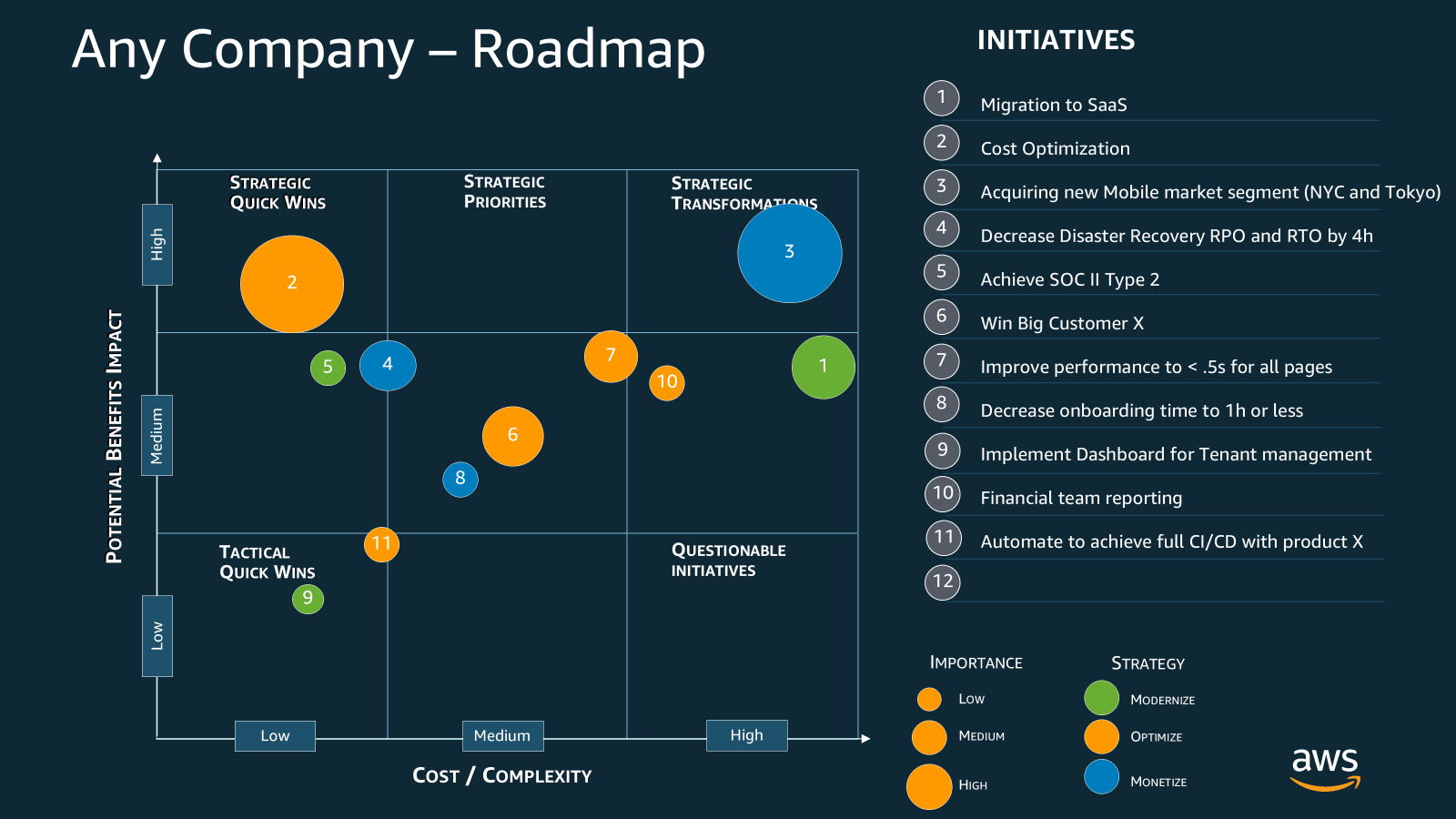
In this post, we show you how to run a one-hour prioritization session with your stakeholders, plot competing initiatives on a shared matrix by cost and impact and turn the result into an actionable architecture backlog - using a framework called Tech Roadmap Prioritization (TRP).
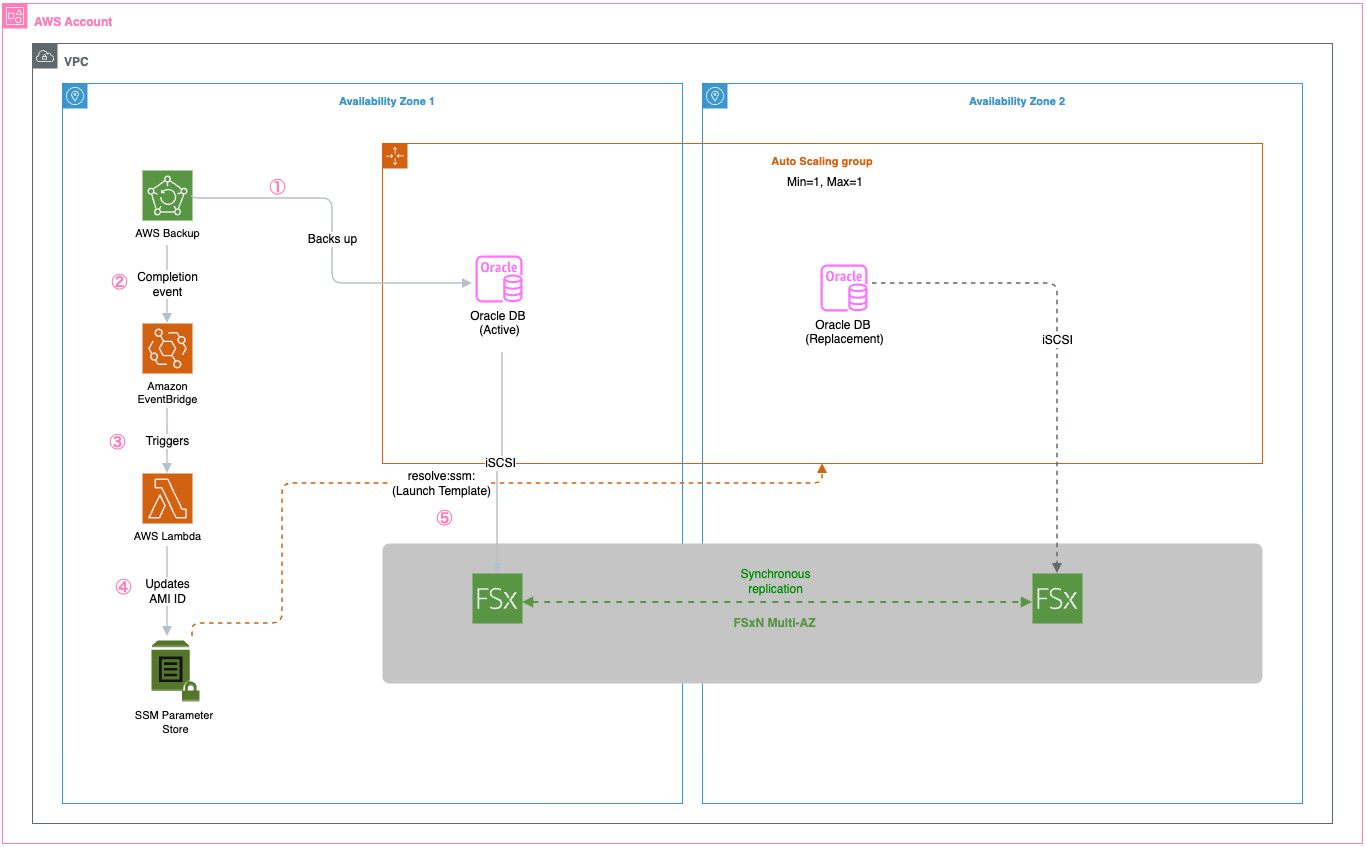
This post shows how to build a highly available Oracle database architecture using FSxN shared storage, Auto Scaling groups with dynamic AMI updates, and serverless orchestration to help reduce recovery times with current configurations.
2 Jun

In this post, we show you how Doczy.ai™ uses generative AI on AWS to automate contract intelligence at scale, transforming unstructured documents into structured, actionable insights, so organizations can automate critical business processes and unlock the full value of their data.
1 Jun
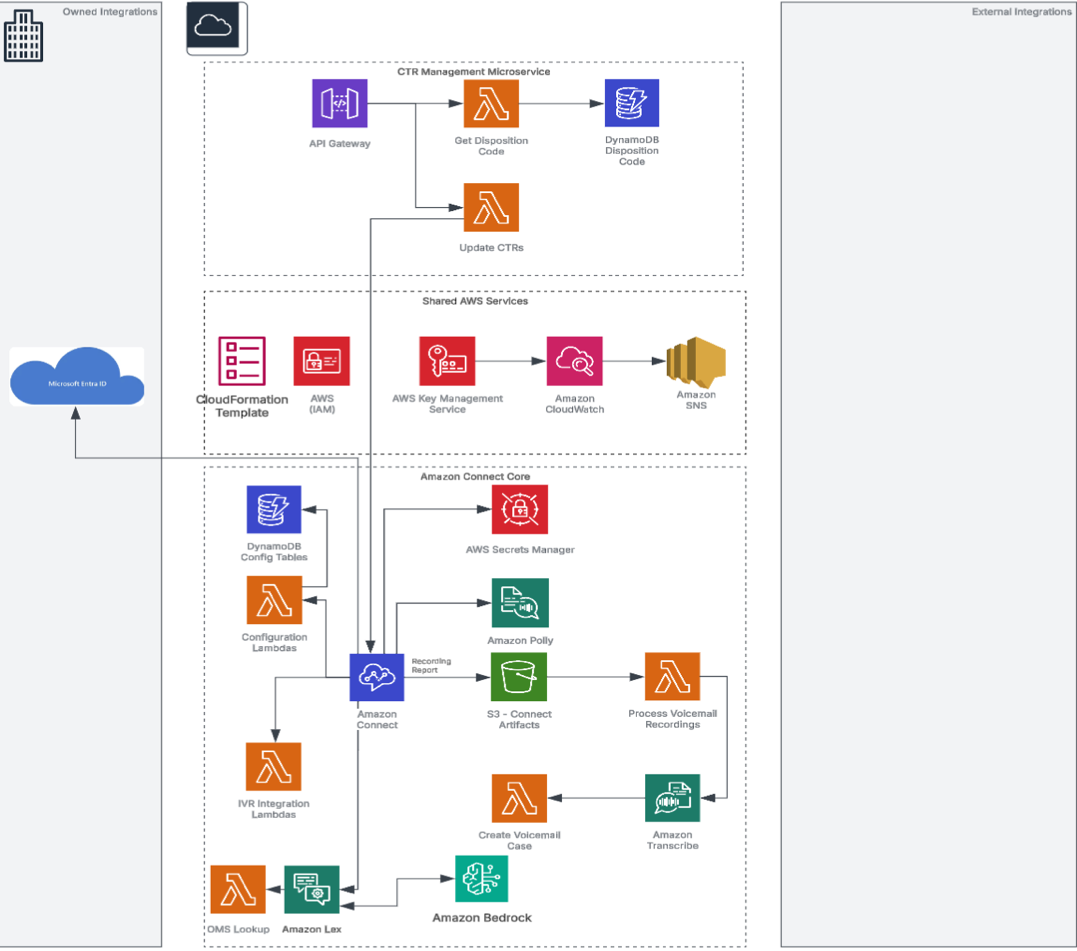
This post details how NYCBS partnered with Amazon Web Services (AWS) and AWS partner Pronetx (now part of Caylent) to migrate to Amazon Connect Customer, the AWS cloud contact center service. The migration delivered a 54 percent improvement in patient enrollment and transformed the way NYCBS connects with the patients who need them most.

In this post, we show how to build a comprehensive scalable user search layer on top of Amazon Cognito using AWS Lambda, Amazon DynamoDB, and Amazon OpenSearch Service.
20 May
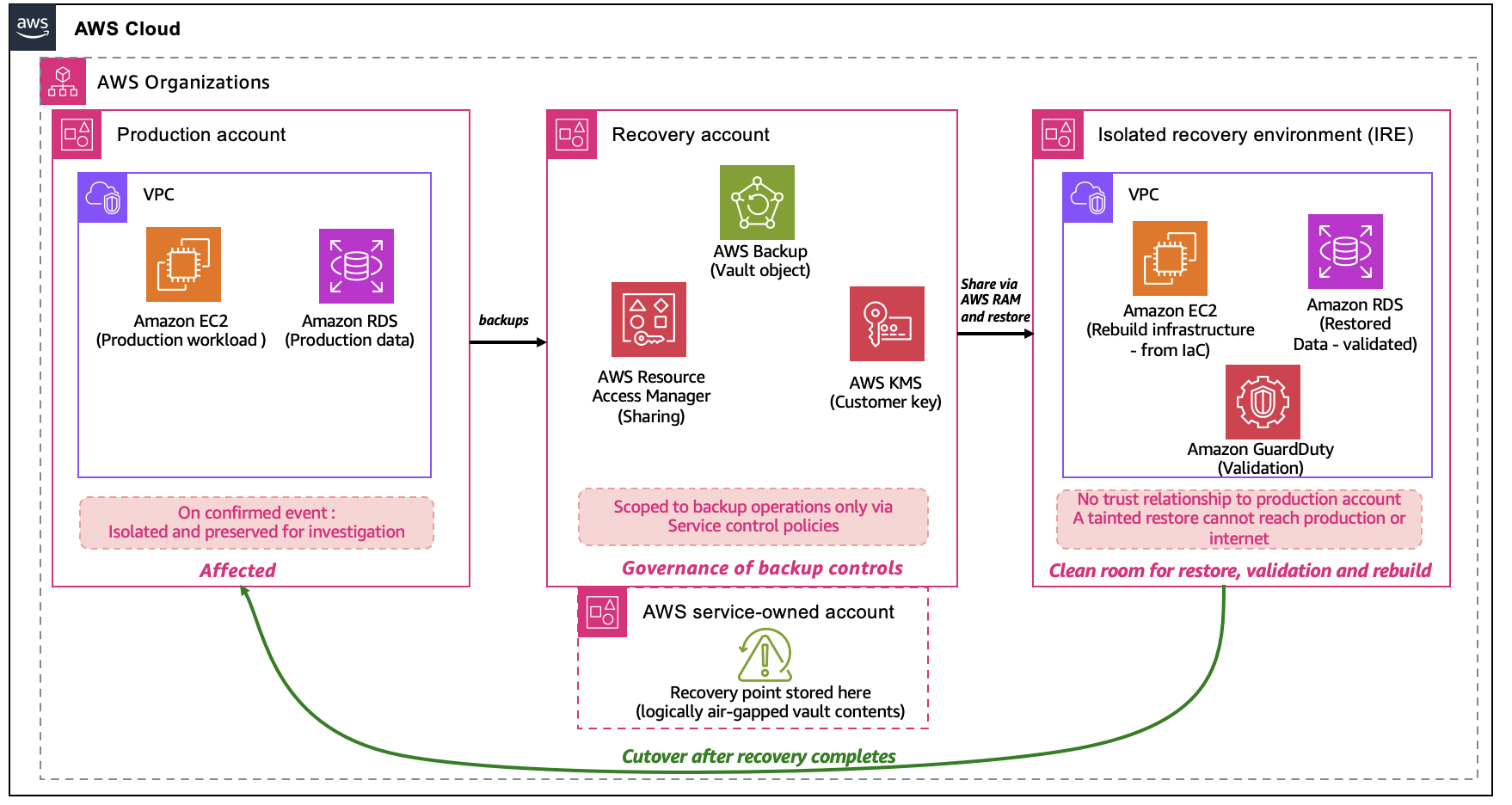
Cyber resilience is the ability to recover workloads to a known-good state after an adversary has affected the environment. Prevention works to keep threat actors out and detection works to find them quickly. Cyber resilience focuses on recovery: restoring a trustworthy environment when backups, credentials, or parts of the infrastructure can no longer be assumed […]
19 May
This post explores how ALS GeoAnalytics successfully deployed LITHOLENS ™ with Amazon Elastic Kubernetes Service (Amazon EKS) to scale model training and inference while minimizing cost.
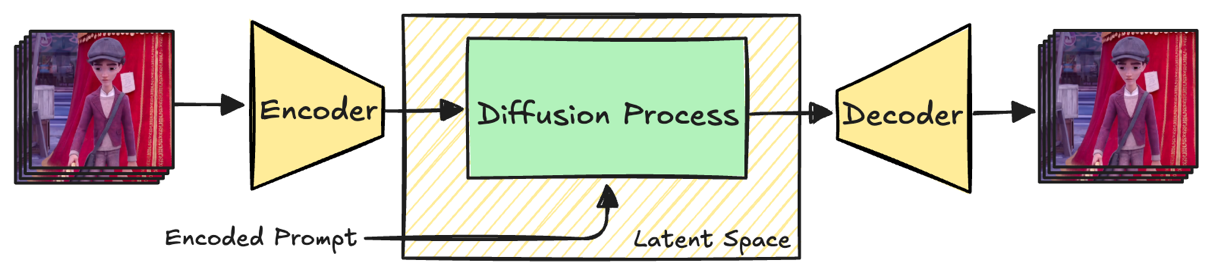
This post introduces a video decoding optimization technique that we have ideated in collaboration with Synthesia Research Engineering team, which we call Asynchronous Frame Generation Pipeline. Adopting this technique allows you to overlap GPU compute, device-to-host (D2H) data transfer, and host-side post-processing. In this post, we apply this technique to the VAE decoder of a Wan video generation model as…
13 May
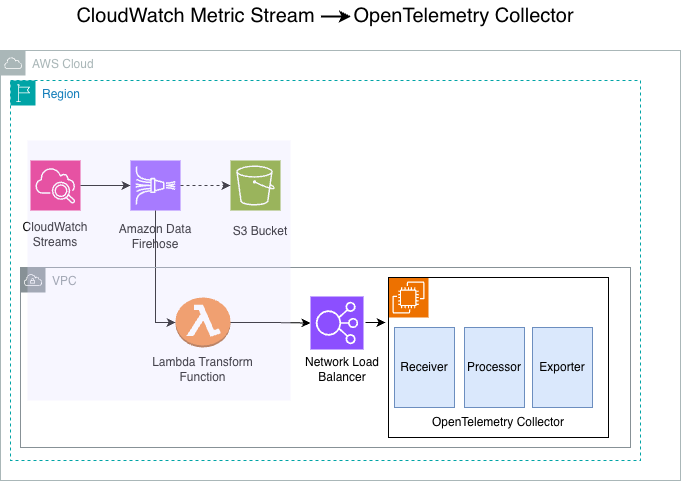
In this post, we demonstrate an approach we used to address this challenge for a customer by implementing an AWS Lambda transformation function that streams Amazon CloudWatch metrics directly to internal OpenTelemetry collectors running within a VPC.
12 May
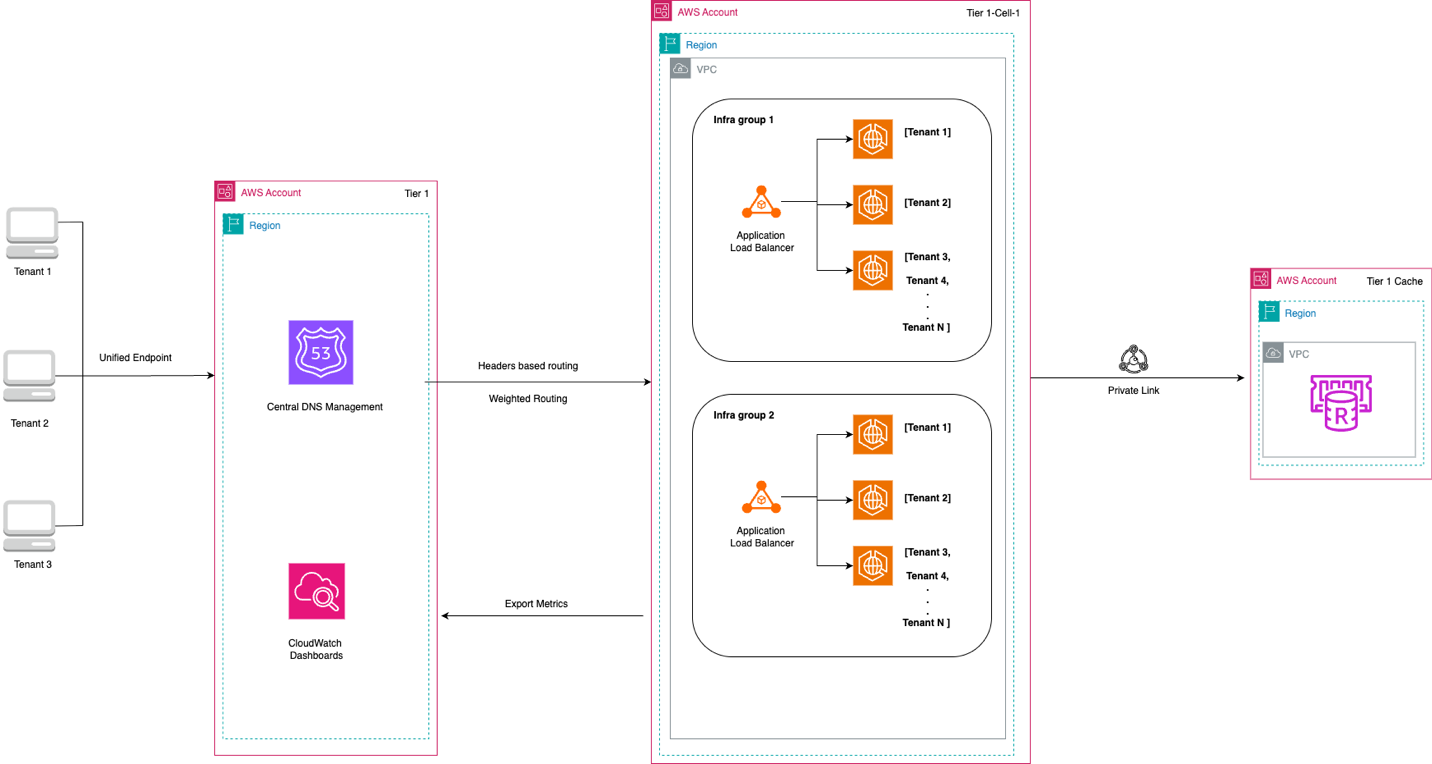
In this post, we show you how to build a hybrid multi-tenant architecture that provides strong tenant isolation without requiring per-tenant AWS accounts. You learn how to configure Route 53 weighted routing to distribute traffic across multiple accounts, deploy Application Load Balancer listener rules for tenant-specific routing, create dedicated ECS clusters per tenant, and establish AWS PrivateLink connectivity to shared…
11 May
Organizations face critical architectural decisions that can impact their operations for years to come such as: Is it better to maintain a single organization or implement multiple organizations? In this post, I explain the key advantages and disadvantages of both approaches and the scenarios where each model fits best.
27 Apr
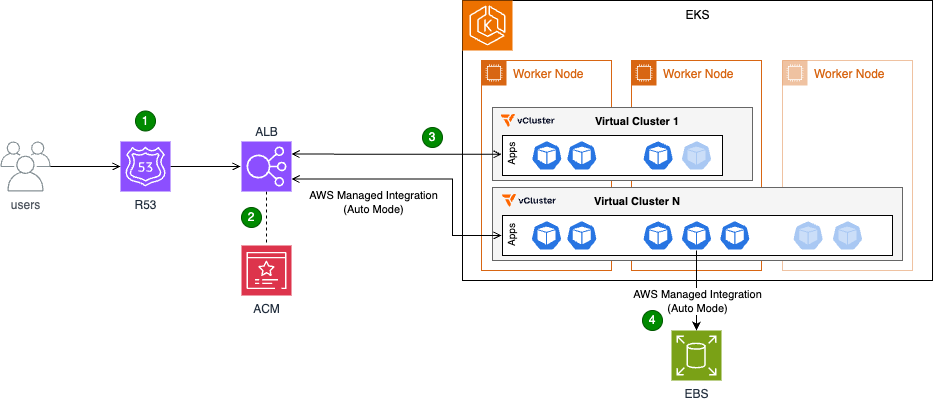
In this post, we explore how Deloitte used Amazon EKS and vCluster to transform their testing infrastructure.
23 Apr
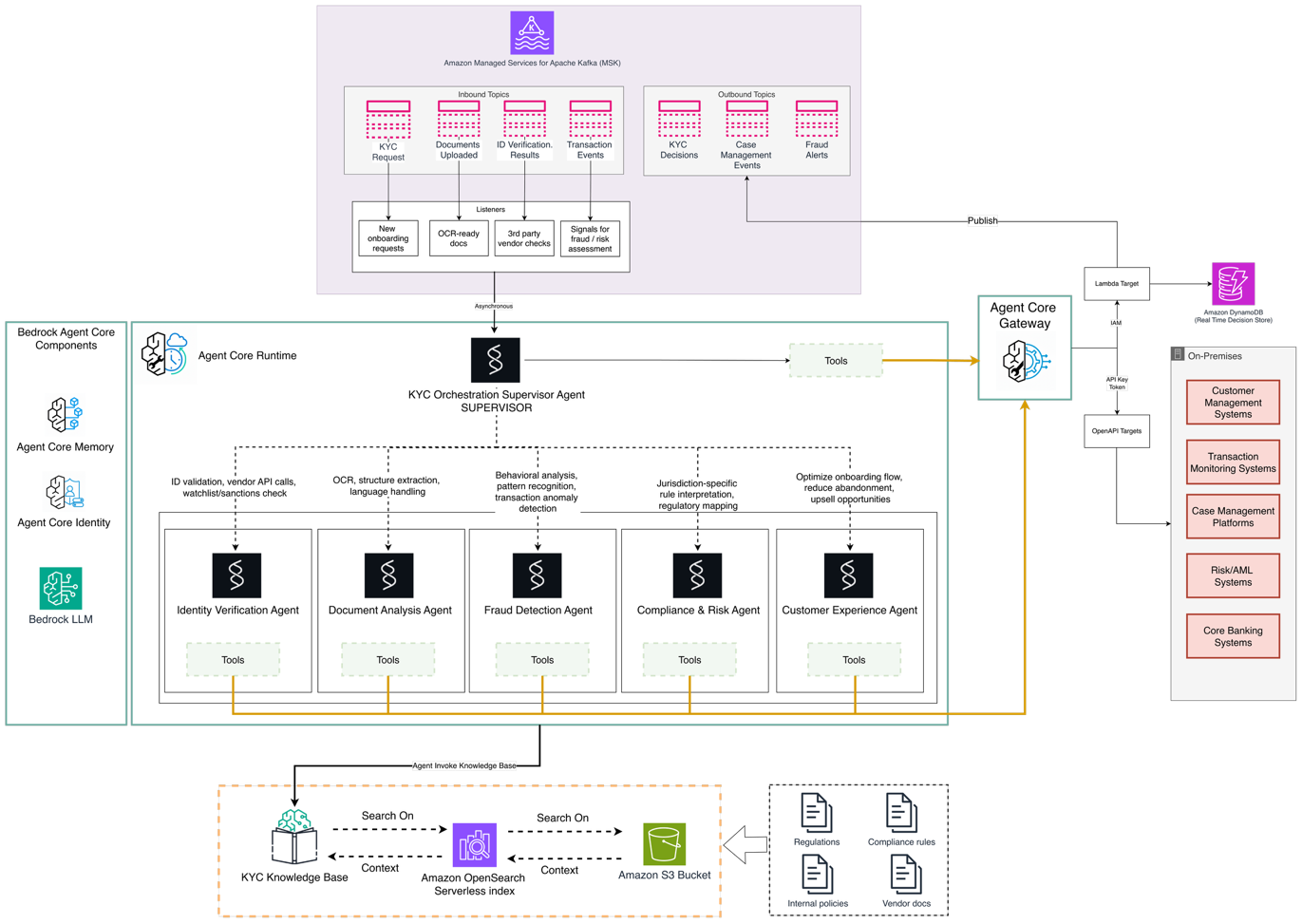
This post extends IBM's approach to real-time KYC validation using generative AI, as previously discussed in the post IBM Digital KYC on AWS uses Generative AI to transform Client Onboarding and KYC Operations. It transforms compliance operations through autonomous decision-making and intelligent automation using agentic AI, event-driven architecture, and AWS serverless services. The solution addresses the fundamental limitations of traditional…
22 Apr
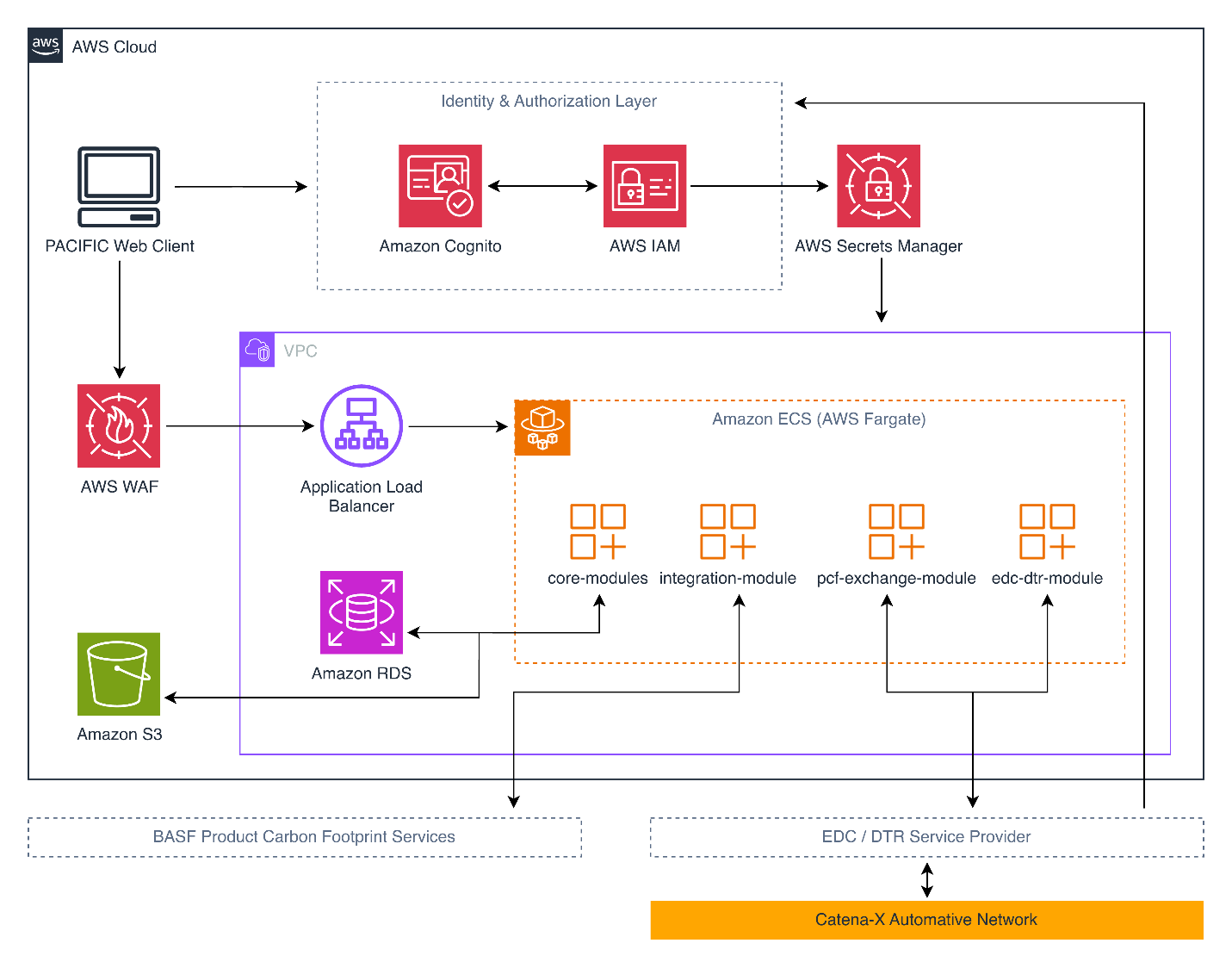
This post explores how PACIFIC enables multi-tenant, sovereign PCF exchange on the Catena-X data space using Amazon Elastic Container Service (Amazon ECS) on AWS Fargate, Amazon Cognito, and AWS Identity and Access Management (IAM) to deliver measurable environmental impact and competitive advantage in a carbon-conscious marketplace.
21 Apr
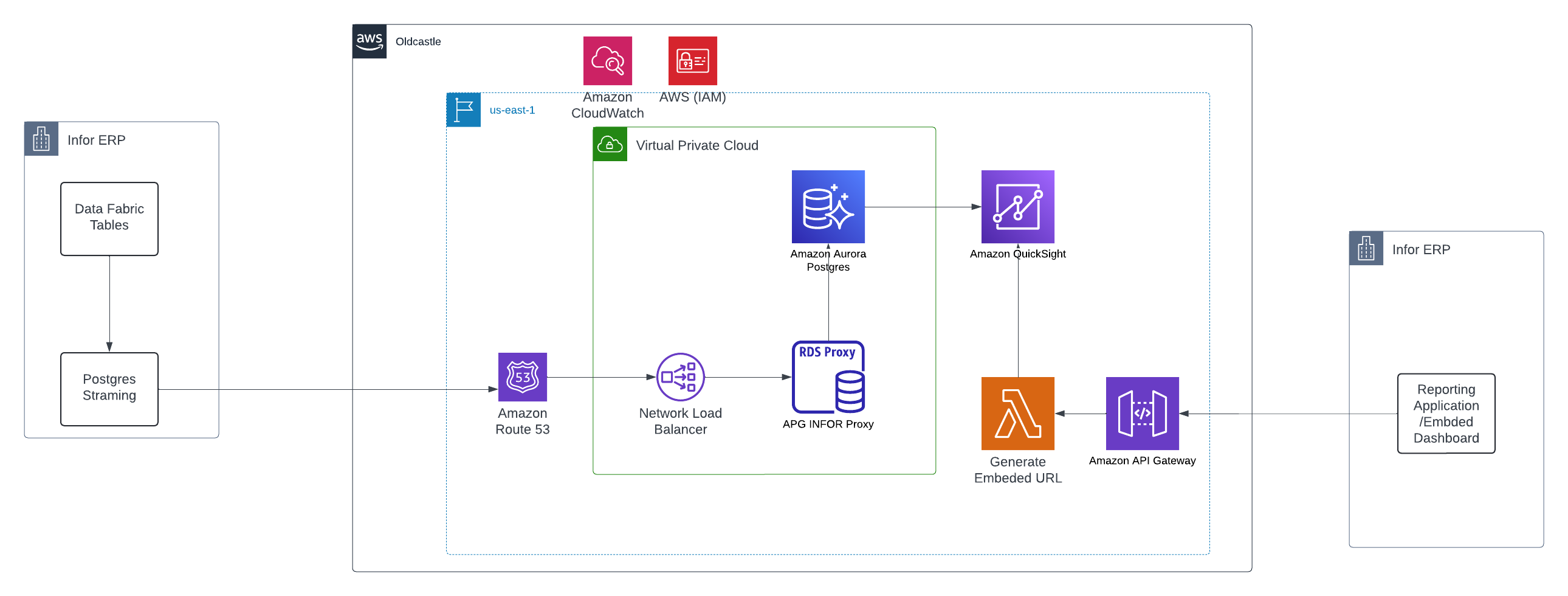
This post explores how Oldcastle used AWS services to transform their analytics and AI capabilities by integrating Infor ERP with Amazon Aurora and Amazon Quick Sight. We discuss how they overcame the limitations of traditional cloud ERP reporting to deploy real-time dashboards and build a scalable analytics system. This practical, enterprise-grade approach offers a blueprint that organizations can adapt when…
8 Apr
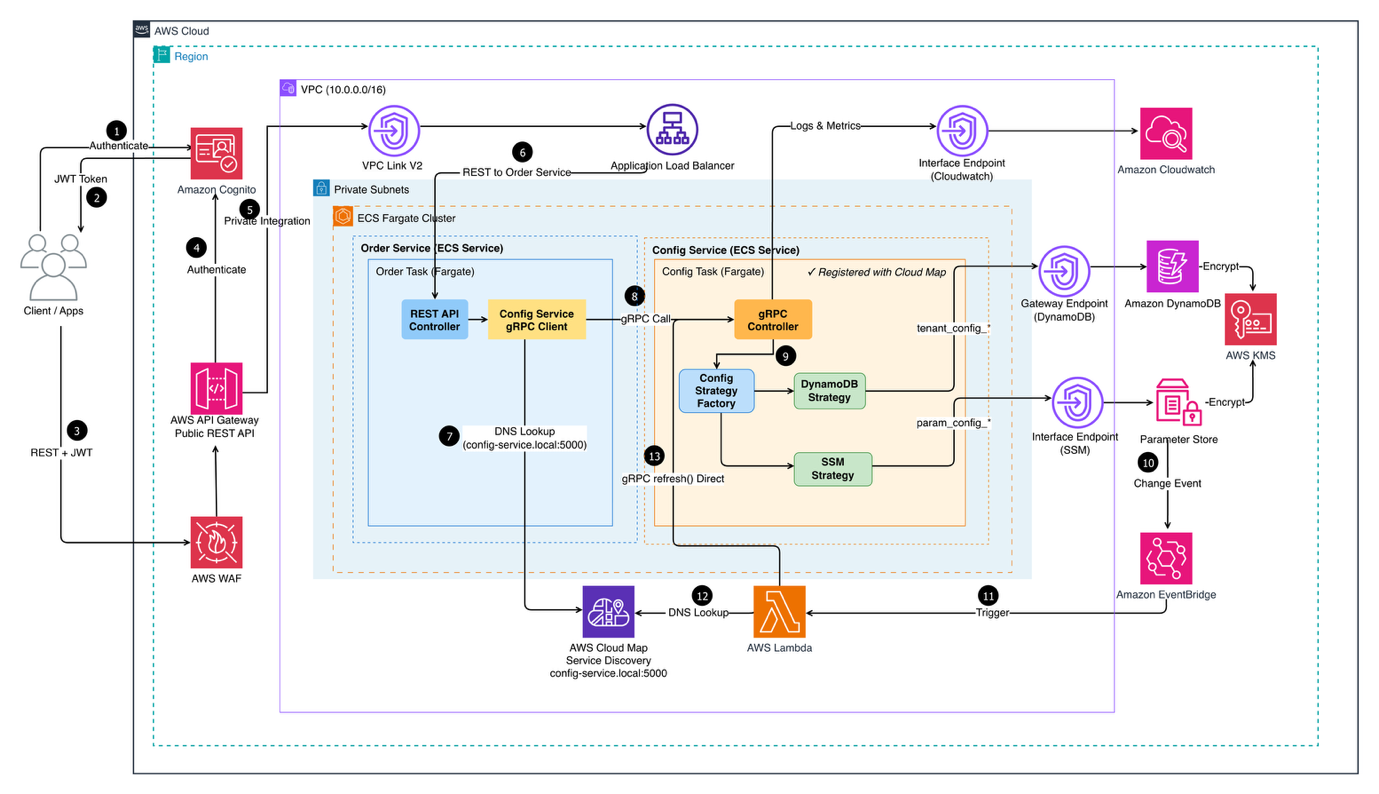
In this post, we demonstrate how you can build a scalable, multi-tenant configuration service using the tagged storage pattern, an architectural approach that uses key prefixes (like tenant_config_ or param_config_) to automatically route configuration requests to the most appropriate AWS storage service. This pattern maintains strict tenant isolation and supports real-time, zero-downtime configuration updates through event-driven architecture, alleviating the cache…
6 Apr
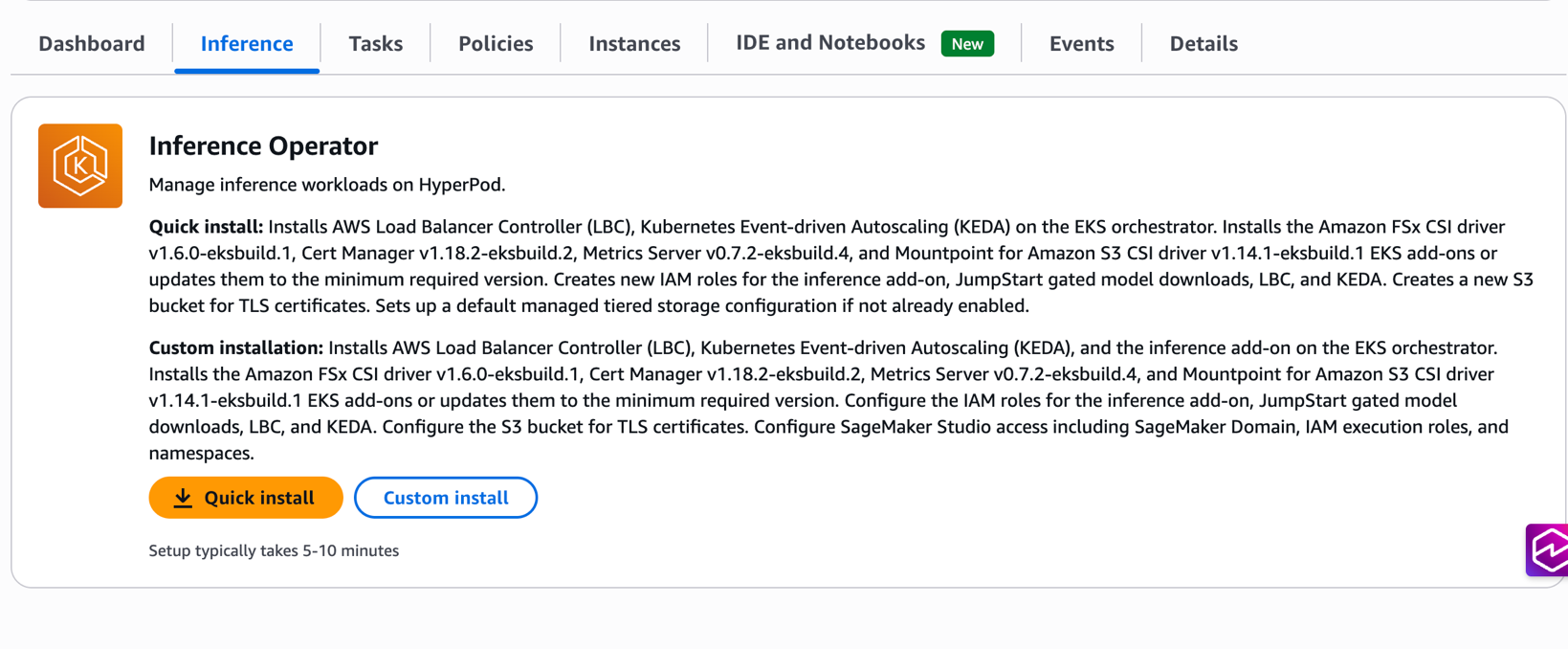
In this post, we walk through the new installation experience, demonstrate three deployment methods (console, CLI, and Terraform), and show how features like multi-instance-type deployment and native node affinity give you fine-grained control over inference scheduling
1 Apr
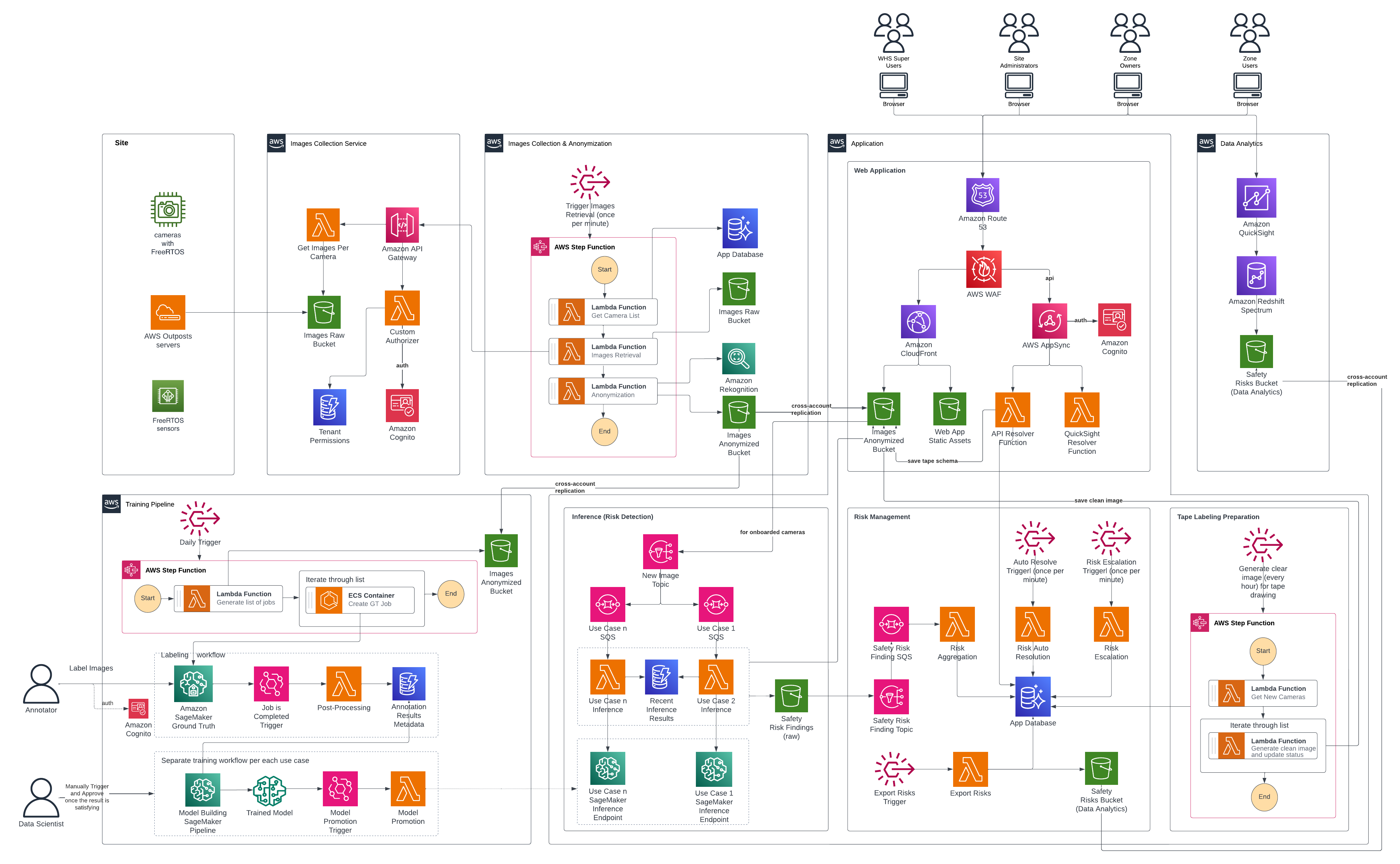
This post describes a solution that uses fixed camera networks to monitor operational environments in near real-time, detecting potential safety hazards while capturing object floor projections and their relationships to floor markings. While we illustrate the approach through distribution center deployment examples, the underlying architecture applies broadly across industries. We explore the architectural decisions, strategies for scaling to hundreds of…