The complexity of modern containerized applications often leaves developers drowning in a sea of "noise"—vulnerabilities that exist in the file system but pose zero actual risk to the application. The integration between Black Duck and Docker Hardened Images (DHI) provides a definitive answer to this challenge. By combining Docker’s secure-by-default foundations, using VEX (Vulnerability Exploitability...
#partnerships
10 posts
5 May
30 Apr
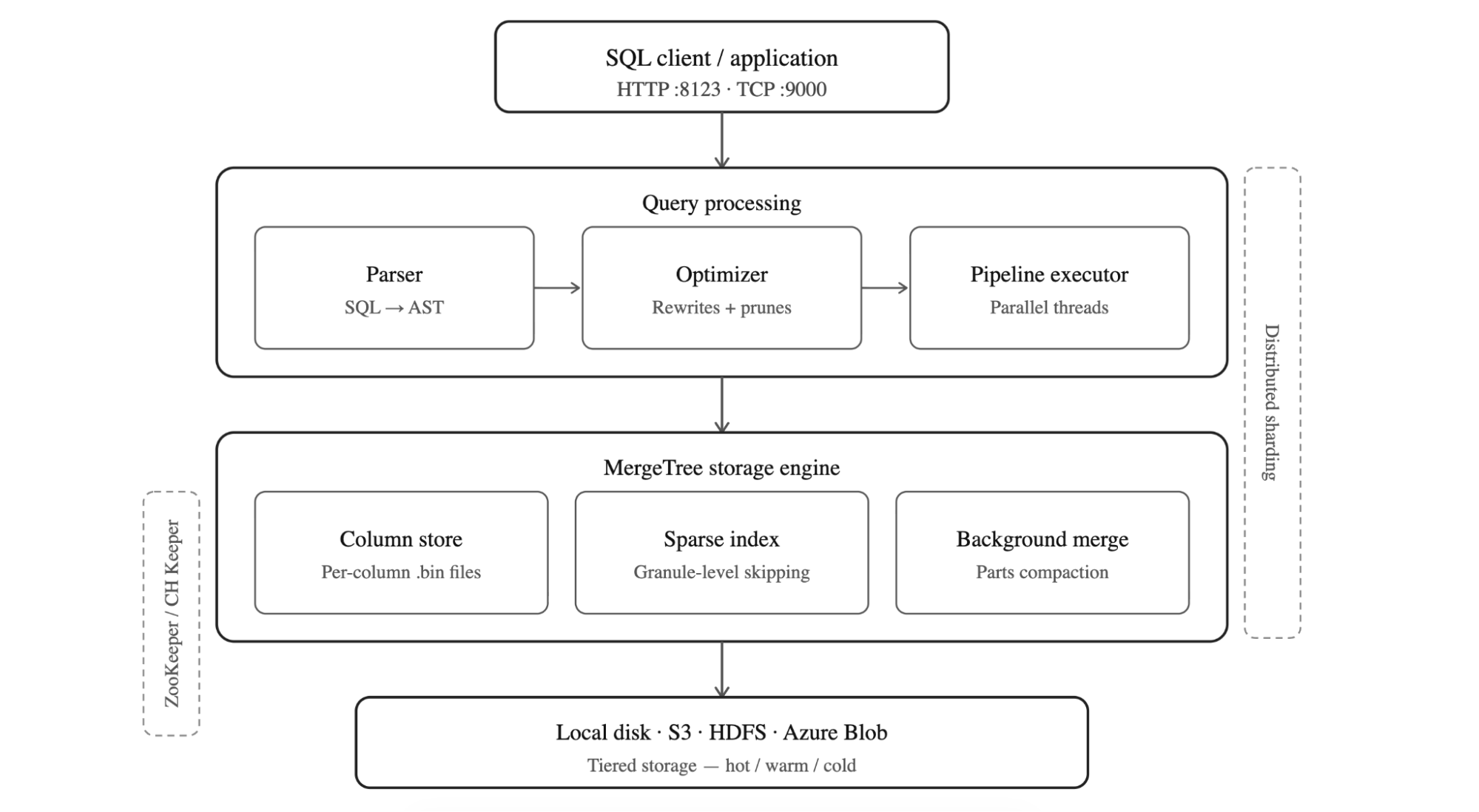
In November 2025, a team self-hosting Langfuse, an open-source LLM observability platform, on Kubernetes uploaded their ClickHouse image to AWS ECR as part of their production preparation. They found that the pipeline scanner had returned three critical vulnerabilities - not in ClickHouse, but in the base image. Their security team saw the findings and blocked...
13 Apr
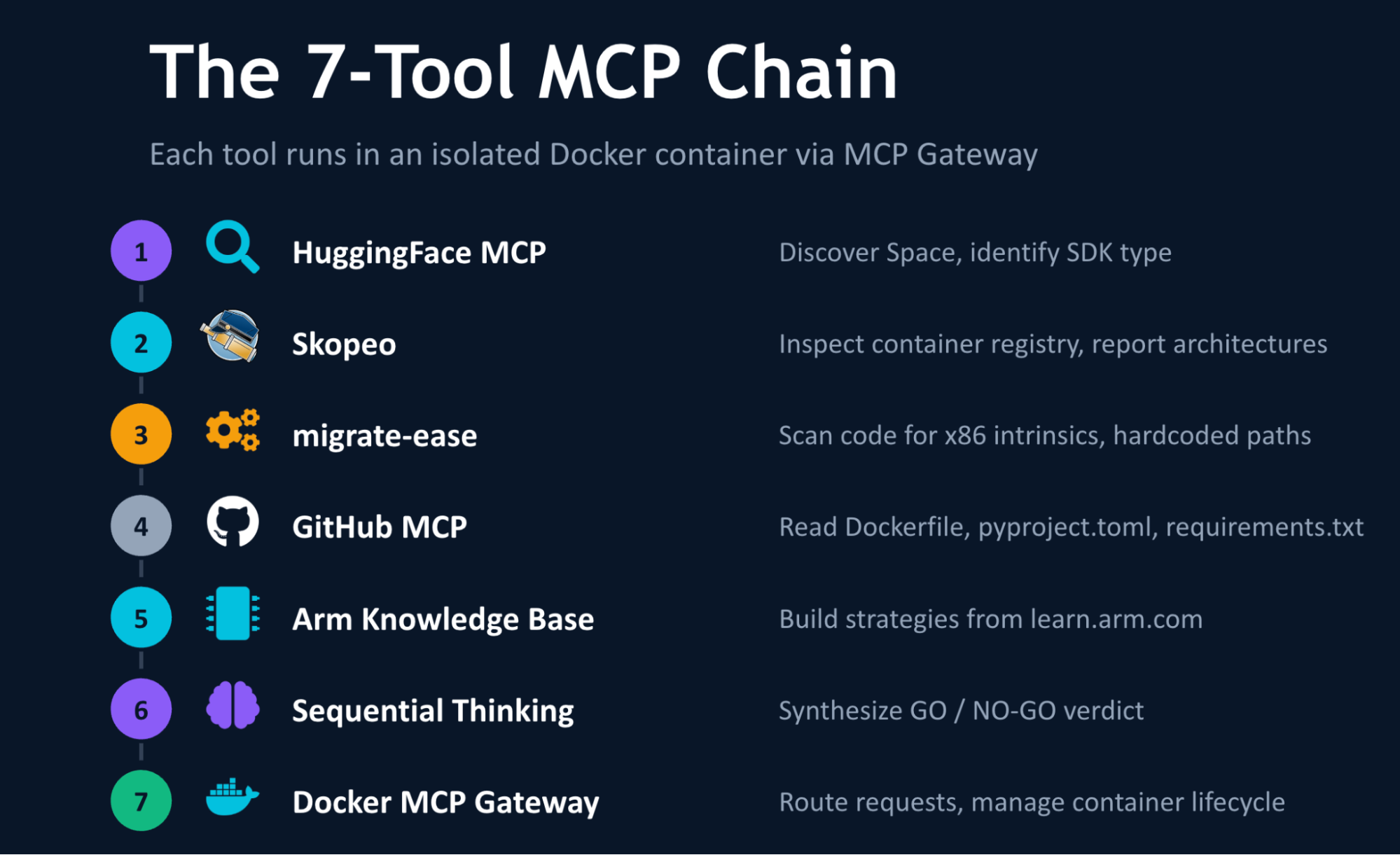
This post is a collaboration between Docker and Arm, demonstrating how Docker MCP Toolkit and the Arm MCP Server work together to scan Hugging Face Spaces for Arm64 Readiness. In our previous post, we walked through migrating a legacy C++ application with AVX2 intrinsics to Arm64 using Docker MCP Toolkit and the Arm MCP Server...
8 Apr
We recently announced the integration between Mend.io and Docker Hardened Images (DHI) provides a seamless framework for managing container security. By automatically distinguishing between base image vulnerabilities and application-layer risks, it uses VEX statements to differentiate between exploitable vulnerabilities and non-exploitable vulnerabilities, allowing your team to prioritize what really matters. TL;DR: The Developer Value Proposition...
13 Mar
Agents have enormous potential to power secure, personal AI assistants that automate complex tasks and workflows. Realizing that potential, however, requires strong isolation, a codebase that teams can easily inspect and understand, and clear control boundaries they can trust. Today, NanoClaw, a lightweight agent framework, is integrating with Docker Sandboxes to deliver secure-by-design agent execution....
5 Feb
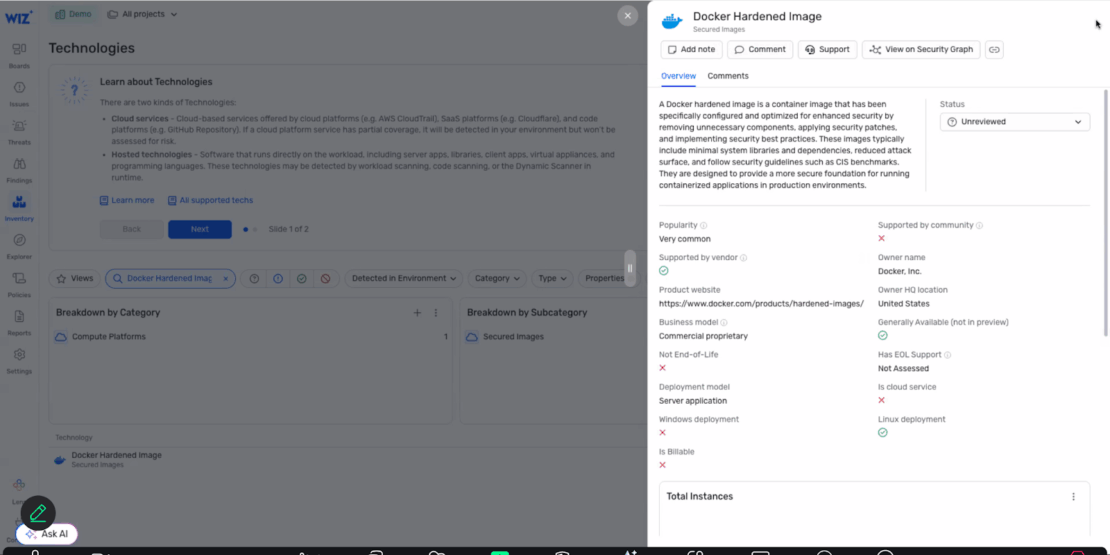
Open source components power most modern applications. A new generation of hardened container images can establish a more secure foundation, but even with hardened images, vulnerability scanners often return dozens or hundreds of CVEs with little prioritization. This noise slows teams down and complicates security triage. The VEX (Vulnerability Exploitability eXchange) standard addresses the problem...
23 Jan
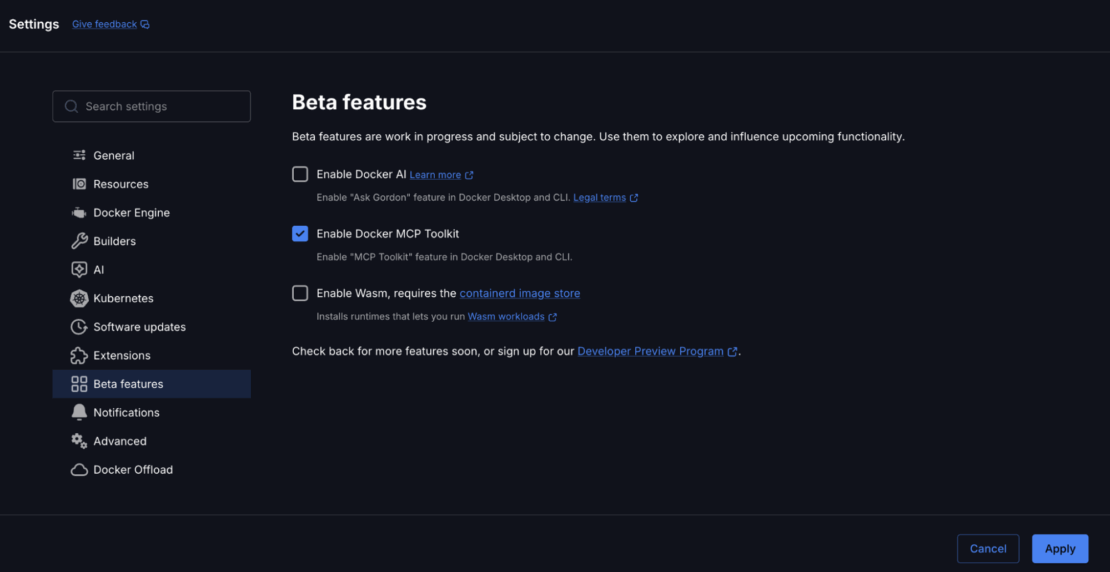
This post is a collaboration between Docker and Arm, demonstrating how Docker MCP Toolkit and the Arm MCP Server work together to simplify architecture migrations. Moving workloads from x86 to Arm64 architecture has become increasingly important. Organizations seek to reduce cloud costs and improve performance. AWS Graviton, Azure Cobalt, and Google Cloud Axion have made...
15 Jan
We use GenAI in every facet of technology now - internal knowledge bases, customer support systems, and code review bots, to name just a few use cases. And in nearly every one of these, someone eventually asks: What stops the model from returning something the user shouldn’t see?” This is a roadblock that companies building...
14 Jan
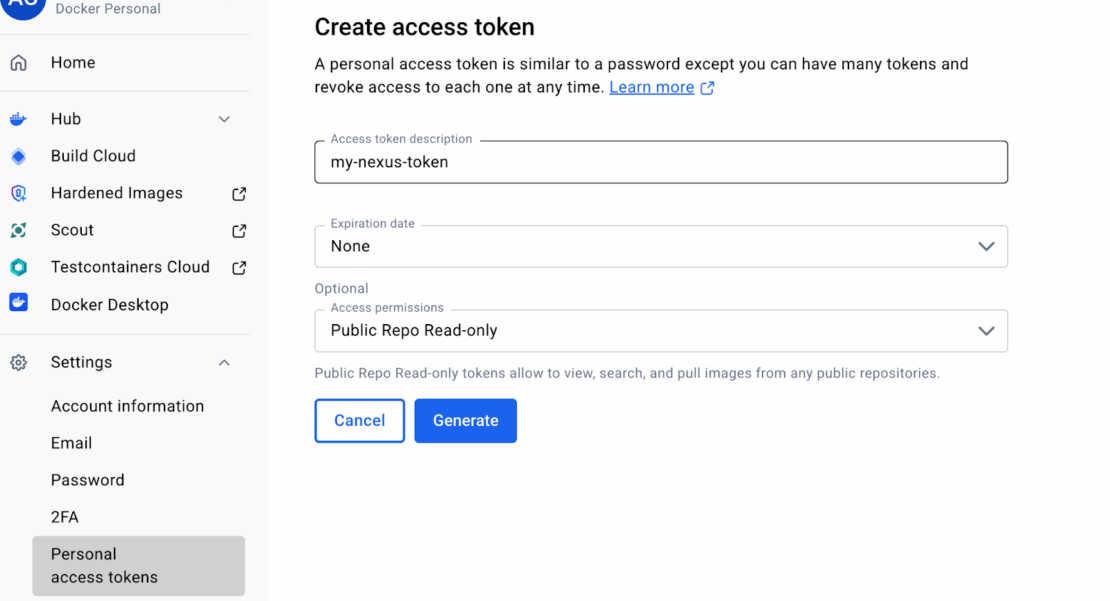
Why a “protected repo”? Modern teams depend on public container images, yet most environments lack a single, auditable control point for what gets pulled and when. This often leads to three operational challenges: Inconsistent or improvised base images that drift across teams and pipelines. Exposure to new CVEs when tags remain unchanged but upstream content...
5 Dec 2025
As agents become capable enough to write and refactor code, they should work natively inside the environments developers work in: editors. That’s why JetBrains and Zed are co-developing ACP, the Agent Client Protocol. ACP gives agents and editors a shared language, so any agent can read context, take actions, and respond intelligently without bespoke wiring...