We’re thrilled to announce the general availability of Valkey v8.1 in Redis OSS compatible Heroku Key-Value Store. This isn’t just an incremental update; it’s a significant leap forward, bringing enhanced performance and greater efficiency. To add to this excitement, we’re bringing powerful new module capabilities to v8.1, with Valkey Bloom and ValkeyJSON. For years, Heroku […] The post Heroku Key-Value…
#heroku key-value store
6 posts
2 Jul 2025
27 Jun 2018

Over the past few weeks, Heroku proactively updated our entire Redis fleet with a version of Redis not vulnerable to CVE-2018-11218. This was an embargoed vulnerability, so we did this work without notifying our customers about the underlying cause. As always, our goal was to update all Heroku Redis instances well before the embargo expired. […] The post Rolling the…
13 Jun 2018
On May 10, 2018, we received notice about two critical vulnerabilities in Redis, both embargoed until this morning. Upon this notice, our Data Infrastructure team proceeded to patch all internal and customer databases in response to these vulnerabilities. As of today, all customer databases have been patched successfully. At Heroku, customer trust is our most […] The post An Update…
2 May 2017
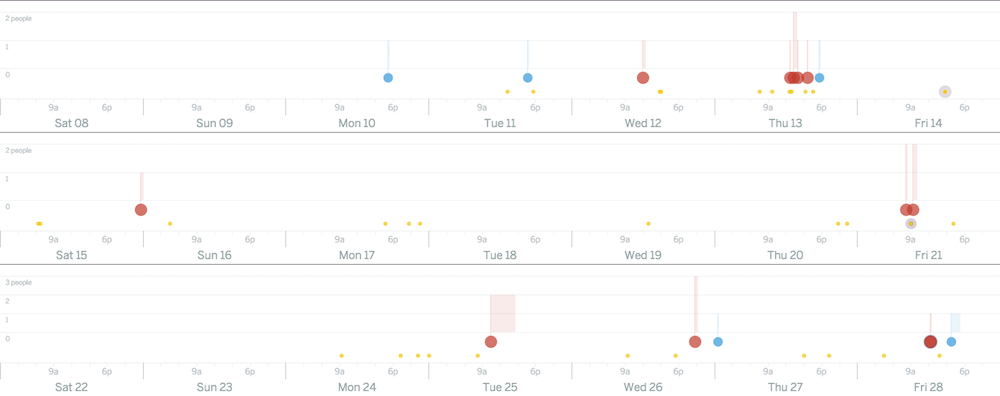
The Heroku Connect team ran into problems with existing task-scheduling libraries. Because of that, we wrote RedBeat, a Celery scheduler that stores scheduled tasks and runtime metadata in Redis. We’ve also open-sourced it so others can use it. Here is the story of why and how we created RedBeat. Why We Created the RedBeat Celery […] The post Hello RedBeat:…
25 Jun 2015
Today we’re pleased to announce general availability of Heroku Redis with a number of new features and a more robust developer experience. By giving developers a different data management primitive, we’re helping them meet the needs of building modern, scalable applications. The classic example of using multiple data stores in an application is the e-commerce […] The post Heroku Redis…
12 May 2015

Developers increasingly need a variety of datastores for their projects — no one database can serve all the needs of a modern, scalable application. For example, an e-commerce app might store its valuable transaction data in a relational database while user session information is stored in a key-value store because it changes often and needs […] The post Heroku Redis…