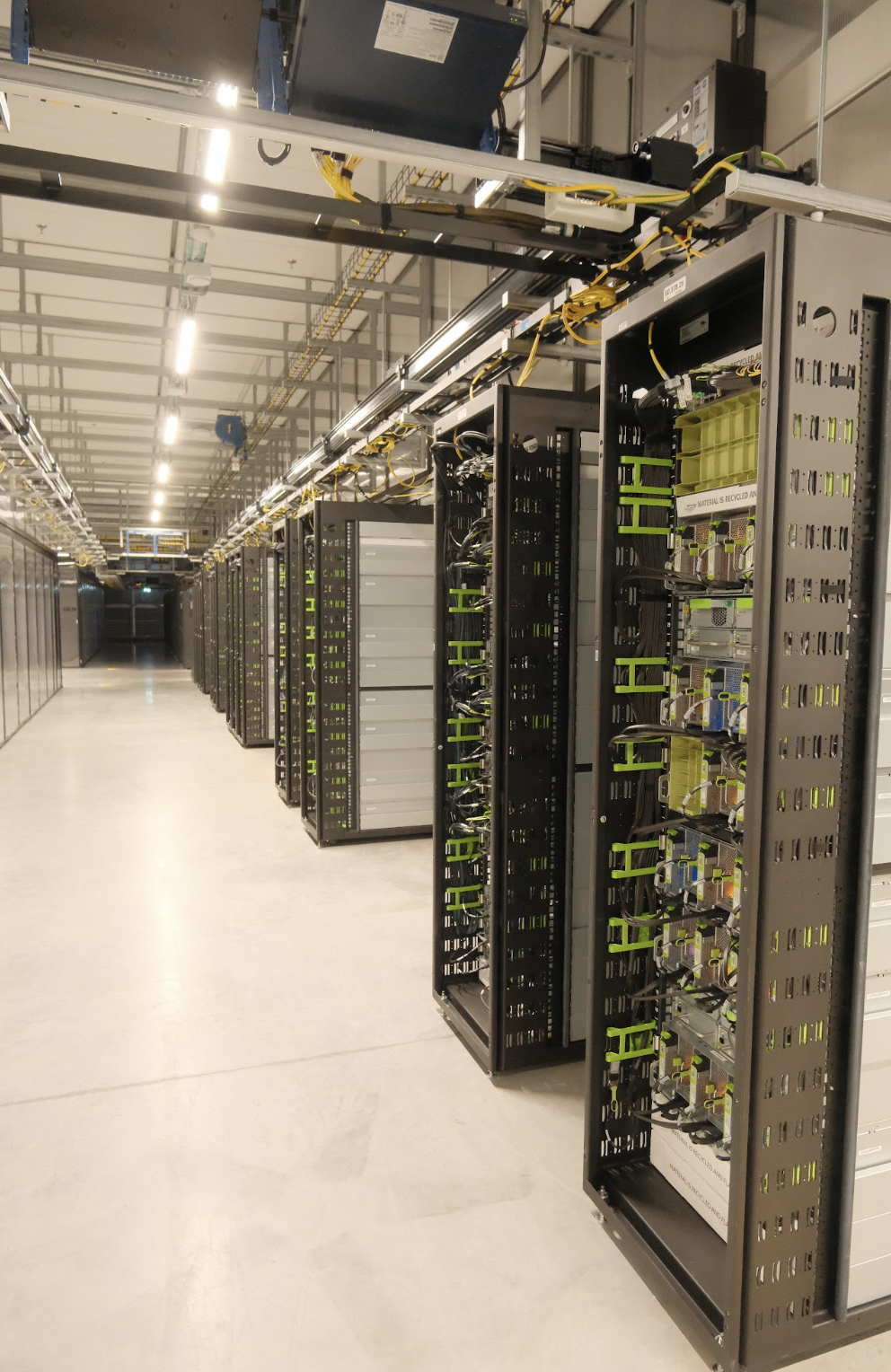
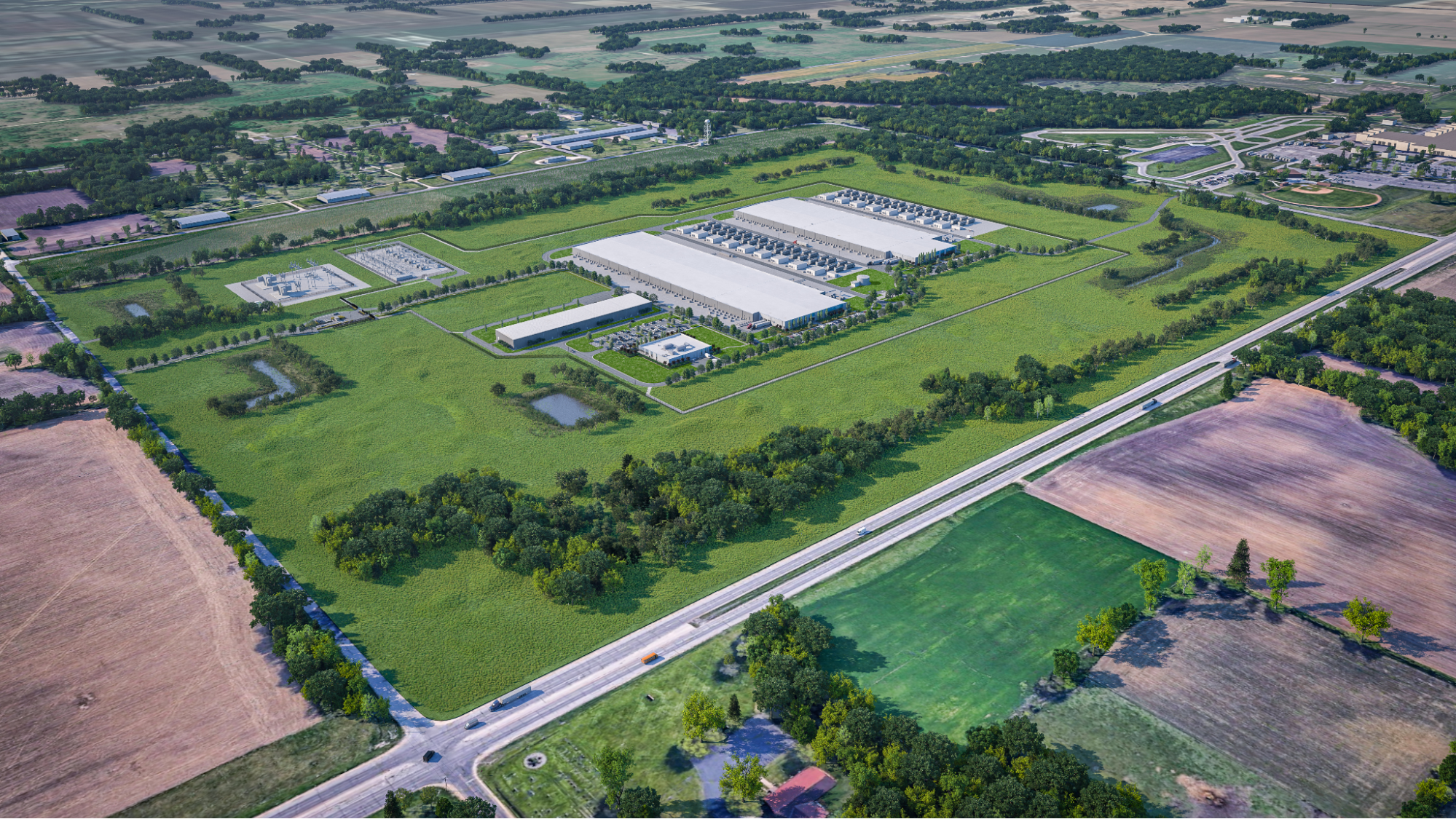
We’re introducing Instantaneous PowerLoss Storm, a new testing paradigm within Meta’s infrastructure for handling and mitigating instant or zero-notice power loss in our data centers. We’re sharing: how we built readiness to tolerate instant failures into our existing systems with defense-in-depth strategies; tradeoffs made in implementing it, and how we validated our readiness. Disaster preparedness [...] Read More... The post…
https://code.facebook.com/posts/ · 99 posts · history since 2024 · active
3 Jun
26 May
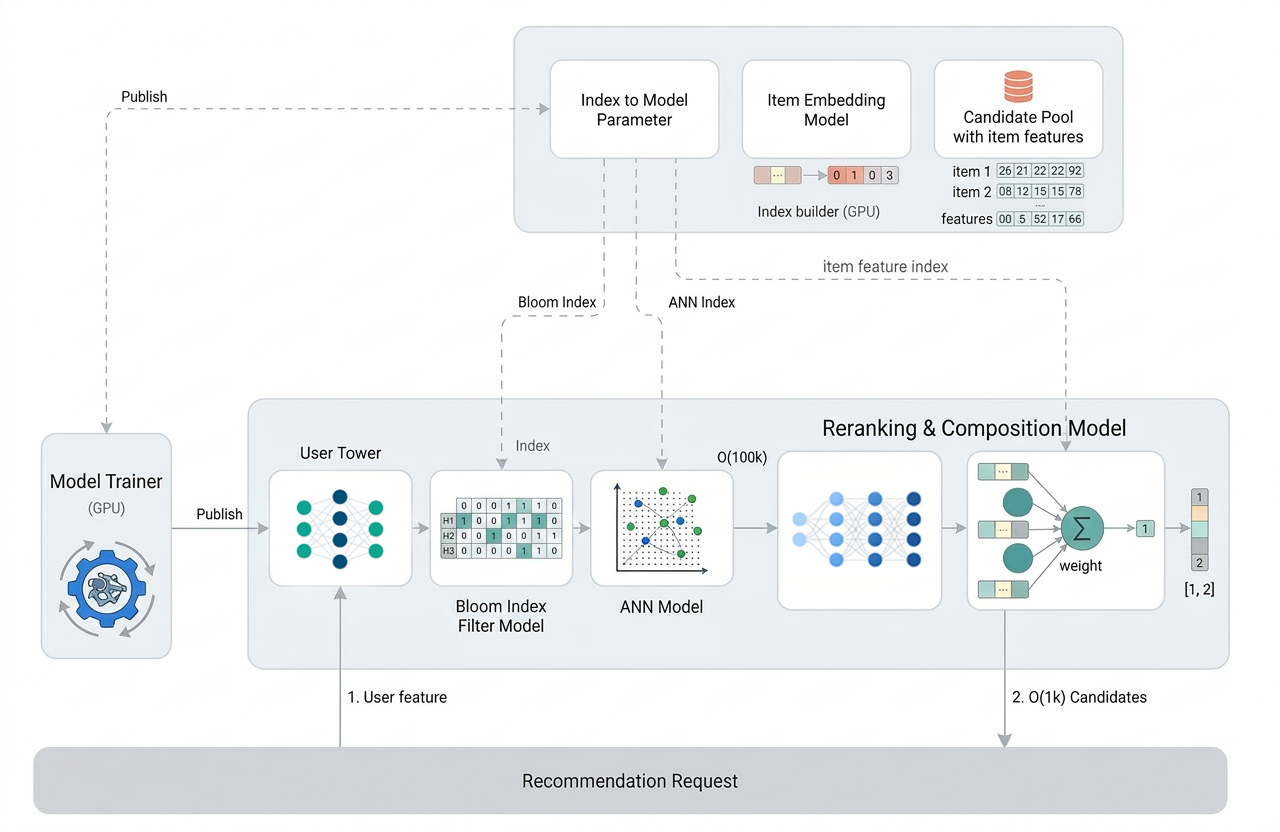
We’re introducing SilverTorch, a reimagining of recommendation systems that unifies all retrieval components for user generated content under a unified architecture. SilverTorch shows up to 23.7x higher throughput compared to the state-of-the-art approaches. It’s also showing 20.9x more compute cost efficiency compared to a CPU-based solution while also improving accuracy. Our research paper, “SilverTorch: A [...] Read More... The post…
13 May
On its face the new Friend Bubbles feature looks simple enough. It highlights Reels your friends have watched and reacted to. But sometimes the features that seem the most straightforward require the deepest engineering work. On this episode of the Meta Tech Podcast, Pascal Hartig chats with Subasree and Joseph, two software engineers from the Facebook [...] Read More... The…
12 May
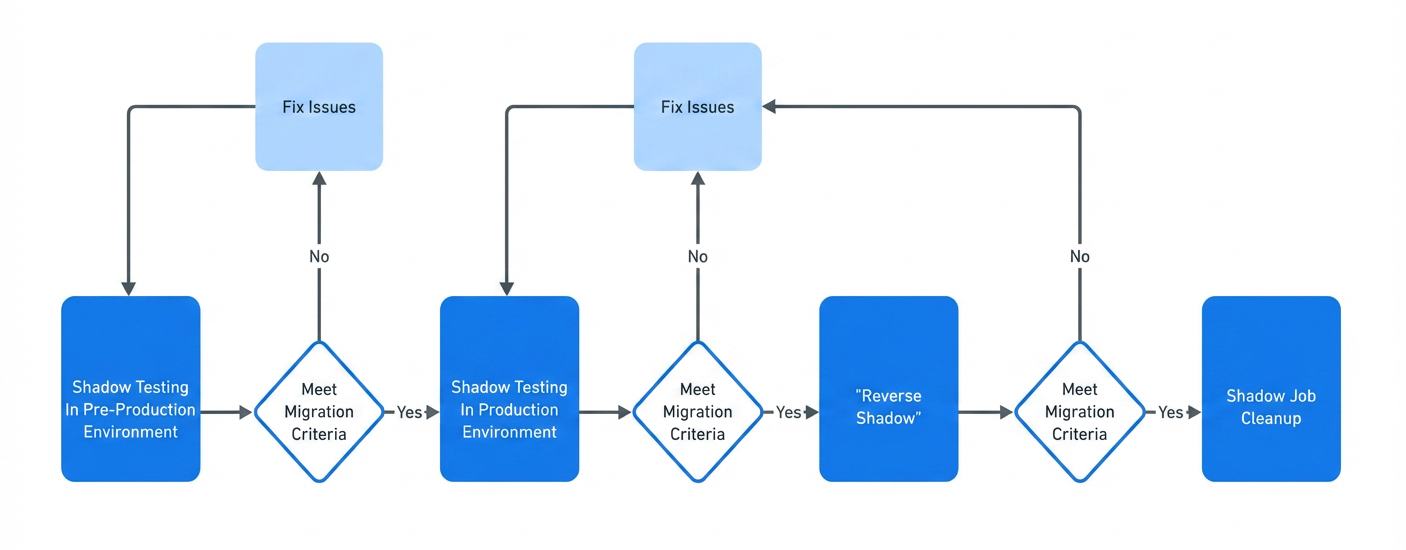
Meta’s data ingestion system, which our engineering teams leverage for up-to-date snapshots of the social graph, has recently undergone a significant revamp to enhance its reliability at scale. Moving from our legacy system to our new architecture required a large-scale migration of our entire data ingestion system. We’re sharing the solutions and strategies that enabled [...] Read More... The post…
11 May
We’re rolling out version 1.1 of Labyrinth, the encrypted storage system and protocol that secures messages and history on Messenger. Labyrinth 1.1 enhances the reliability of end-to-end encrypted backups with a new sub-protocol that helps messages survive the loss of a device, a switched device, and long gaps between sign-ins. Read our updated white paper, [...] Read More... The post…
1 May
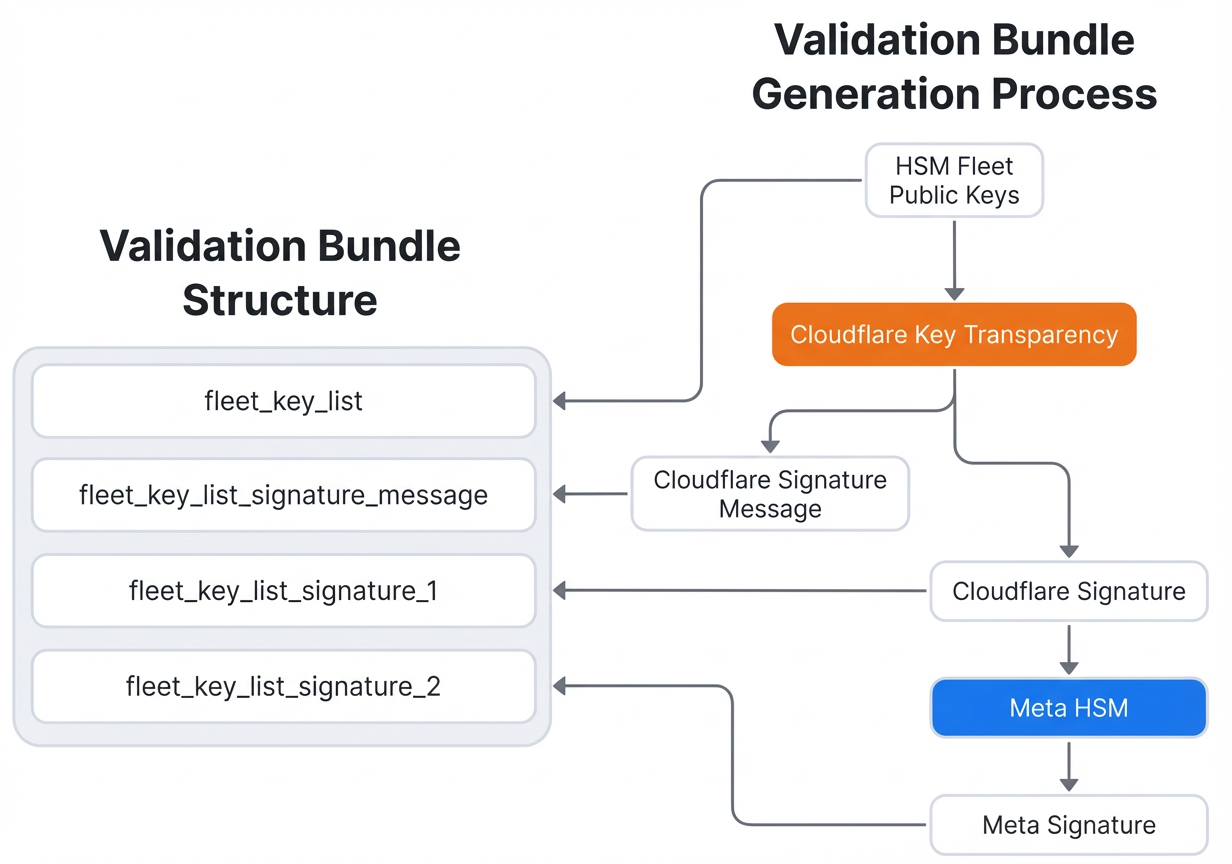
The HSM-based Backup Key Vault Meta’s HSM-based Backup Key Vault provides the foundation for end-to-end encrypted backups for WhatsApp and Messenger. The system allows people to protect their backed-up message history with a recovery code, ensuring that the recovery code is stored in tamper-resistant hardware security modules (HSMs) and is inaccessible to Meta, cloud storage [...] Read More... The post…
21 Apr

We’ve fundamentally transformed Facebook Groups Search to help people more reliably discover, sort through, and validate community content that’s most relevant to them. We’ve adopted a new hybrid retrieval architecture and implemented automated model-based evaluation to address the major friction points people experience when searching community content. Under this new framework, we’ve made tangible improvements [...] Read More... The post…
16 Apr
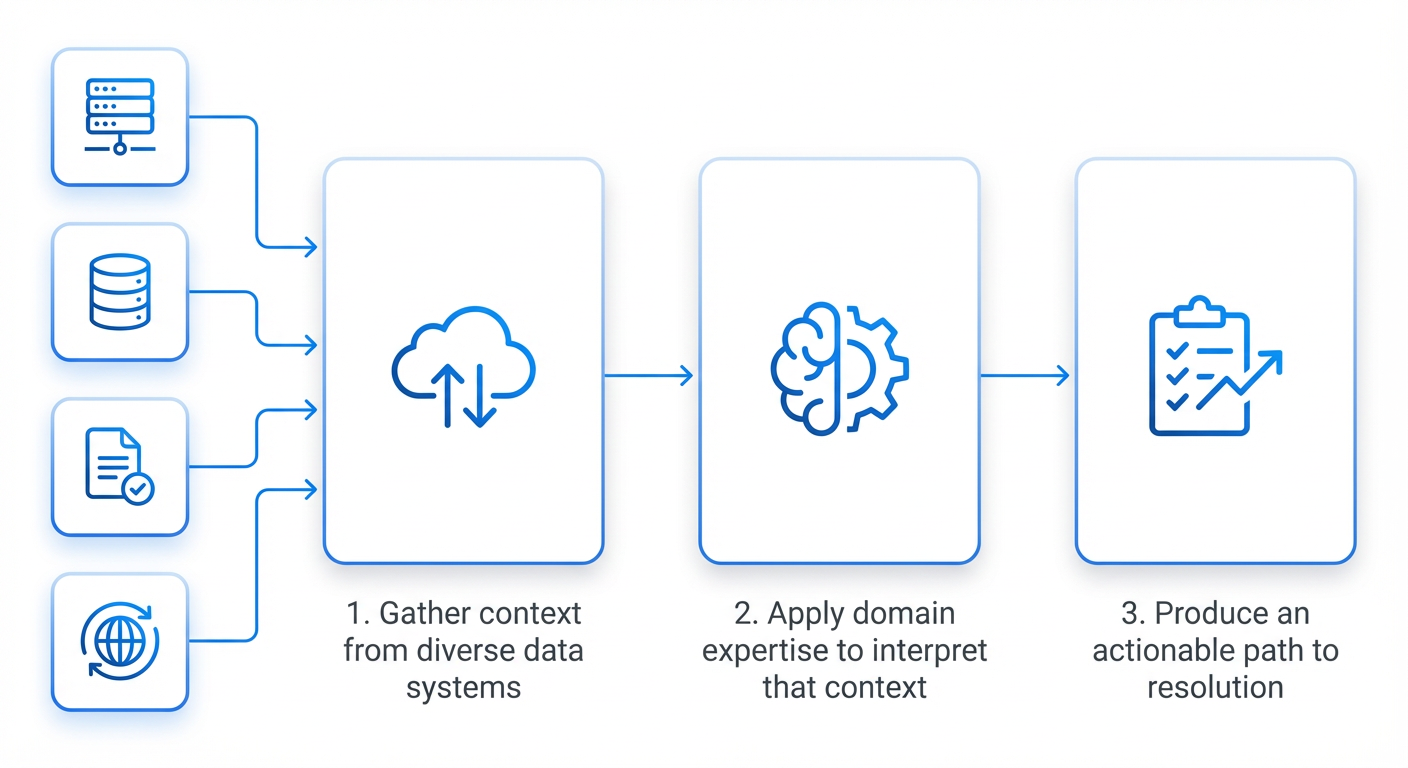
We’re sharing insights into Meta’s Capacity Efficiency Program, where we’ve built an AI agent platform that helps automate finding and fixing performance issues throughout our infrastructure. By leveraging encoded domain expertise across a unified, standardized tool interface these agents help save power and free up engineers’ time away from addressing performance issues to innovating on [...] Read More... The post…
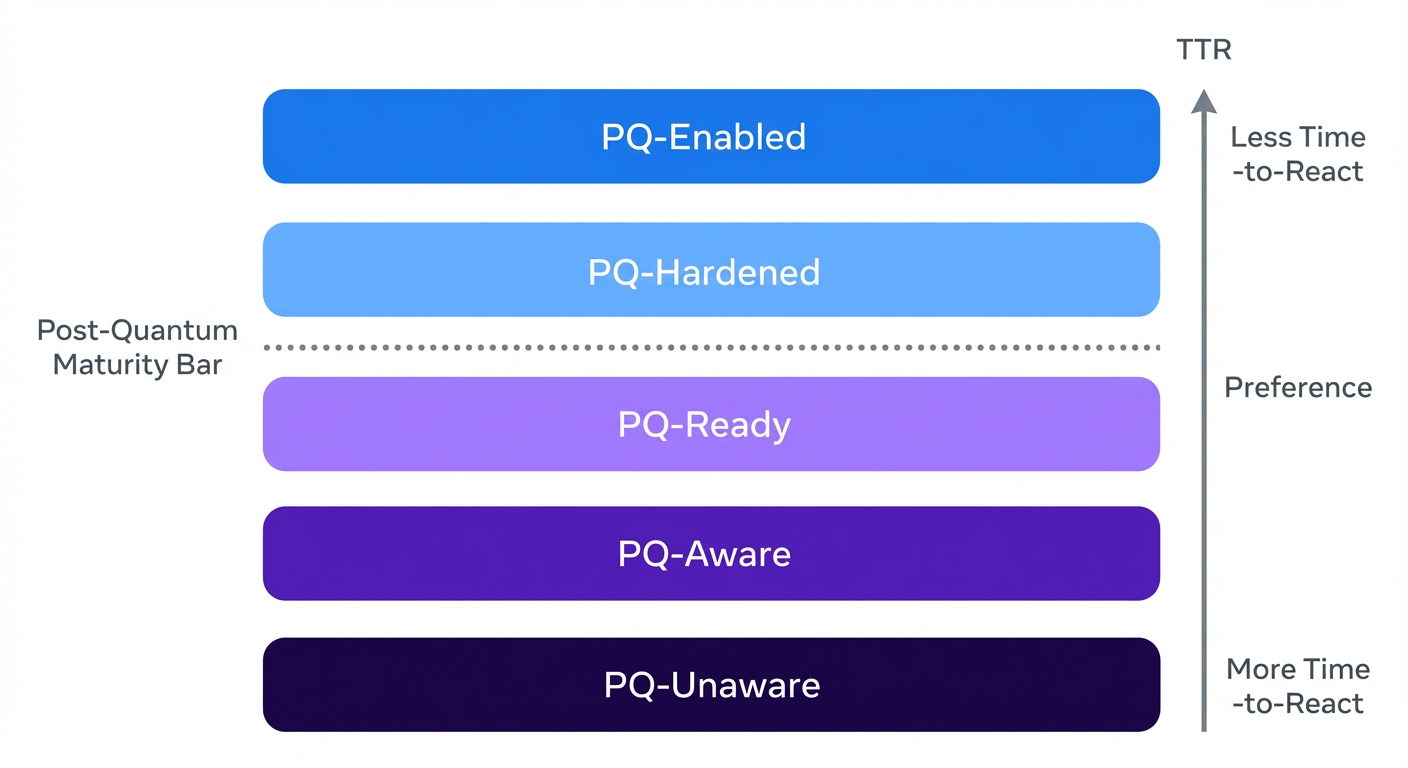
We’re sharing lessons learned from Meta’s post-quantum cryptography (PQC) migration to help other organizations strengthen their resilience as industry transitions to post-quantum cryptography standards. We’re proposing the idea of PQC Migration Levels to help teams within organizations manage the complexity of PQC migration for their various use cases. By outlining Meta’s approach to this work [...] Read More... The post…
9 Apr
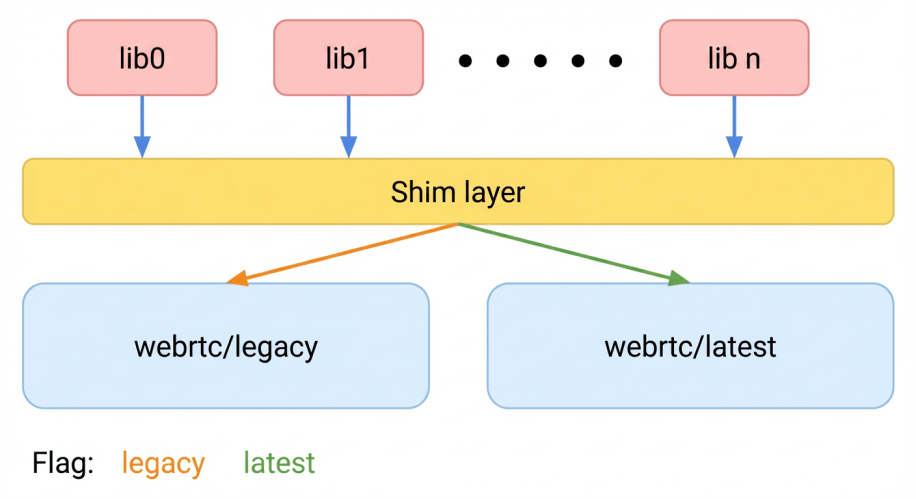
At Meta, WebRTC powers real-time audio and video across various platforms. But forking a large open-source project like WebRTC within our monorepo presents unique challenges – over time, an internal fork can drift behind upstream, cutting itself off from community upgrades. We’re sharing how we escaped this “forking trap” – from building a dual-stack architecture [...] Read More... The post…
8 Apr
As AI increases developer speed and productivity it also increases the need for safeguards. On this episode of the Meta Tech Podcast, Pascal Hartig sits down with Ishwari and Joe from Meta’s Configurations team to discuss how Meta makes config rollouts safe at scale. Listen in to learn about canarying and progressive rollouts, the health checks [...] Read More... The…
6 Apr
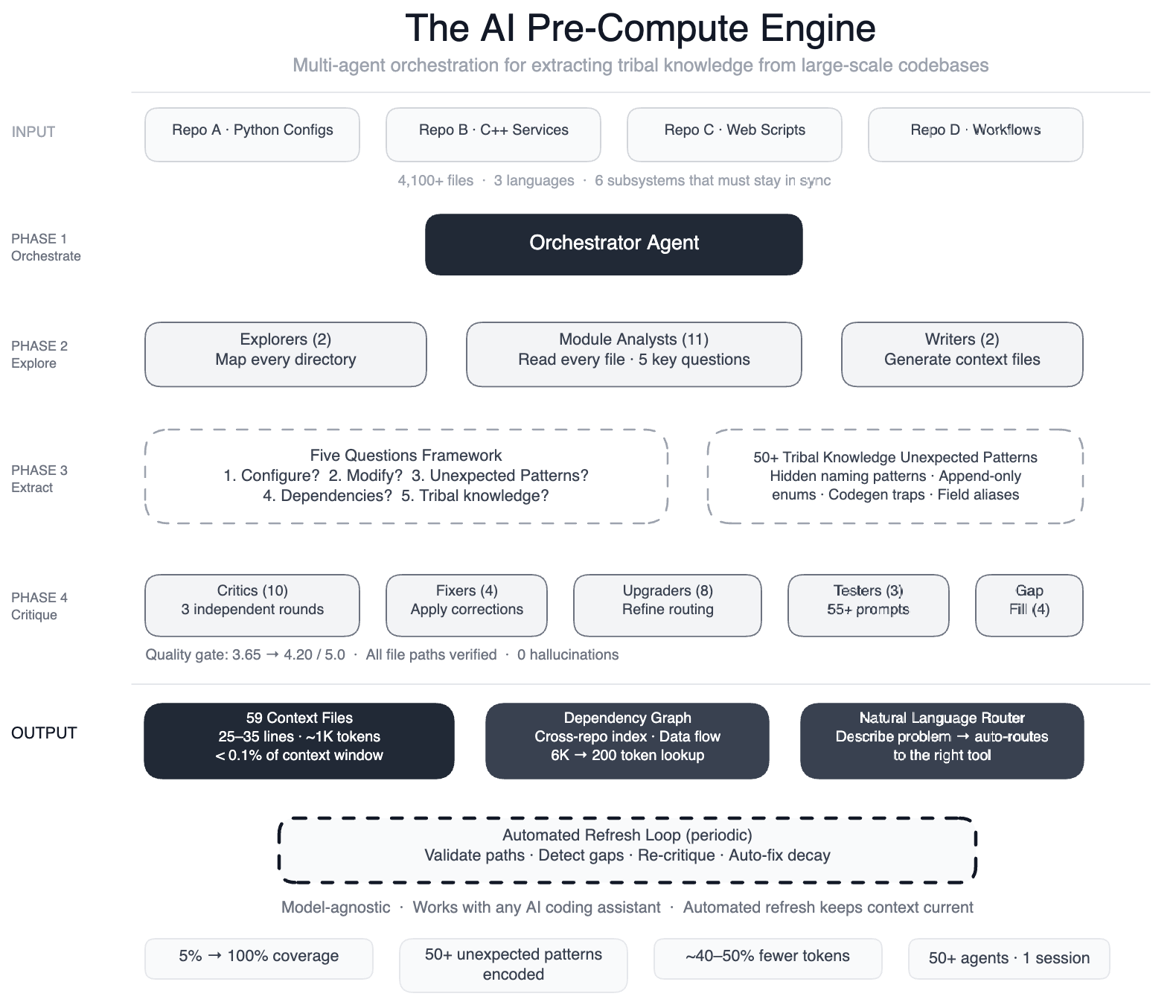
AI coding assistants are powerful but only as good as their understanding of your codebase. When we pointed AI agents at one of Meta’s large-scale data processing pipelines – spanning four repositories, three languages, and over 4,100 files – we quickly found that they weren’t making useful edits quickly enough. We fixed this by building [...] Read More... The post…
2 Apr
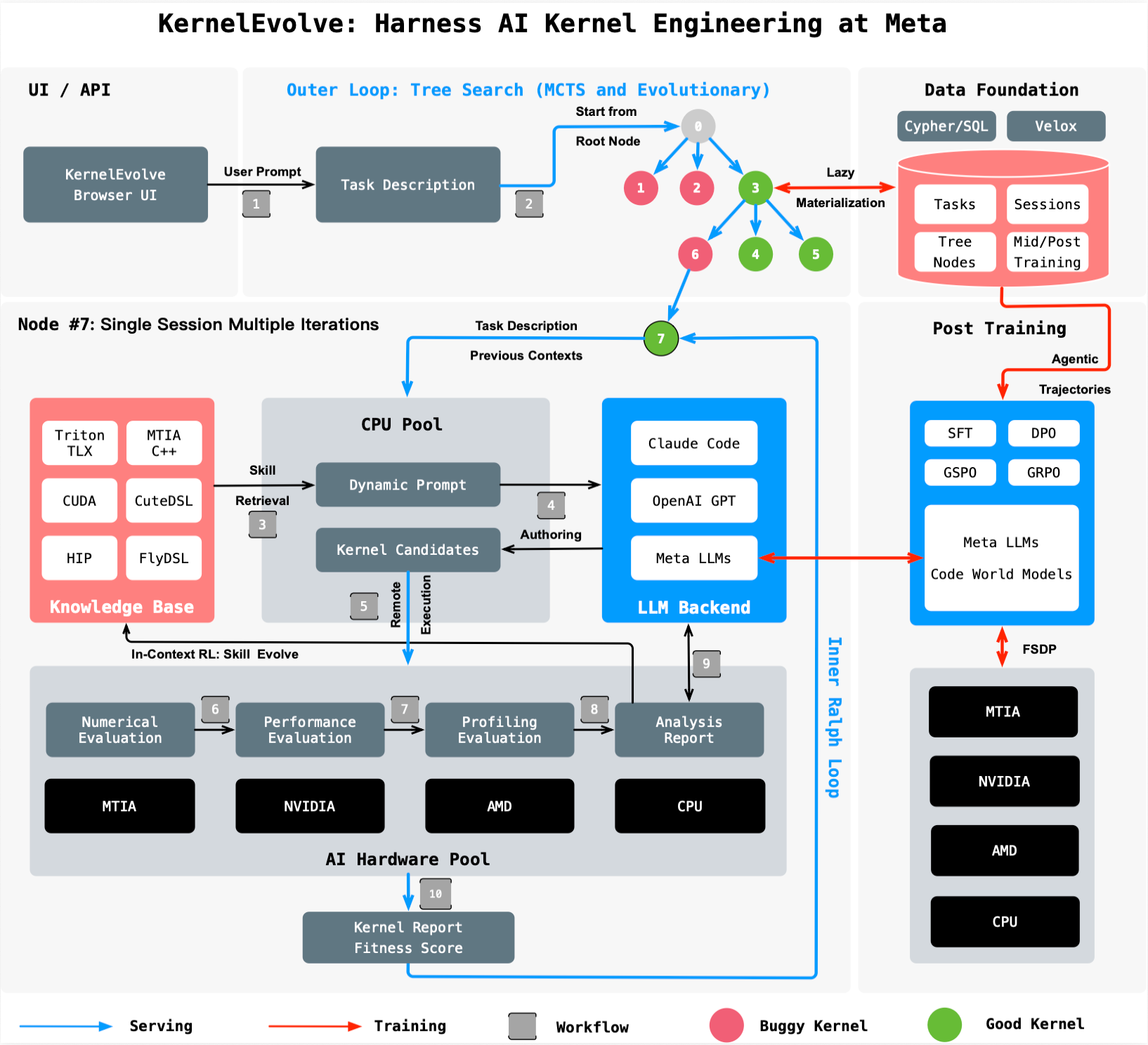
This is the second post in the Ranking Engineer Agent blog series exploring the autonomous AI capabilities accelerating Meta’s Ads Ranking innovation. The previous post introduced Ranking Engineer Agent’s ML exploration capability, which autonomously designs, executes, and analyzes ranking model experiments. This post covers how to optimize the low-level infrastructure that makes those models run [...] Read More... The post…
31 Mar
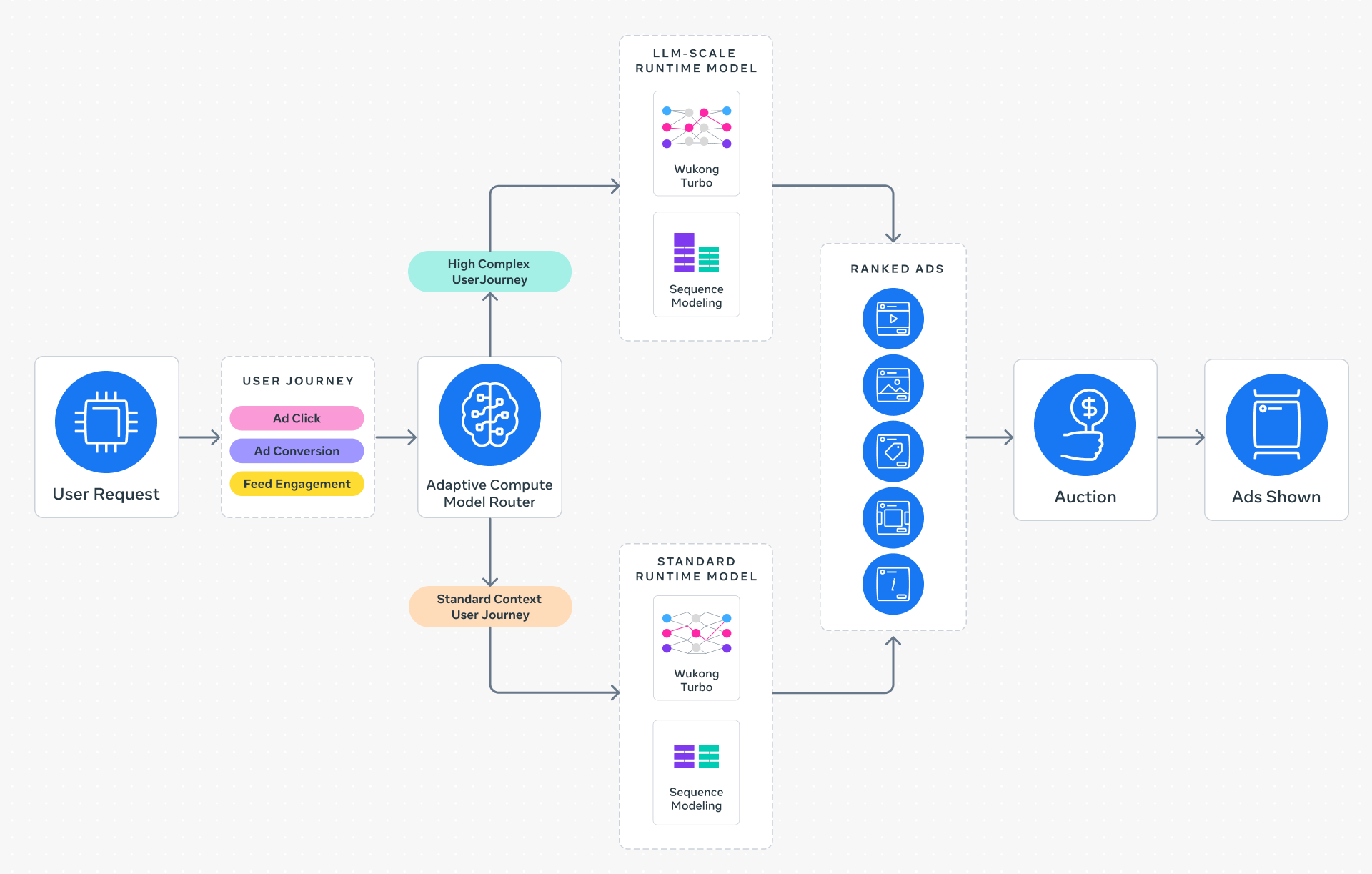
Meta continues to lead the industry in utilizing groundbreaking AI Recommendation Systems (RecSys) to deliver better experiences for people, and better results for advertisers. To reach the next frontier of performance, we are scaling Meta’s Ads Recommender runtime models to LLM-scale & complexity to further a deeper understanding of people’s interests and intent. This increase [...] Read More... The post…
30 Mar
Meta is continuing its long-term roadmap to help the construction industry leverage AI to produce high-quality and more sustainable concrete mixes, as well as those exclusively produced in the United States. Concurrent with the 2026 American Concrete Institute (ACI) Spring Convention, Meta is releasing a new AI model for designing concrete mixes – Bayesian Optimization [...] Read More... The post…
18 Mar

Friend bubbles in Facebook Reels highlight Reels your friends have liked or reacted to, helping you discover new content and making it easier to connect over shared interests. This article explains the technical architecture behind friend bubbles, including how machine learning estimates relationship strength and ranks content your friends have interacted with to create more [...] Read More... The post…
17 Mar
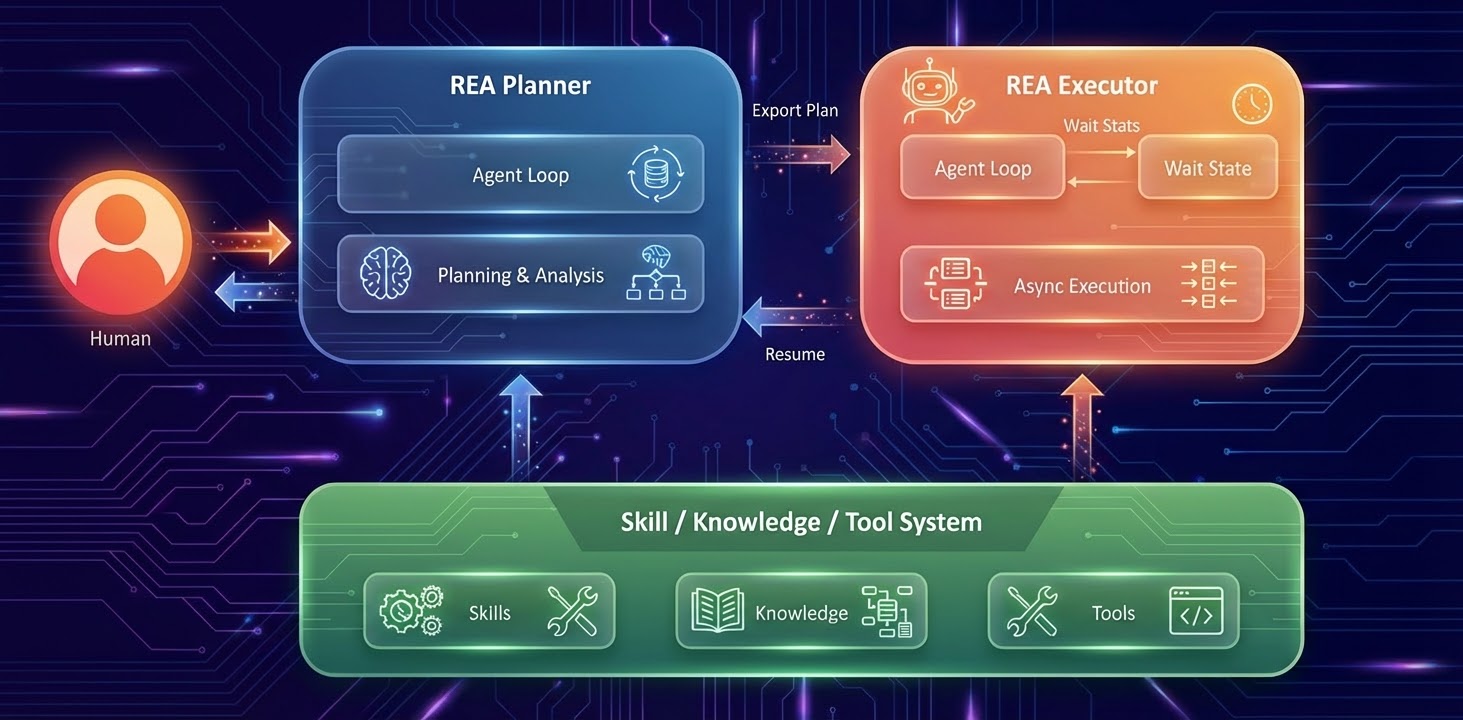
Meta’s Ranking Engineer Agent (REA) autonomously executes key steps across the end-to-end machine learning (ML) lifecycle for ads ranking models. This post covers REA’s ML experimentation capabilities: autonomously generating hypotheses, launching training jobs, debugging failures, and iterating on results. Future posts will cover additional REA capabilities. REA reduces the need for manual intervention. It manages [...] Read More... The post…
13 Mar
Even seemingly simple engineering tasks — like updating an API — can become monumental undertakings when you’re dealing with millions of lines of code and thousands of engineers, especially if the changes are security-related. Nowhere is this more apparent than in mobile security, where a single class of vulnerability can be replicated across hundreds of [...] Read More... The post…
9 Mar
We’re sharing the technical details behind how Advanced Browsing Protection (ABP) in Messenger protects the privacy of the links clicked on within chats while still warning people about malicious links. We hope that this post has helped to illuminate some of the engineering challenges and infrastructure components involved for providing this feature for our users. [...] Read More... The post…
2 Mar
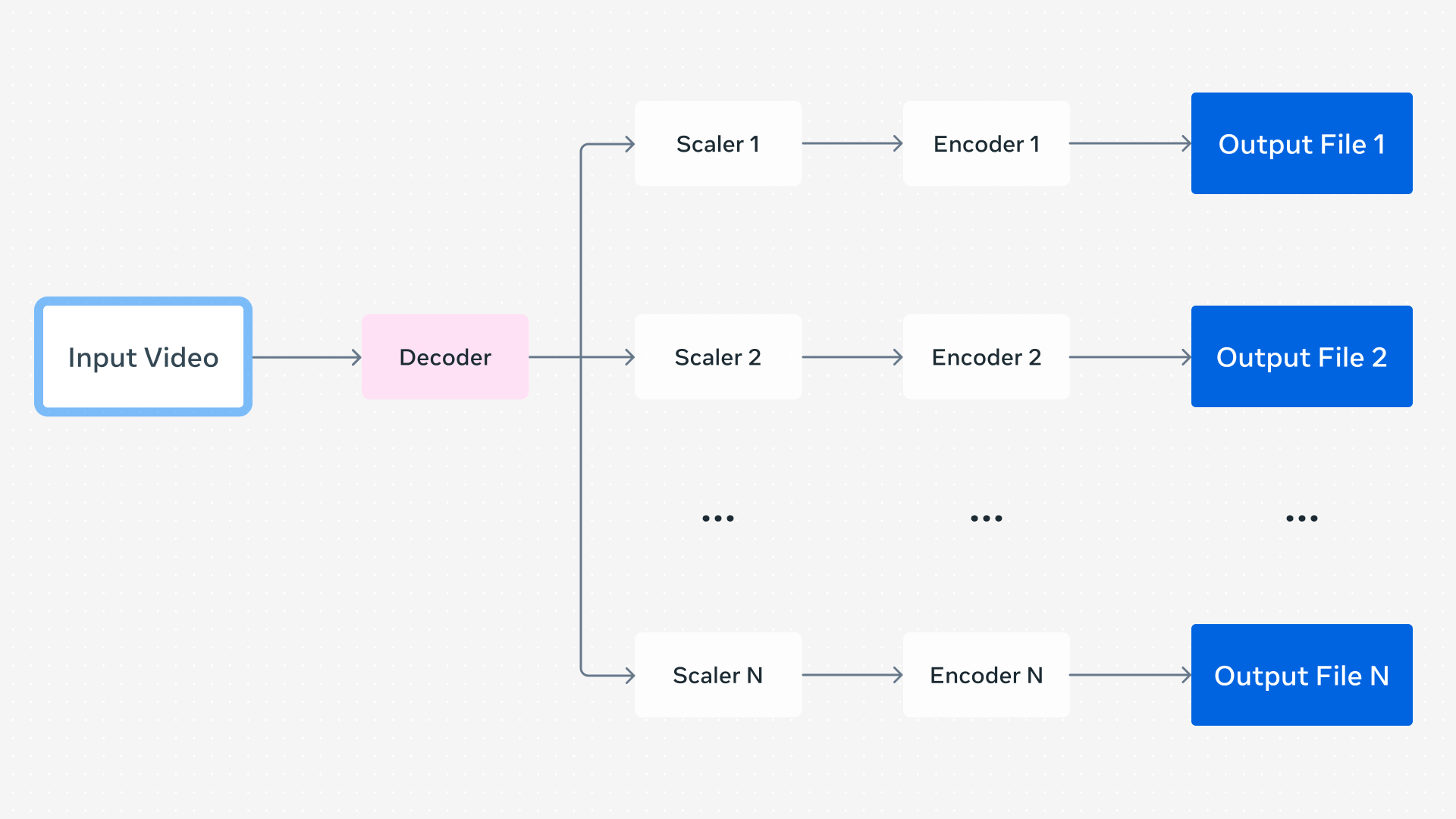
FFmpeg is truly a multi-tool for media processing. As an industry-standard tool it supports a wide variety of audio and video codecs and container formats. It can also orchestrate complex chains of filters for media editing and manipulation. For the people who use our apps, FFmpeg plays an important role in enabling new video experiences [...] Read More... The post…
Meta recognizes the long-term benefits of jemalloc, a high-performance memory allocator, in its software infrastructure. We are renewing focus on jemalloc, aiming to reduce maintenance needs and modernize the codebase while continuing to evolve the allocator to adapt to the latest hardware and workloads. We are committed to continuing to develop jemalloc development with the [...] Read More... The post…
24 Feb
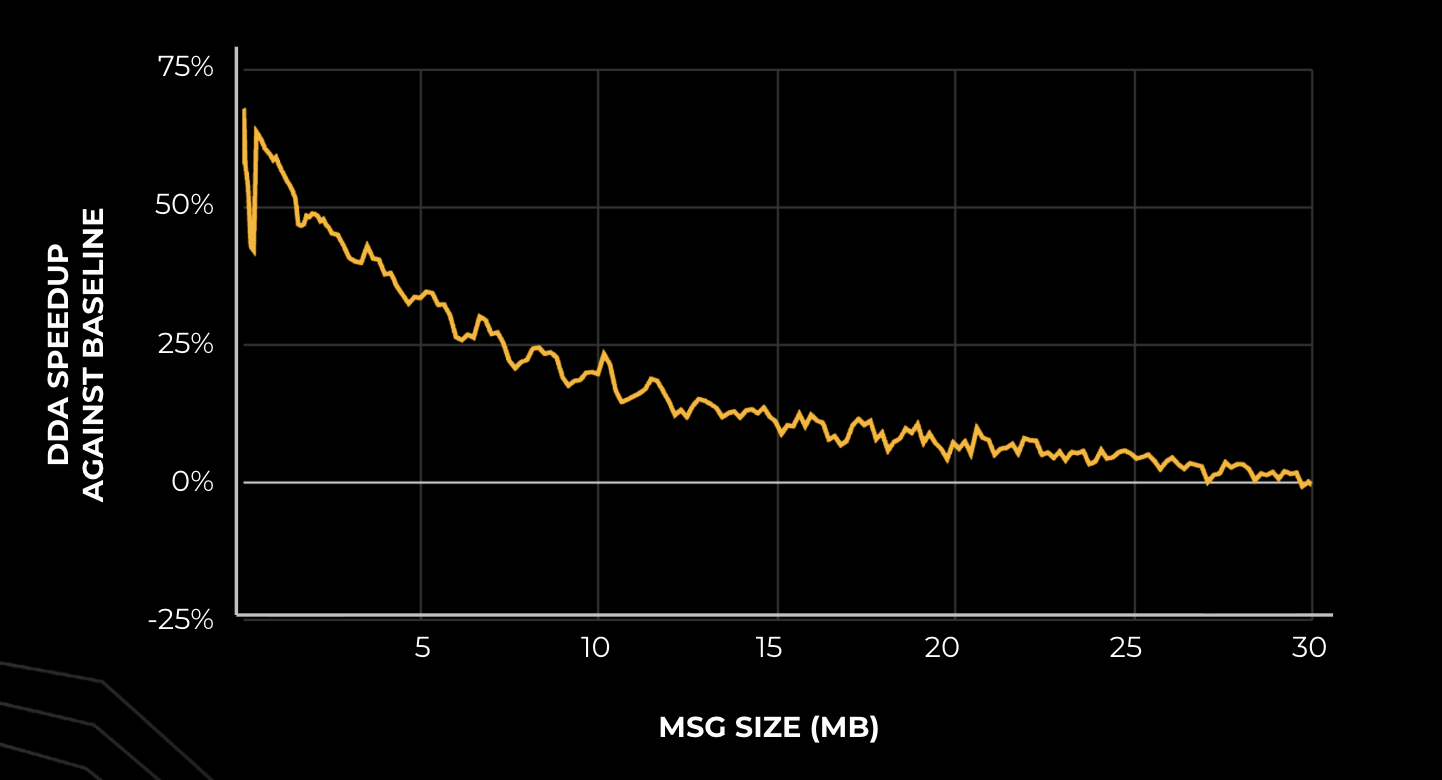
We are open-sourcing the initial version of RCCLX – an enhanced version of RCCL that we developed and tested on Meta’s internal workloads. RCCLX is fully integrated with Torchcomms and aims to empower researchers and developers to accelerate innovation, regardless of their chosen backend. Communication patterns for AI models are constantly evolving, as are hardware [...] Read More... The post…
11 Feb
WHAT IT IS The rise of agentic software development means code is being written, reviewed, and shipped faster than ever before across the entire industry. It also means that testing frameworks need to evolve for this rapidly changing landscape. Faster development demands faster testing that can catch bugs as they land in a codebase, without [...] Read More... The post…
9 Feb
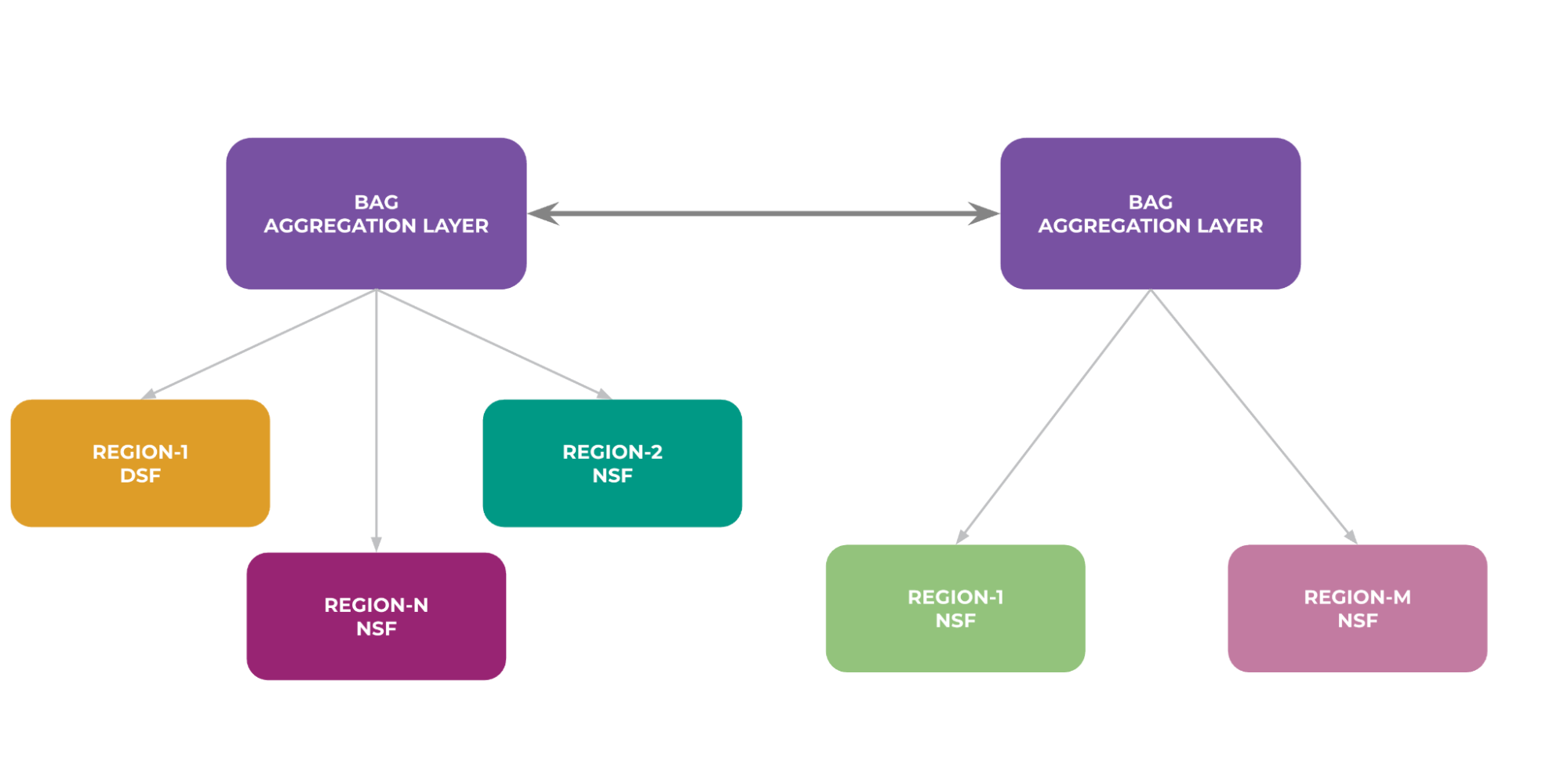
We’re sharing details of the role backend aggregation (BAG) plays in building Meta’s gigawatt-scale AI clusters like Prometheus. BAG allows us to seamlessly connect thousands of GPUs across multiple data centers and regions. Our BAG implementation is connecting two different network fabrics – Disaggregated Schedule Fabric (DSF) and Non-Scheduled Fabric (NSF). Once it’s complete our AI [...] Read More... The…
4 Feb
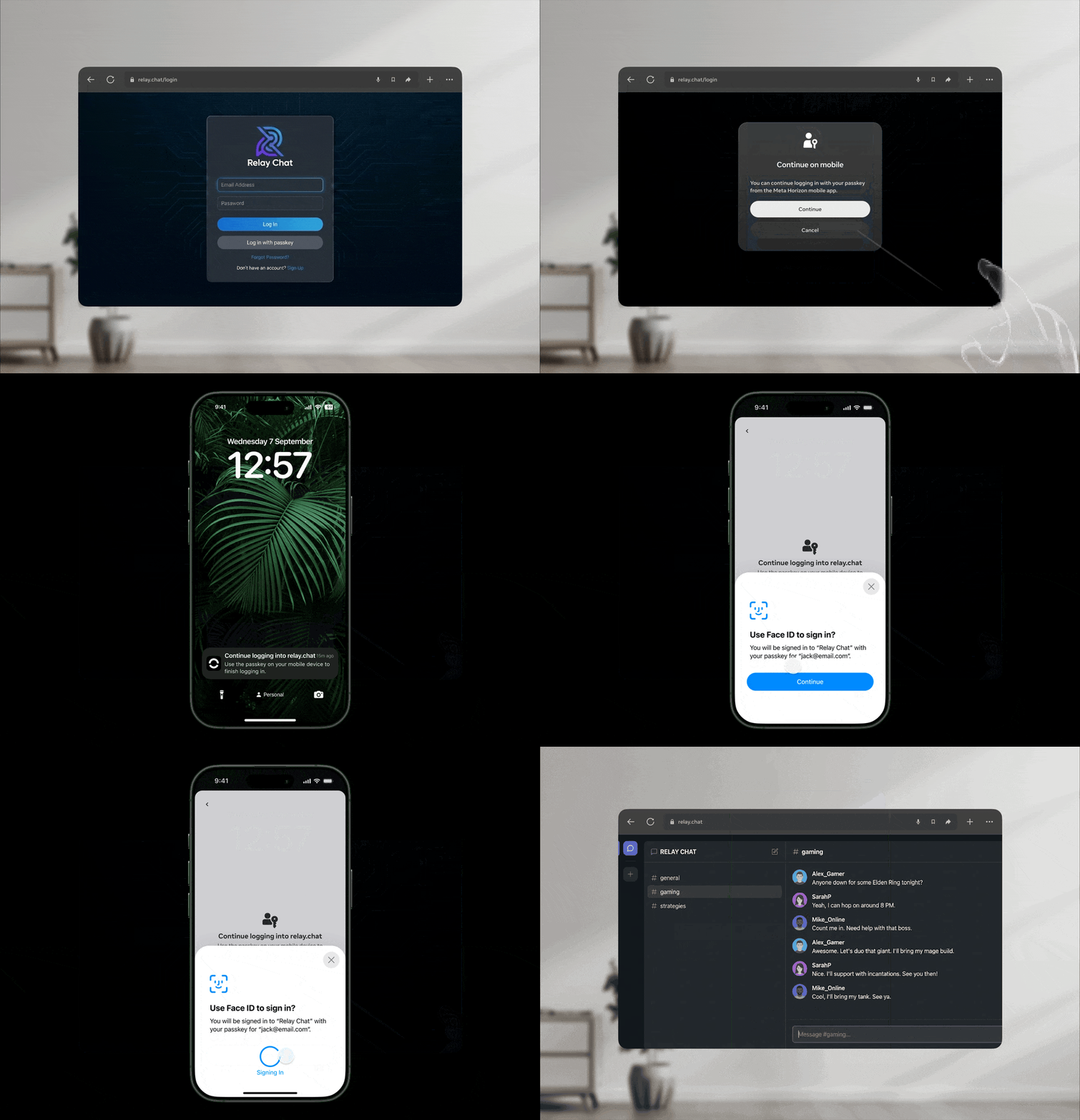
We’re sharing a novel approach to enabling cross-device passkey authentication for devices with inaccessible displays (like XR devices). Our approach bypasses the use of QR codes and enables cross-device authentication without the need for an on-device display, while still complying with all trust and proximity requirements. This approach builds on work done by the FIDO [...] Read More... The post…
27 Jan
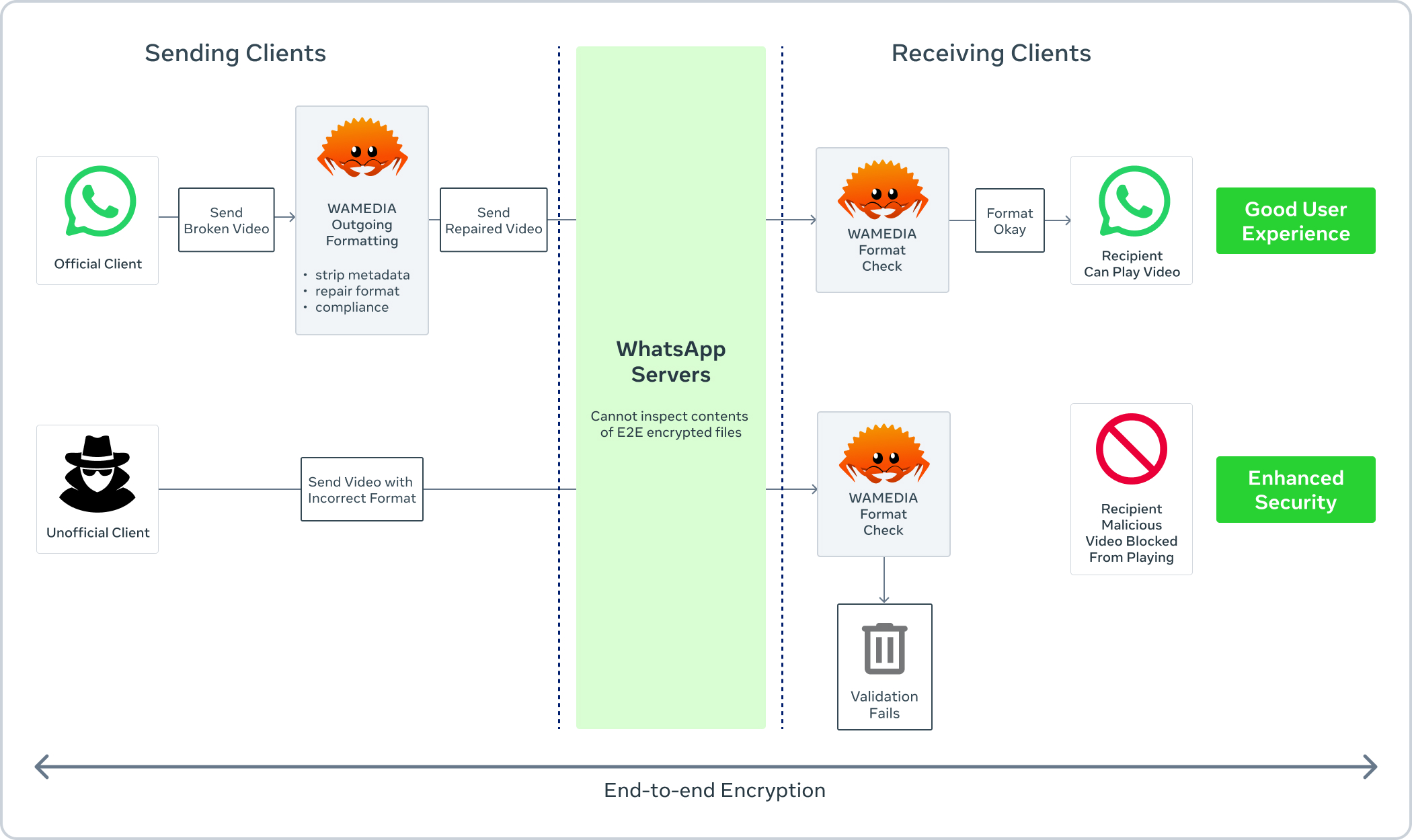
WhatsApp has adopted and rolled out a new layer of security for users – built with Rust – as part of its effort to harden defenses against malware threats. WhatsApp’s experience creating and distributing our media consistency library in Rust to billions of devices and browsers proves Rust is production ready at a global scale. [...] Read More... The post…
14 Jan
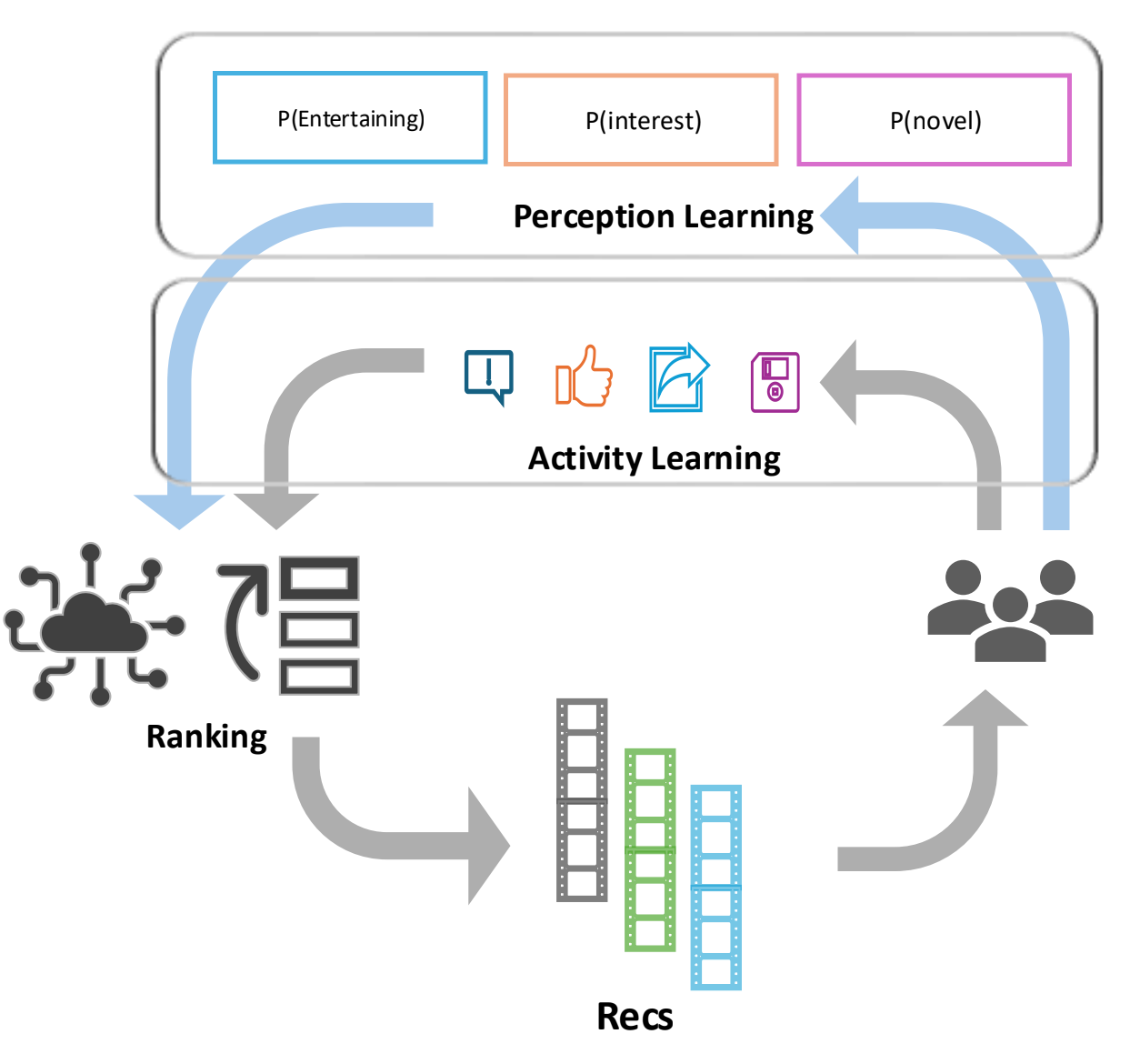
We’ve improved personalized video recommendations on Facebook Reels by moving beyond metrics such as likes and watch time and directly leveraging user feedback. Our new User True Interest Survey (UTIS) model, now helps surface more niche, high-quality content and boosts engagement, retention, and satisfaction. We’re doubling down on personalization, tackling challenges like sparse user data [...] Read More... The post…
12 Jan
Build a large enough website with a large enough codebase, and you’ll eventually find that CSS presents challenges at scale. It’s no different at Meta, which is why we open-sourced StyleX, a solution for CSS at scale. StyleX combines the ergonomics of CSS-in-JS with the performance of static CSS. It allows atomic styling of components [...] Read More... The post…
22 Dec 2025
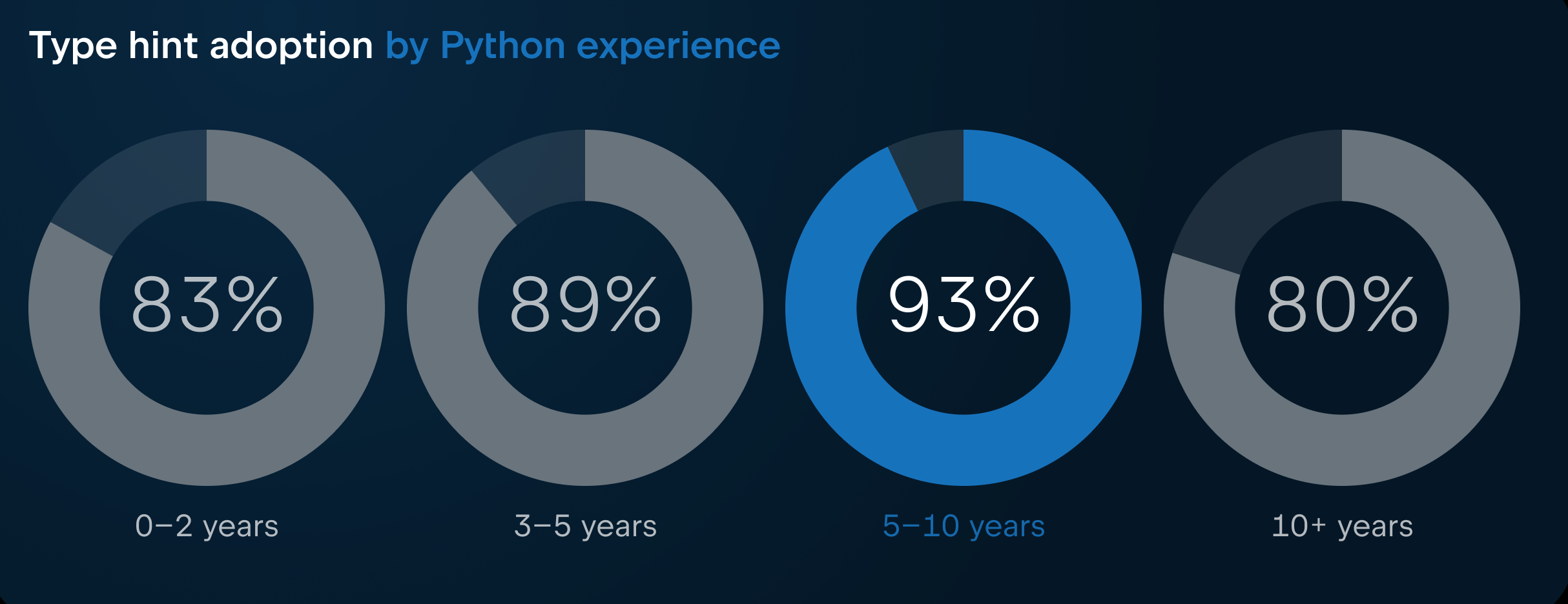
The 2025 Typed Python Survey, conducted by contributors from JetBrains, Meta, and the broader Python typing community, offers a comprehensive look at the current state of Python’s type system and developer tooling. With 1,241 responses (a 15% increase from last year), the survey captures the evolving sentiment, challenges, and opportunities around Python typing in the [...] Read More... The post…
19 Dec 2025

Incident investigation can be a daunting task in today’s digital landscape, where large-scale systems comprise numerous interconnected components and dependencies DrP is a root cause analysis (RCA) platform, designed by Meta, to programmatically automate the investigation process, significantly reducing the mean time to resolve (MTTR) for incidents and alleviating on-call toil Today, DrP is used [...] Read More... The post…
17 Dec 2025
We’re going behind the scenes of the Meta Ray-Ban Display, Meta’s most advanced AI glasses yet. In a previous episode we met the team behind the Meta Neural Band, the EMG wristband packaged with the Ray-Ban Display. Now we’re delving into the glasses themselves. Kenan and Emanuel, from Meta’s Wearables org, join Pascal Hartig on [...] Read More... The post…
15 Dec 2025

Meta’s secure-by-default frameworks wrap potentially unsafe OS and third-party functions, making security the default while preserving developer speed and usability. These frameworks are designed to closely mirror existing APIs, rely on public and stable interfaces, and maximize developer adoption by minimizing friction and complexity. Generative AI and automation accelerate the adoption of secure frameworks at [...] Read More... The post…
21 Nov 2025
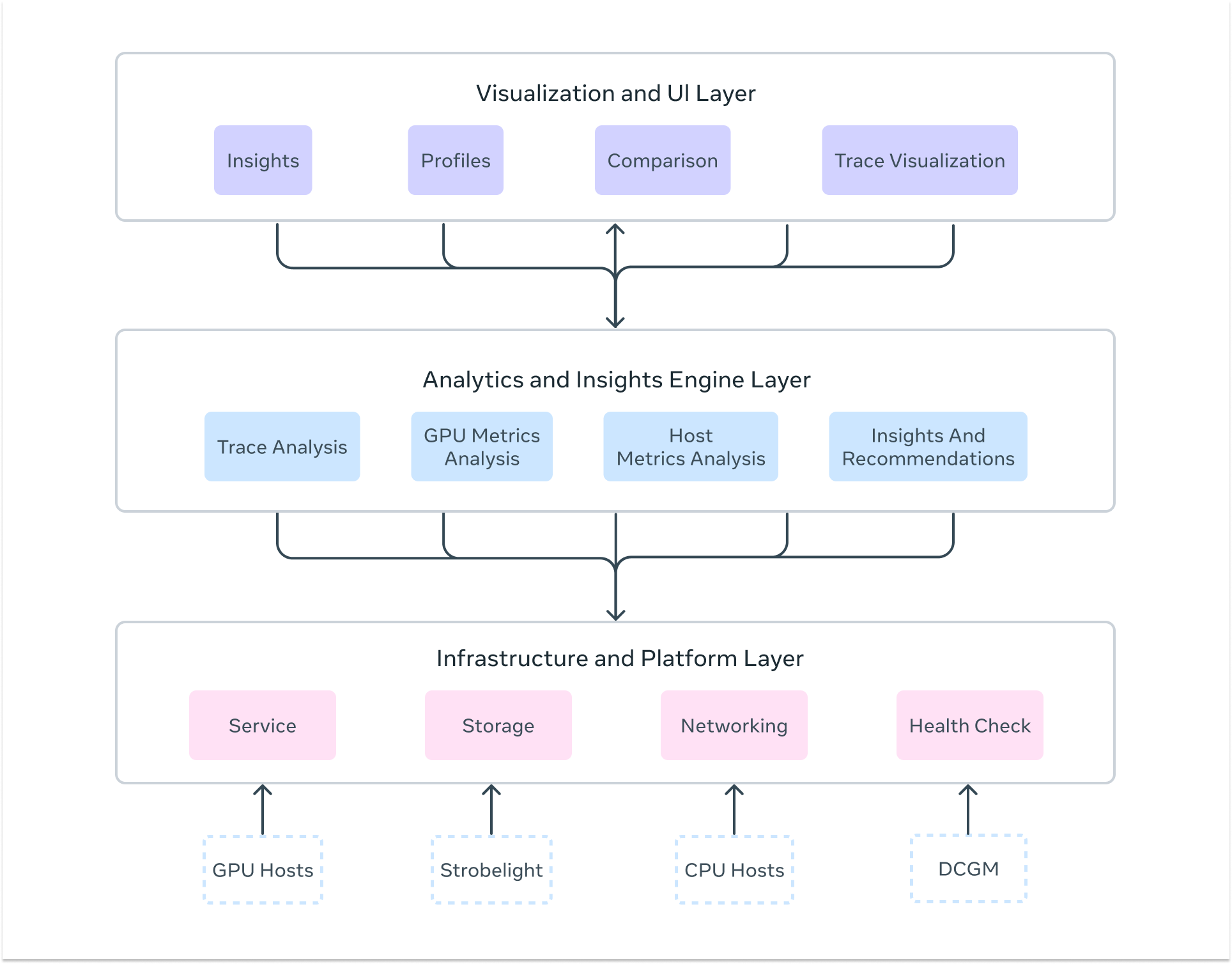
We’re introducing Zoomer, Meta’s comprehensive, automated debugging and optimization platform for AI. Zoomer works across all of our training and inference workloads at Meta and provides deep performance insights that enable energy savings, workflow acceleration, and efficiency gains in our AI infrastructure. Zoomer has delivered training time reductions, and significant QPS improvements, making it the [...] Read More... The post…
20 Nov 2025
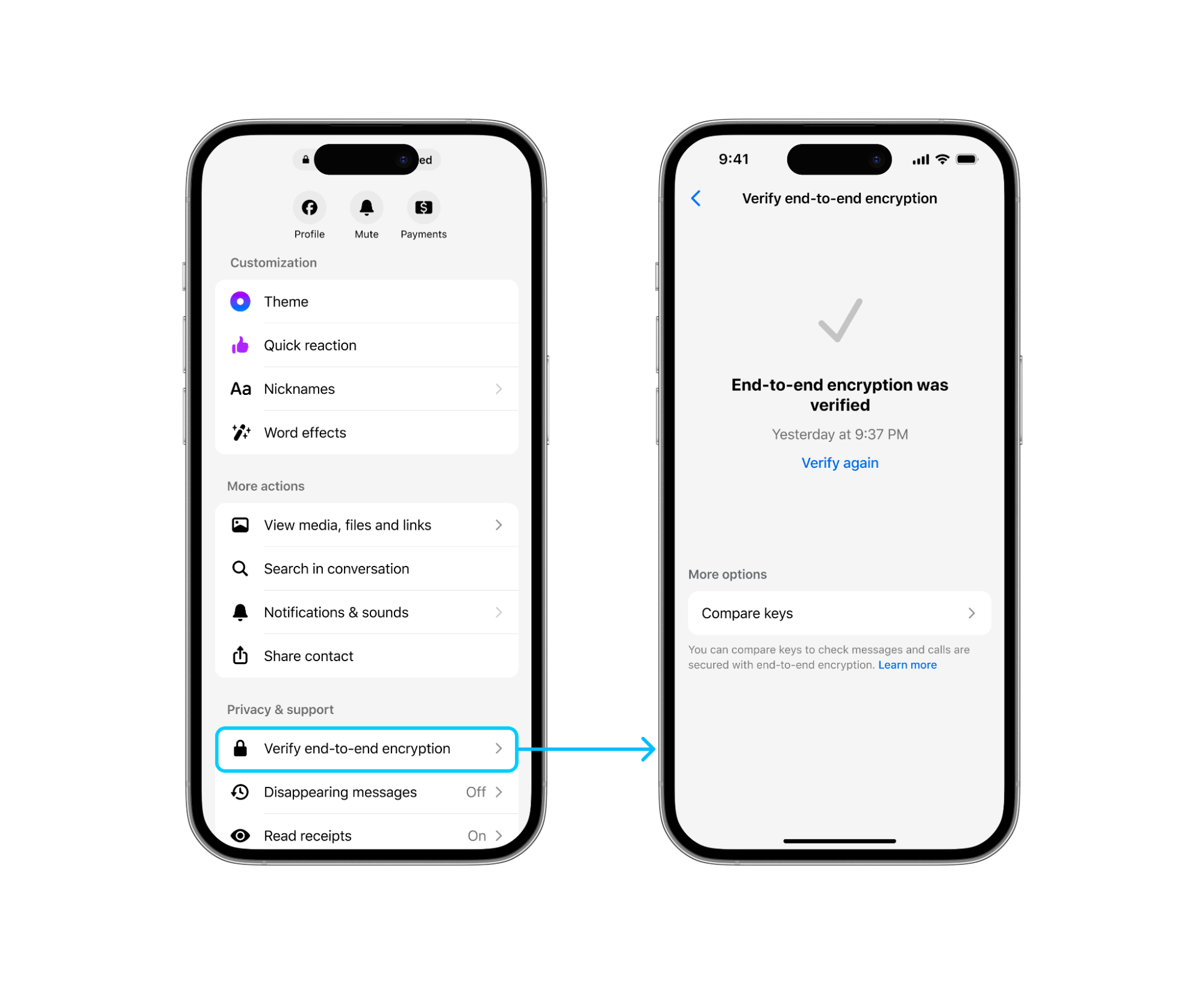
We’re excited to share another advancement in the security of your conversations on Messenger: the launch of key transparency verification for end-to-end encrypted chats. This new feature enables an additional level of assurance that only you — and the people you’re communicating with — can see or listen to what is sent, and that no [...] Read More... The post…
18 Nov 2025
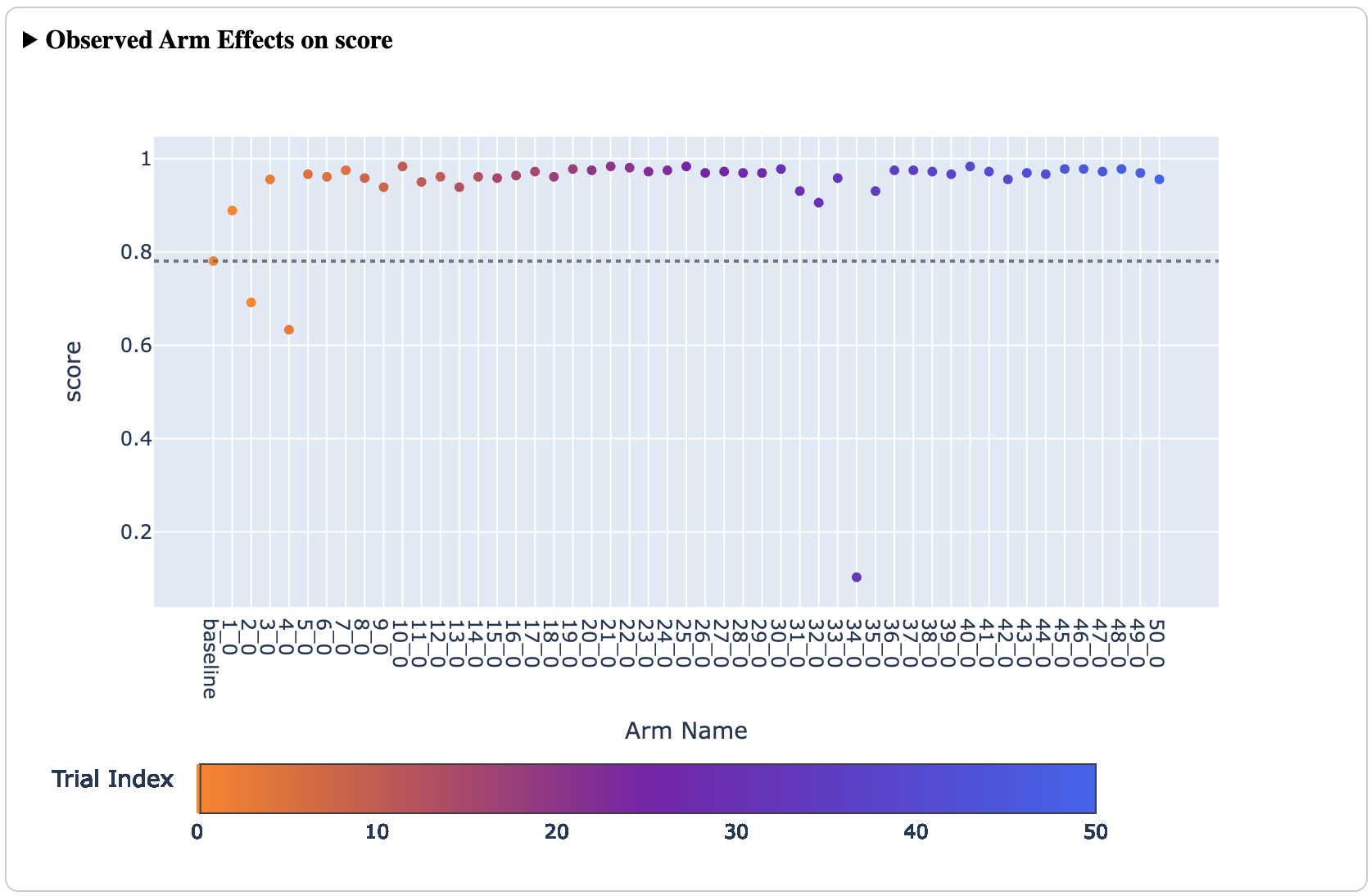
We’ve released Ax 1.0, an open-source platform that uses machine learning to automatically guide complex, resource-intensive experimentation. Ax is used at scale across Meta to improve AI models, tune production infrastructure, and accelerate advances in ML and even hardware design. Our accompanying paper, “Ax: A Platform for Adaptive Experimentation” explains Ax’s architecture, methodology, and how it [...] Read More... The…
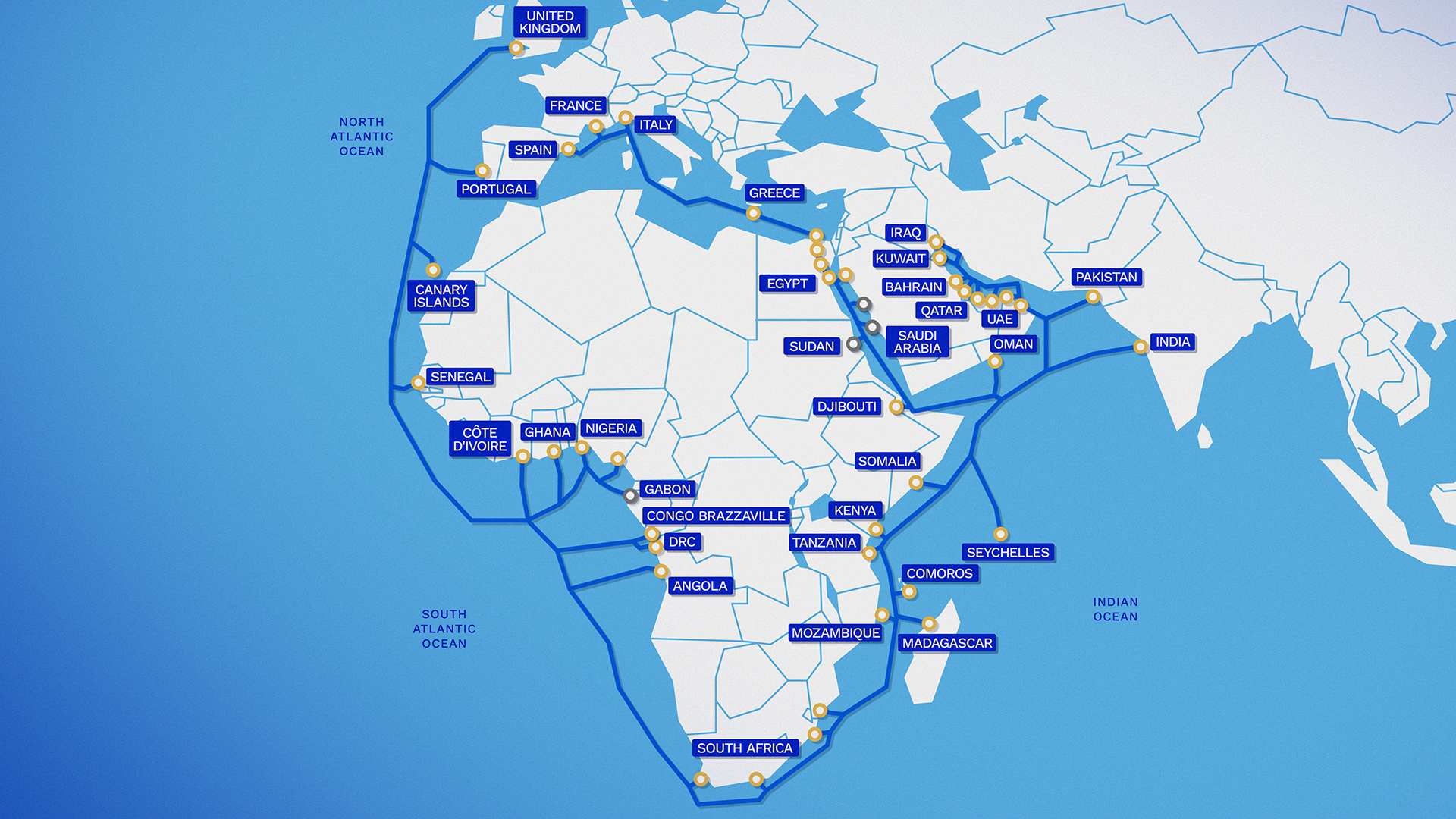
Connecting Africa and the World We’re excited to share the completion of the core 2Africa infrastructure, the world’s longest open access subsea cable system. 2Africa is a landmark subsea cable system that sets a new standard for global connectivity. This project is the result of years of collaboration, innovation, and a shared vision to connect [...] Read More... The post…
17 Nov 2025
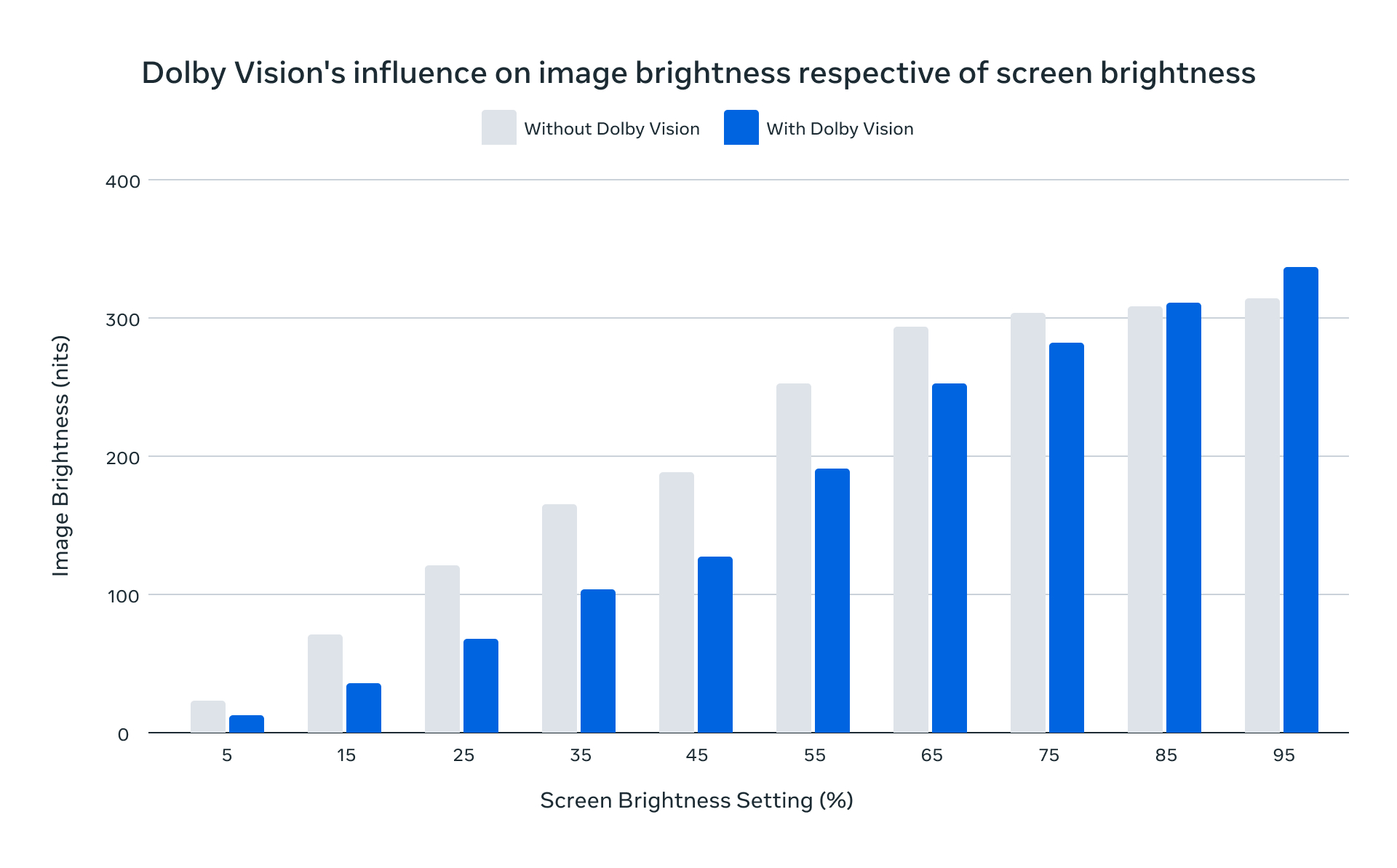
We’re sharing how we’ve enabled Dolby Vision and ambient viewing environment (amve) on the Instagram iOS app to enhance the video viewing experience. HDR videos created on iPhones contain unique Dolby Vision and amve metadata that we needed to support end-to-end Instagram for iOS is now the first Meta app to support Dolby Vision video, [...] Read More... The post…
14 Nov 2025
Most people have heard of open-source software. But have you heard about open hardware? And did you know open source can have a positive impact on the environment? On this episode of the Meta Tech Podcast, Pascal Hartig sits down with Dharmesh and Lisa to talk about all things open hardware, and Meta’s biggest announcements [...] Read More... The post…
11 Nov 2025
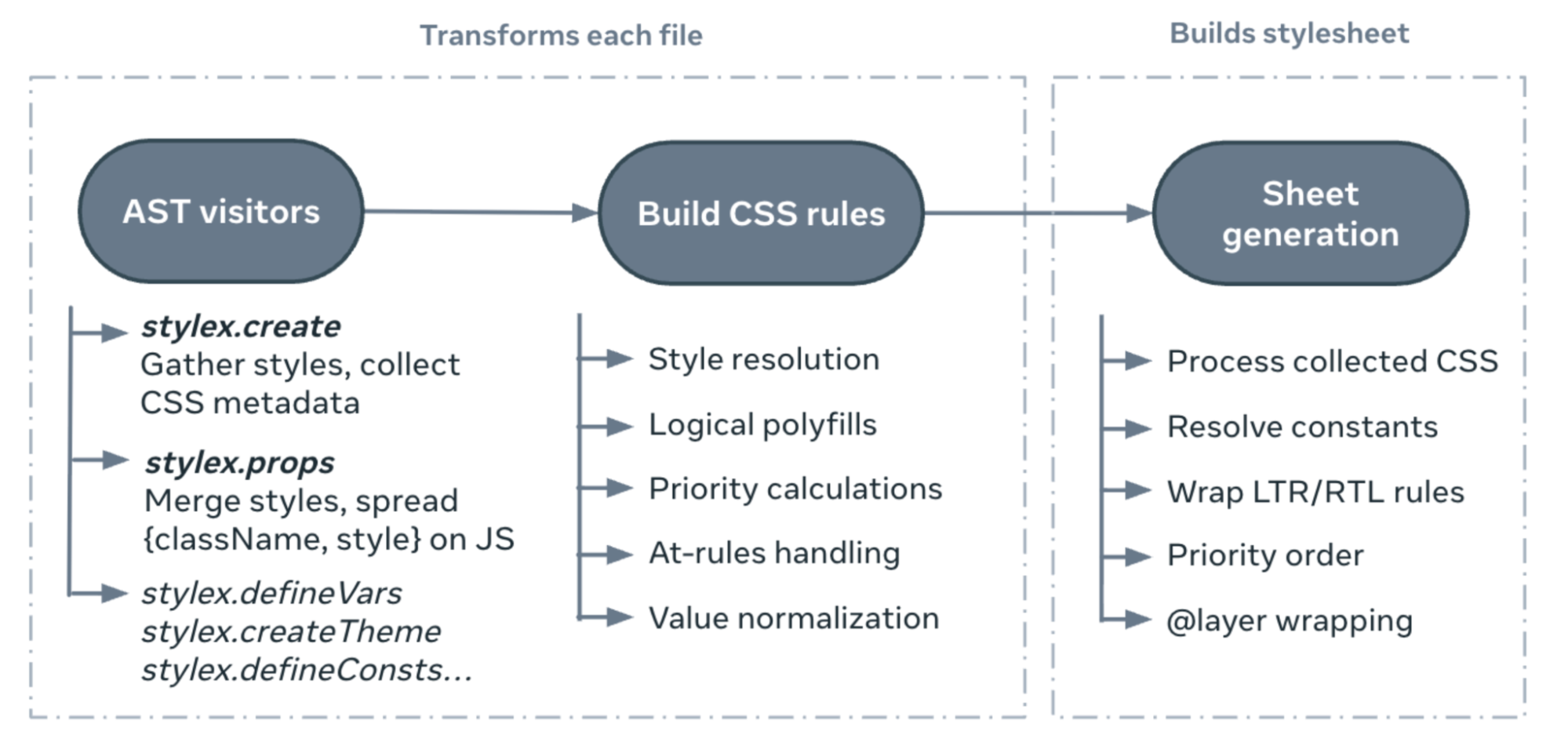
StyleX is Meta’s styling system for large-scale applications. It combines the ergonomics of CSS-in-JS with the performance of static CSS, generating collision-free atomic CSS while allowing for expressive, type-safe style authoring. StyleX was open sourced at the end of 2023 and has since become the standard styling system across Meta products like Facebook, Instagram, WhatsApp, [...] Read More... The post…
10 Nov 2025

We’re sharing details about Meta’s Generative Ads Recommendation Model (GEM), a new foundation model that delivers increased ad performance and advertiser ROI by enhancing other ads recommendation models’ ability to serve relevant ads. GEM’s novel architecture allows it to scale with an increasing number of parameters while consistently generating more precise predictions efficiently. GEM propagates [...] Read More... The post…
4 Nov 2025

At Meta, we use invisible watermarking for a variety of content provenance use cases on our platforms. Invisible watermarking serves a number of use cases, including detecting AI-generated videos, verifying who posted a video first, and identifying the source and tools used to create a video. We’re sharing how we overcame the challenges of scaling [...] Read More... The post…
23 Oct 2025
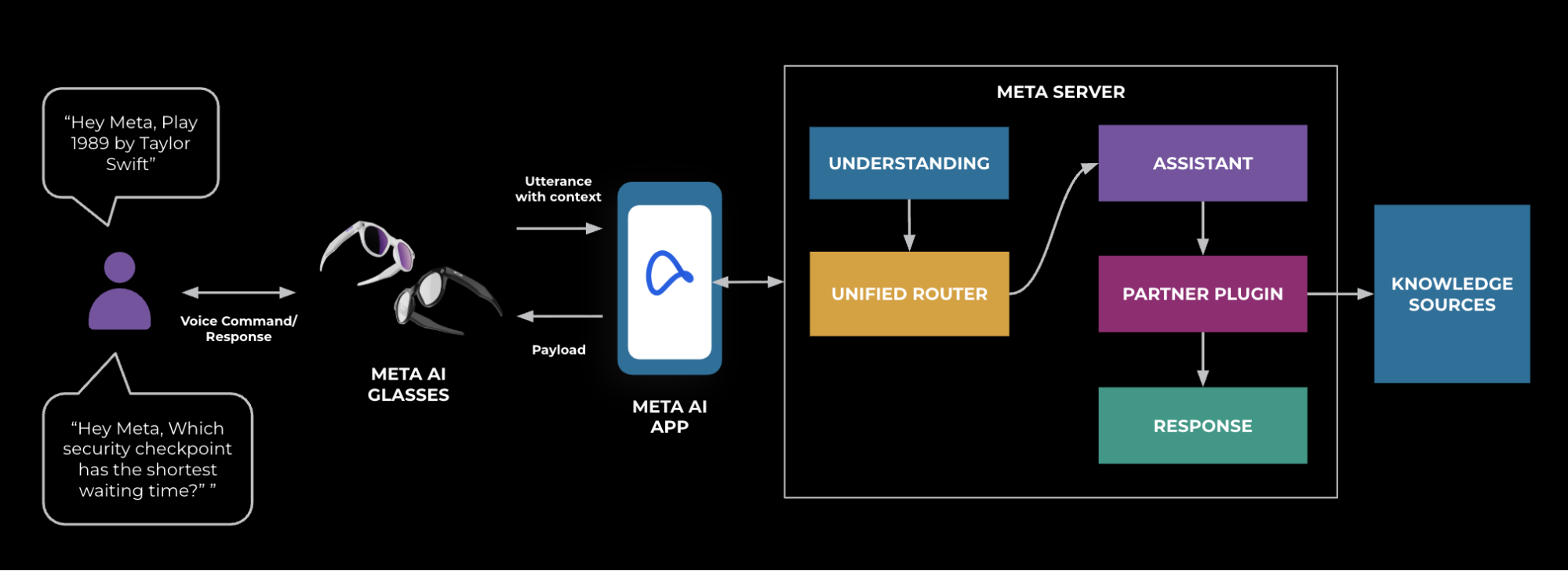
How does Meta empower its product teams to harness GenAI’s power responsibly? In this post, we delve into how Meta addresses the challenges of safeguarding data in the GenAI era by scaling its Privacy Aware Infrastructure (PAI), with a particular focus on Meta’s AI glasses as an example GenAI use case. We’ll describe in detail [...] Read More... The post…
20 Oct 2025
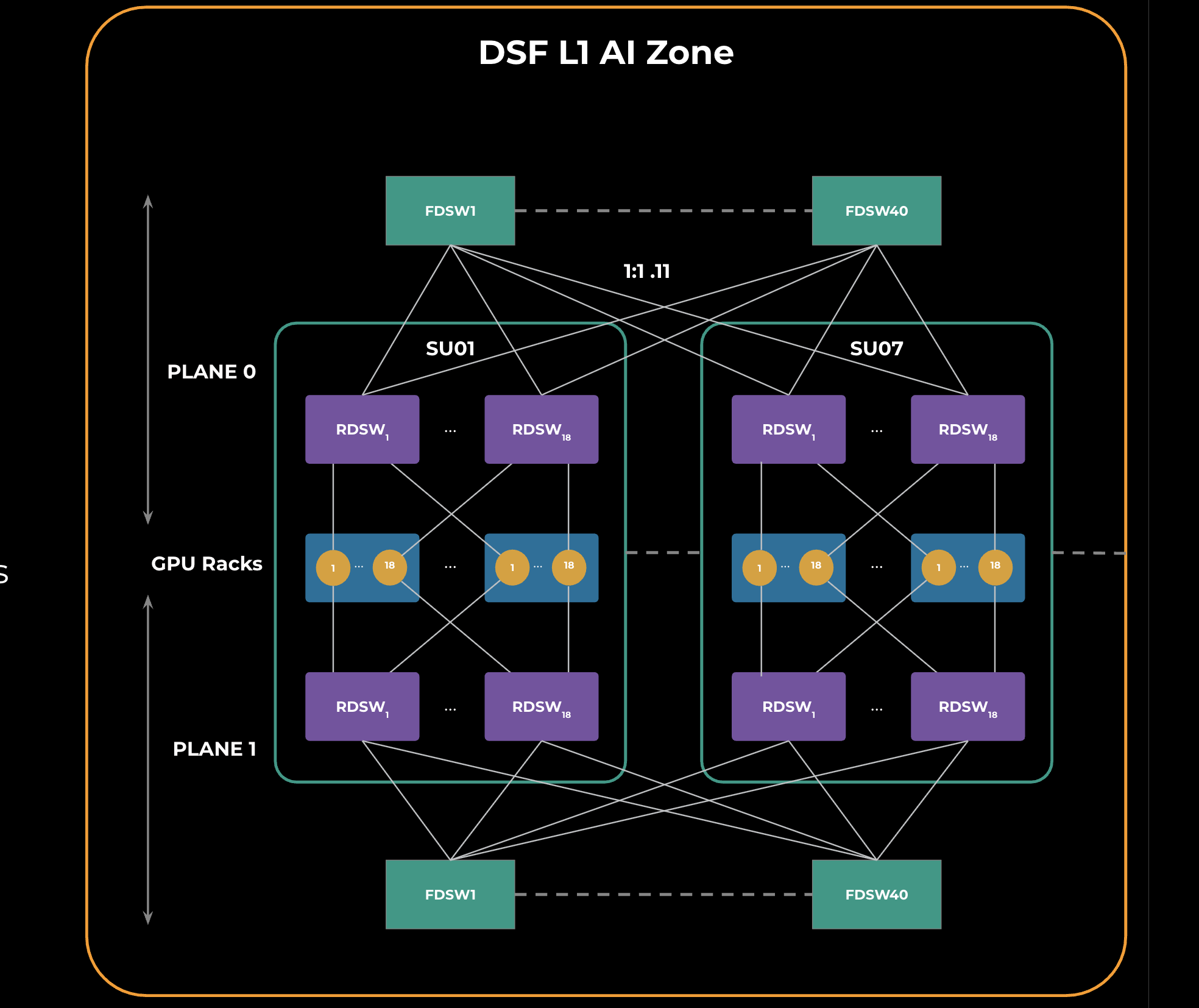
Disaggregated Schedule Fabric (DSF) is Meta’s next-generation network fabric technology for AI training networks that addresses the challenges of existing Clos-based networks. We’re sharing the challenges and innovations surrounding DSF and discussing future directions, including the creation of mega clusters through DSF and non-DSF region interconnectivity, as well as the exploration of alternative switching technologies. [...] Read More... The post…
17 Oct 2025
At Meta, we are constantly pushing the boundaries of LLM inference systems to power applications such as the Meta AI App. We’re sharing how we developed and implemented advanced parallelism techniques to optimize key performance metrics related to resource efficiency, throughput, and latency. The rapid evolution of large language models (LLMs) has ushered in a [...] Read More... The post…
16 Oct 2025
Sapling is a scalable, user-friendly, and open-source source control system that powers Meta’s monorepo. As discussed at the GitMerge 2024 conference session on branching, designing and implementing branching workflows for large monorepos is a challenging problem with multiple tradeoffs between scalability and the developer experience. After the conference, we designed, implemented, and open sourced our [...] Read More... The post…
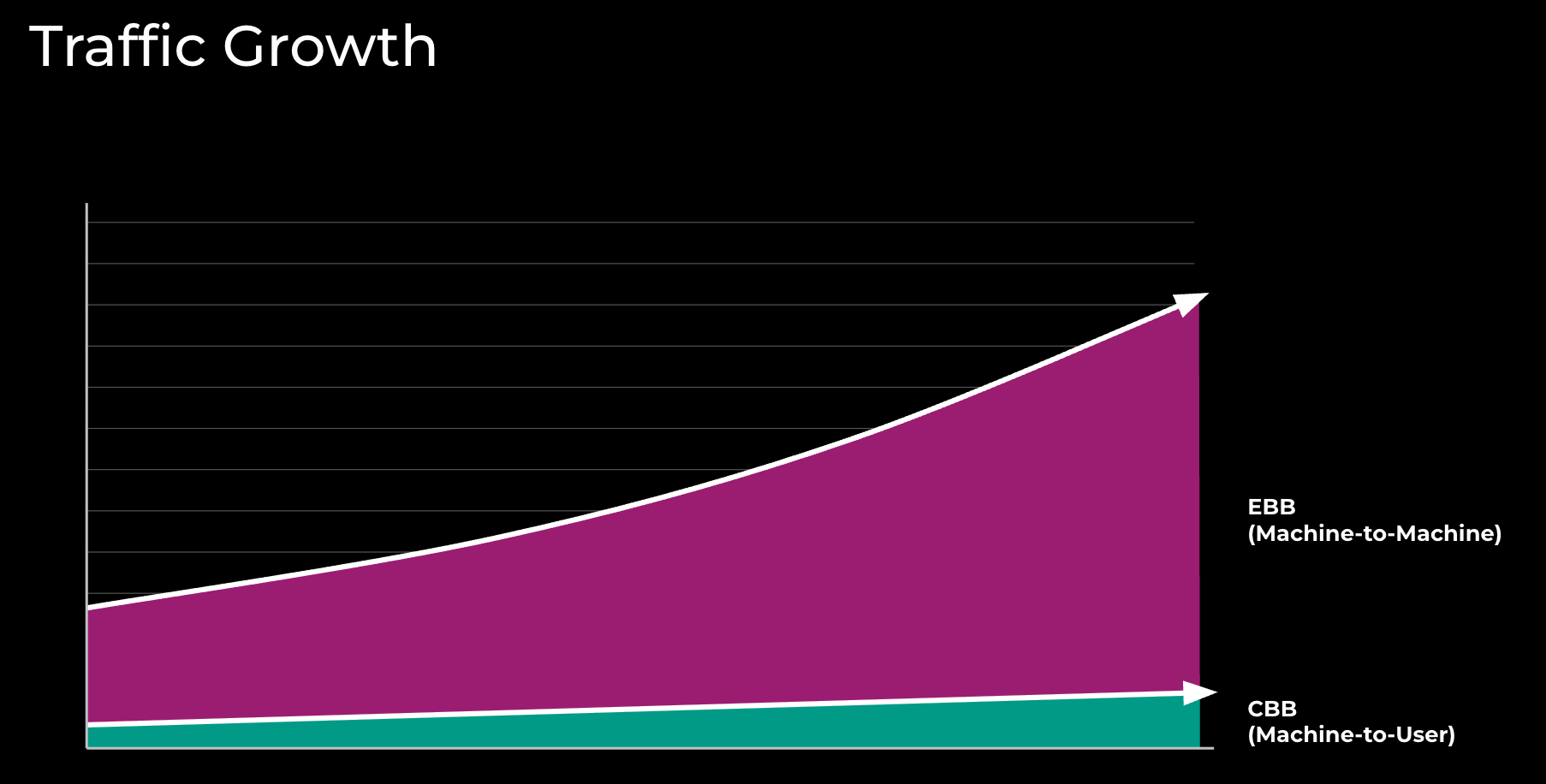
We’re sharing details on our journey to scale Meta’s Backbone network to support the increasing demands of new and existing AI workloads. We’ve developed new technologies and designs to address our 10x scaling needs and applying some of these same principles to help extend our AI clusters between multiple data centers. Meta’s Backbone network is [...] Read More... The post…
14 Oct 2025
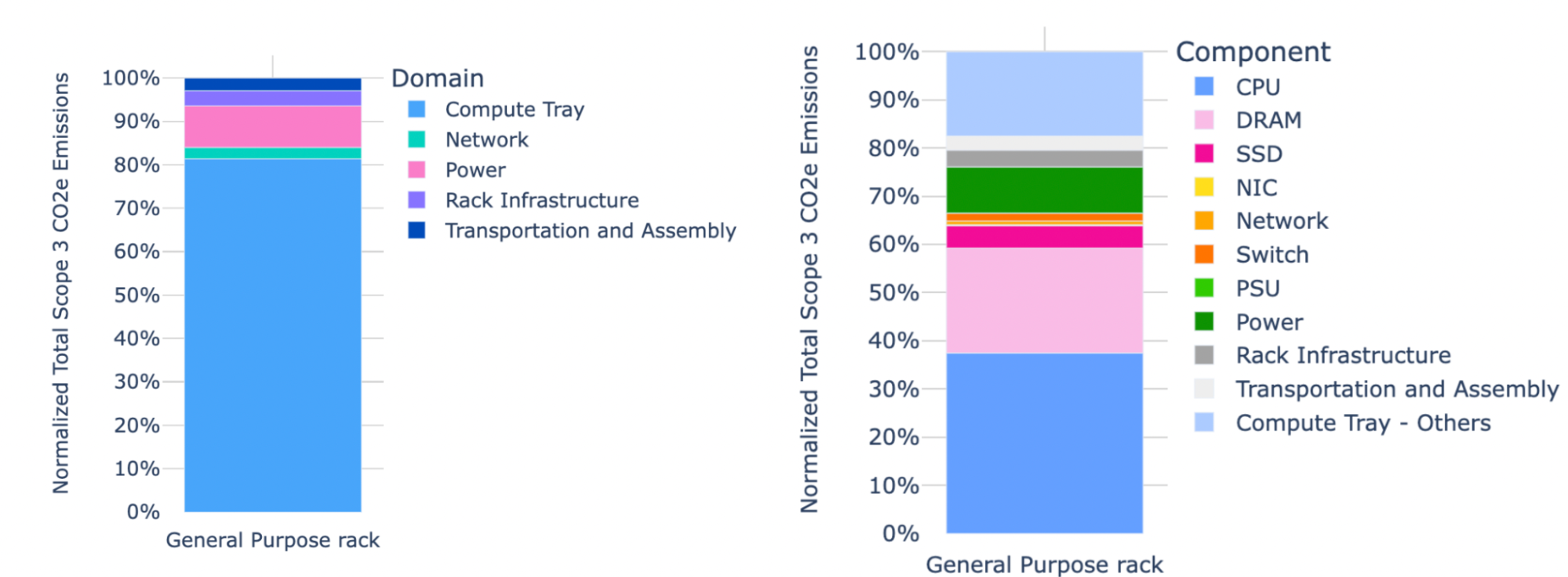
We’re presenting Design for Sustainability, a set of technical design principles for new designs of IT hardware to reduce emissions and cost through reuse, extending useful life, and optimizing design. At Meta, we’ve been able to significantly reduce the carbon footprint of our data centers by integrating several design strategies such as modularity, reuse, retrofitting, [...] Read More... The post…
As we focus on our goal of achieving net zero emissions in 2030, we also aim to create a common taxonomy for the entire industry to measure carbon emissions. We’re sharing details on a new methodology we presented at the 2025 OCP regional EMEA summit that leverages AI to improve our understanding of our IT [...] Read More... The post…
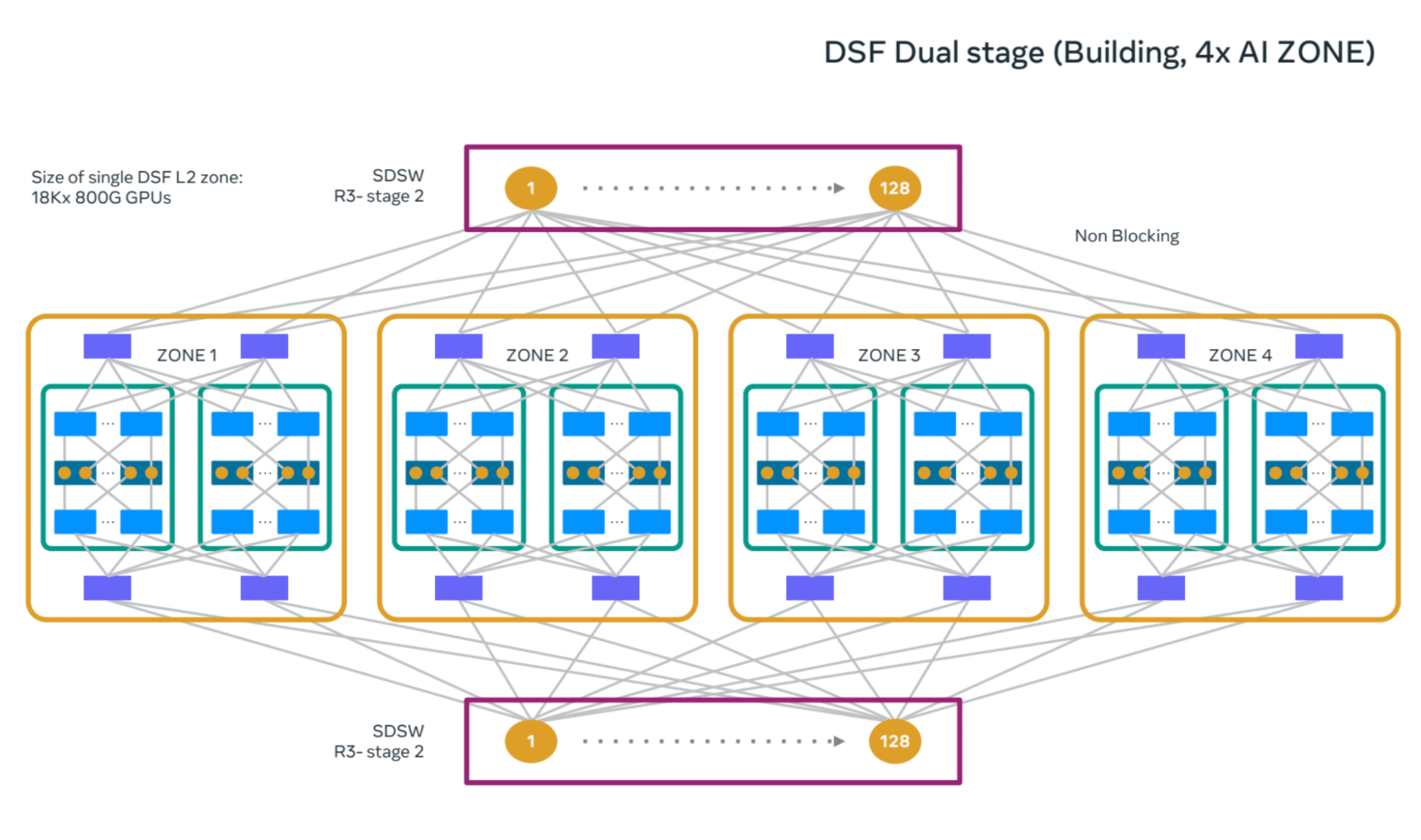
At Open Compute Project Summit (OCP) 2025, we’re sharing details about the direction of next-generation network fabrics for our AI training clusters. We’ve expanded our network hardware portfolio and are contributing new disaggregated network platforms to OCP. We look forward to continued collaboration with OCP to open designs for racks, servers, storage boxes, and motherboards [...] Read More... The post…
7 Oct 2025
Meta open-sourced React over a decade ago to help developers build better user experiences. Since then, React has grown into one of the world’s most popular open source projects, powering over 50 million websites and products built by companies such as Microsoft, Shopify, Bloomberg, Discord, Coinbase, the NFL, and many others. With React Native, React [...] Read More... The post…
6 Oct 2025
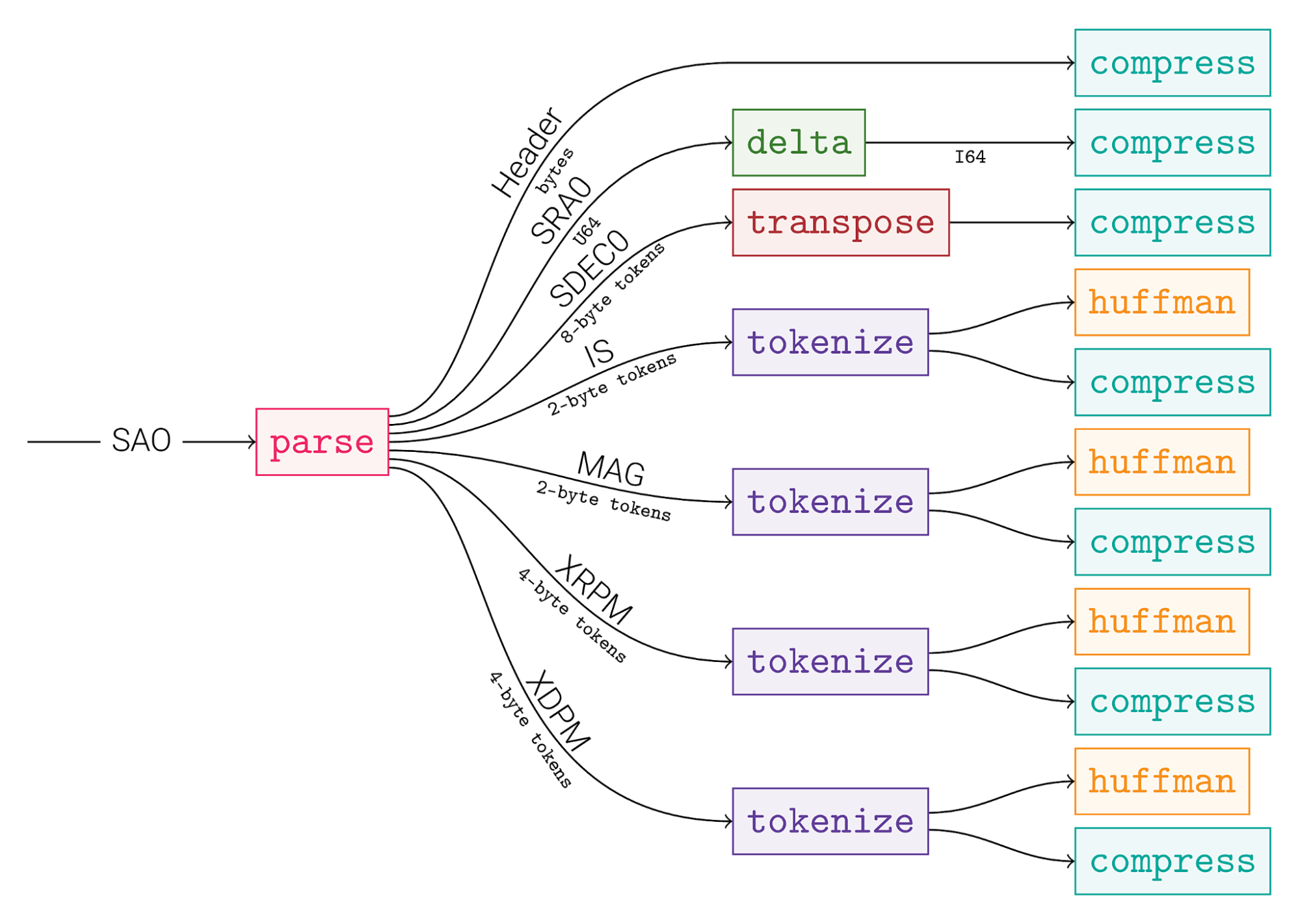
OpenZL is a new open source data compression framework that offers lossless compression for structured data. OpenZL is designed to offer the performance of a format-specific compressor with the easy maintenance of a single executable binary. You can get started with OpenZL today by visiting our Quick Start guide and the OpenZL GitHub repository. Learn more [...] Read More... The…
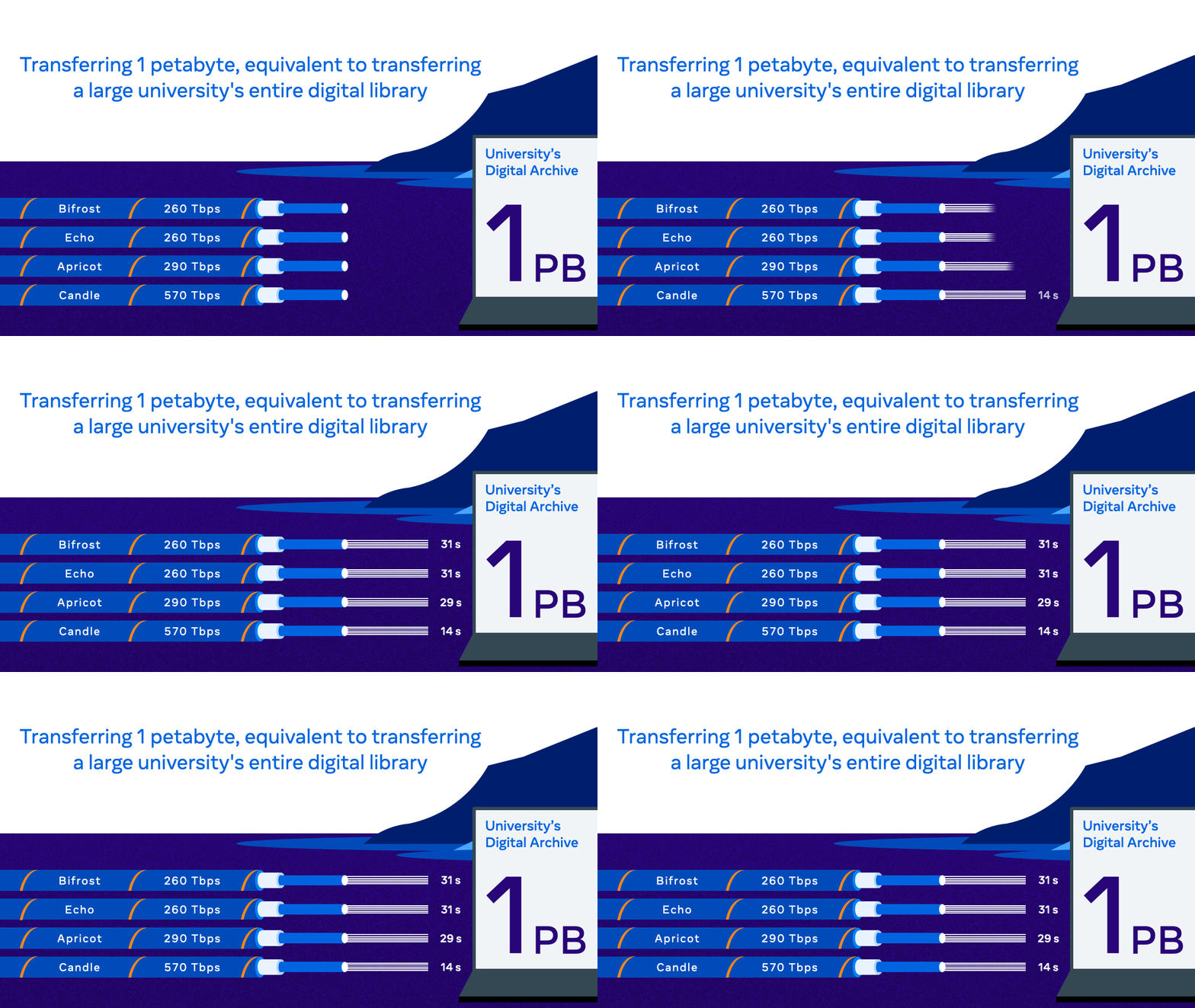
We’re introducing Candle, a new submarine cable connecting countries across East Asia and Southeast Asia. We’re also announcing several updates to our subsea cables across the Asia-Pacific, including the completion of the Bifrost cable system. The Asia-Pacific (APAC) region is home to over 58% of the world’s internet users1 – many who rely on robust [...] Read More... The post…
1 Oct 2025
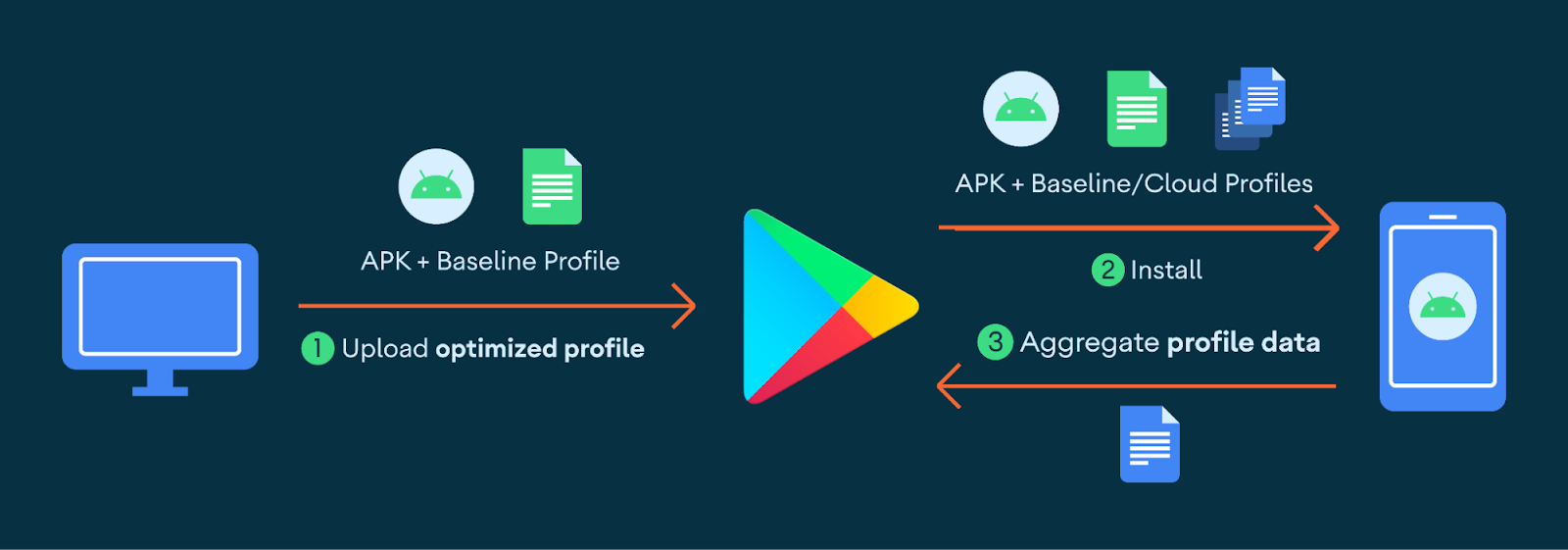
Key Takeways: With billions of Android app users, we’re always looking to improve the Meta app experience, and in this post, we explore the ways we’ve leveraged Android’s Baseline Profiles to significantly improve their performance. We discuss the performance challenges we’ve faced as Meta’s apps, how the needs of users have become more complex over [...] Read More... The post…
30 Sept 2025
Following our keynote presentations at FSE 2025 and Eurostar 2025, we’re delving further into the development of Meta’s Automated Compliance Hardening (ACH) tool, an LLM-based tool for software testing that is automating aspects of compliance adherence at Meta, while accelerating developer and product velocity. By leveraging LLMs we’ve been able to overcome the barriers that [...] Read More... The post…
29 Sept 2025
Imagine being able to use AI to create 3D virtual worlds using prompts as easily as you can generate images. The intersection of AI and VR was one of the biggest topics at Meta Connect this year. In his keynote, Mark Zuckerberg shared his vision of a future where anyone can create virtual worlds using [...] Read More... The post…
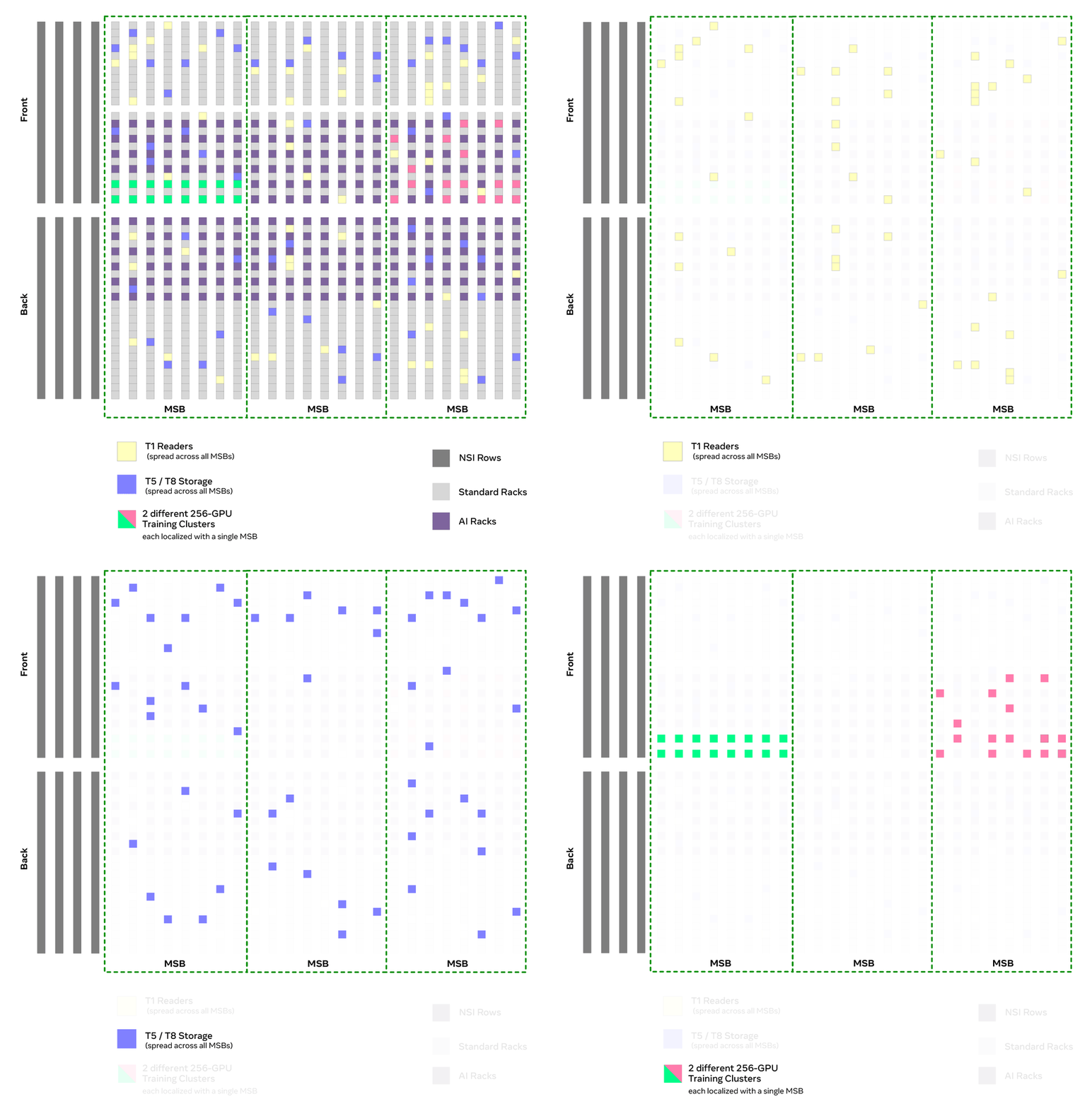
Over the past 21 years, Meta has grown exponentially from a small social network connecting a few thousand people in a handful of universities in the U.S. into several apps and novel hardware products that serve over 3.4 billion people throughout the world. Our infrastructure has evolved significantly over the years, growing from a [...] Read More... The post Meta’s…
26 Sept 2025
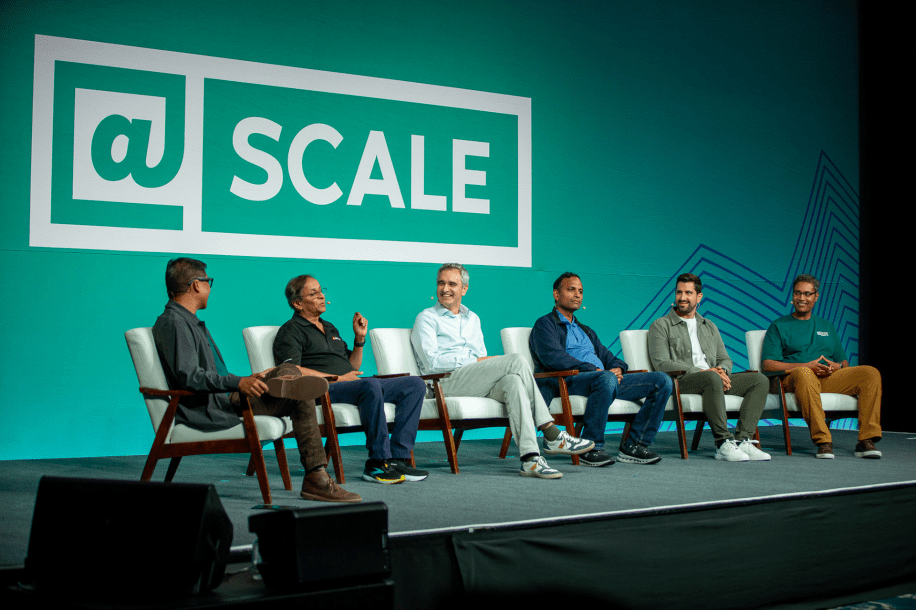
AI is everywhere and, as network engineers, we are right in the thick of it: building the network infrastructure for AI. This year, at our largest @Scale:Networking ever, engineers from Meta, ByteDance, Google, Microsoft, Oracle, AMD, Broadcom, Cisco, and NVIDIA came together to share our latest experiences in architecting, designing, operating, and debugging our AI [...] Read More... The post…
24 Sept 2025
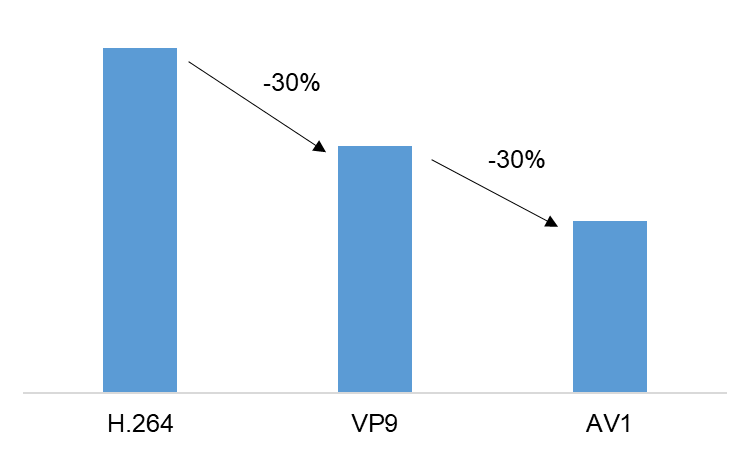
Today, Meta, Vodafone, and Google released a white paper, “Video Streaming with the AV1 Video Codec in Mobile Devices,” detailing the benefits of the AV1 codec, an advanced video compression technique, to enhance the streaming video experience on mobile devices. The white paper recommends that: Vendors of core processors (SoCs) should evaluate the adoption of [...] Read More... The post…
12 Sept 2025
[...] Read More... The post Read Meta’s 2025 Sustainability Report appeared first on Engineering at Meta.
2 Sept 2025

We’re sharing how Meta is applying machine learning (ML) and diversity algorithms to improve notification quality and user experience. We’ve introduced a diversity-aware notification ranking framework to reduce uniformity and deliver a more varied and engaging mix of notifications. This new framework reduces the volume of notifications and drives higher engagement rates through more diverse [...] Read More... The post…
26 Aug 2025

The Kotlin incremental compiler has been a true gem for developers chasing faster compilation since its introduction in build tools. Now, we’re excited to bring its benefits to Buck2 – Meta’s build system – to unlock even more speed and efficiency for Kotlin developers. Unlike a traditional compiler that recompiles an entire module every time, [...] Read More... The post…
13 Aug 2025
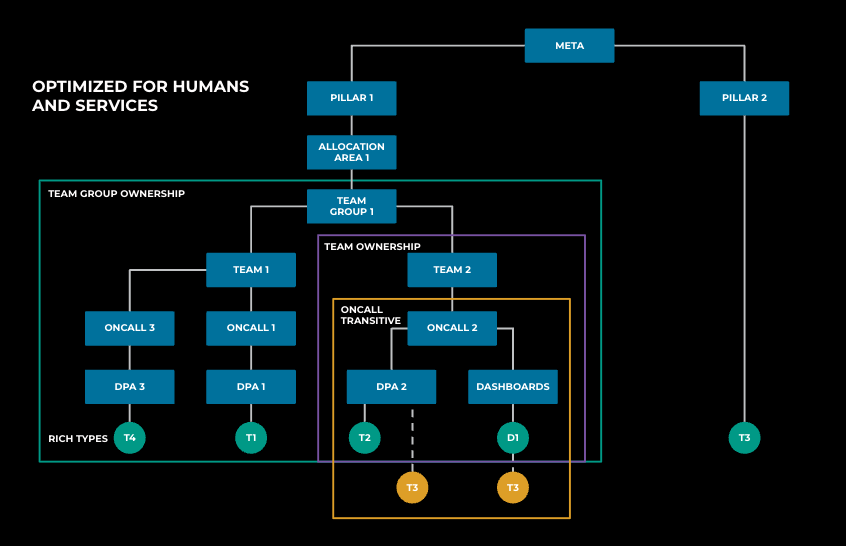
In this post, we explore the ways we’re evolving Meta’s data warehouse to facilitate productivity and security to serve both human users and AI agents. We detail how we’re developing agents that help users making data access requests to get to the data they need, and that help data owners process requests and maintain security. [...] Read More... The post…
11 Aug 2025
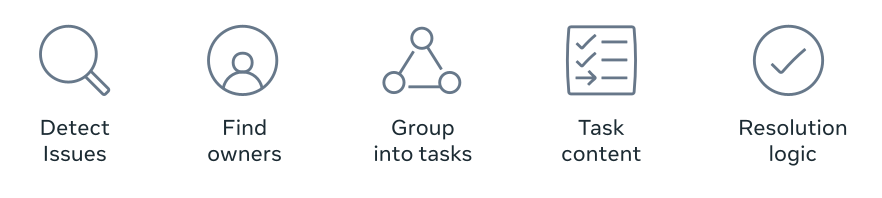
We’re exploring Meta’s Federation Platform, a scalable set of tools for managing compliance-related tasks, along with Privacy Waves, our method for batching these tasks and ensuring accountability. Together, the Federation Platform and Privacy Waves create a structured, effective, and sustainable approach to operationalizing privacy work, enabling Meta to safeguard user data for the billions of [...] Read More... The post…
6 Aug 2025
The state of the research Diff Risk Score (DRS) is an AI-powered technology built at Meta that predicts the likelihood of a code change causing a production incident, also known as a SEV. Built on a fine-tuned Llama LLM, DRS evaluates code changes and metadata to produce a risk score and highlight potentially risky code [...] Read More... The post…
4 Aug 2025
What if you could control any device using only subtle hand movements? New research from Meta’s Reality Labs is pointing even more firmly toward wrist-worn devices using surface electromyography (sEMG) becoming the future of human-computer interaction. But how do you develop a wrist-worn input device that works for everyone? Generalization has been one of the [...] Read More... The post…
28 Jul 2025
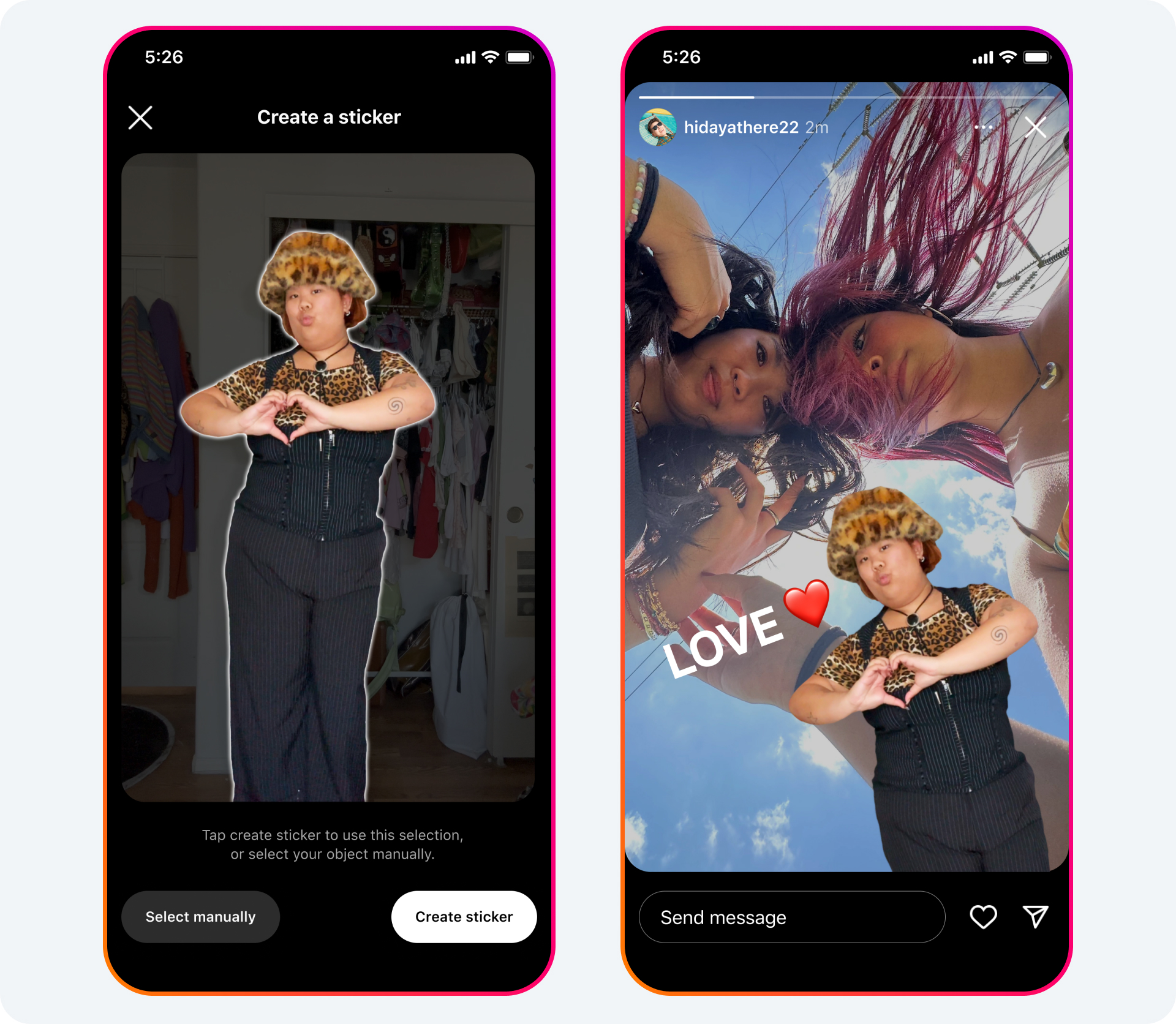
ExecuTorch is the PyTorch inference framework for edge devices developed by Meta with support from industry leaders like Arm, Apple, and Qualcomm. Running machine learning (ML) models on-device is increasingly important for Meta’s family of apps (FoA). These on-device models improve latency, maintain user privacy by keeping data on users’ devices, and enable offline functionality. [...] Read More... The post…
23 Jul 2025
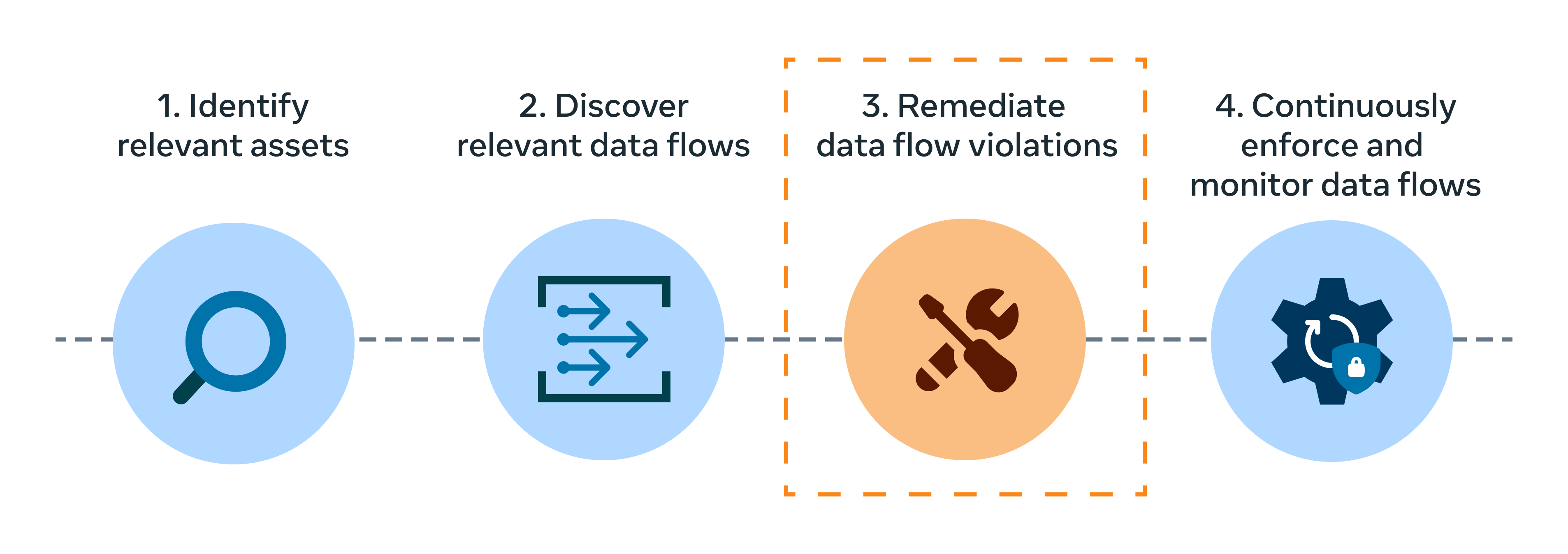
Meta has developed Privacy Aware Infrastructure (PAI) and Policy Zones to enforce purpose limitations on data, especially in large-scale batch processing systems. Policy Zones integrates with Meta’s exabyte-scale data warehouse and processing systems, using runtime enforcement and SQL parsing to propagate and enforce privacy annotations across millions of daily data flows per day, performing trillions [...] Read More... The post…
22 Jul 2025
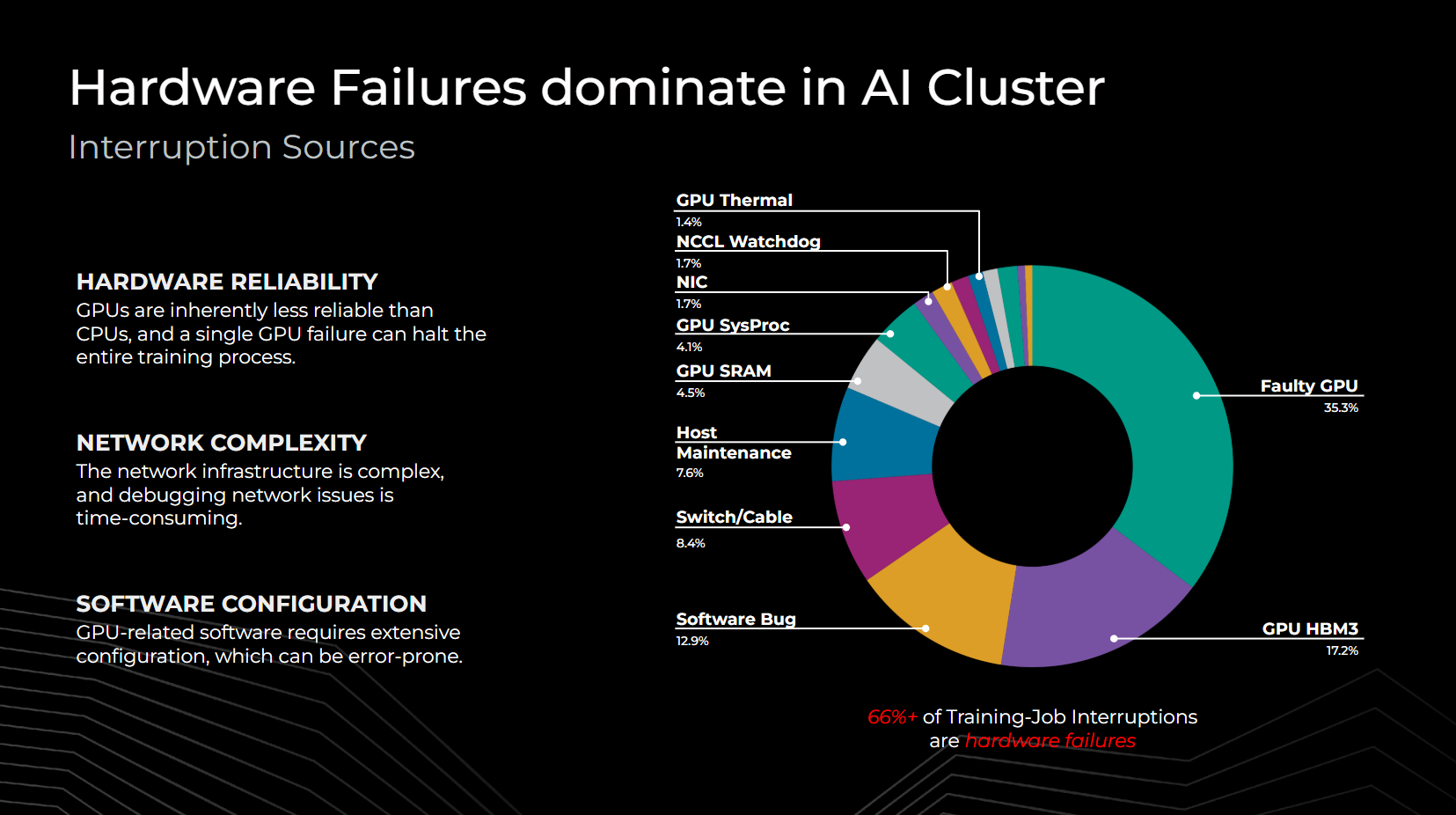
Hardware faults can have a significant impact on AI training and inference. Silent data corruptions (SDCs), undetected data errors caused by hardware, can be particularly harmful for AI systems that rely on accurate data for training as well as providing useful outputs. We are sharing methodologies we deploy at various scales for detecting SDC across [...] Read More... The post…
16 Jul 2025
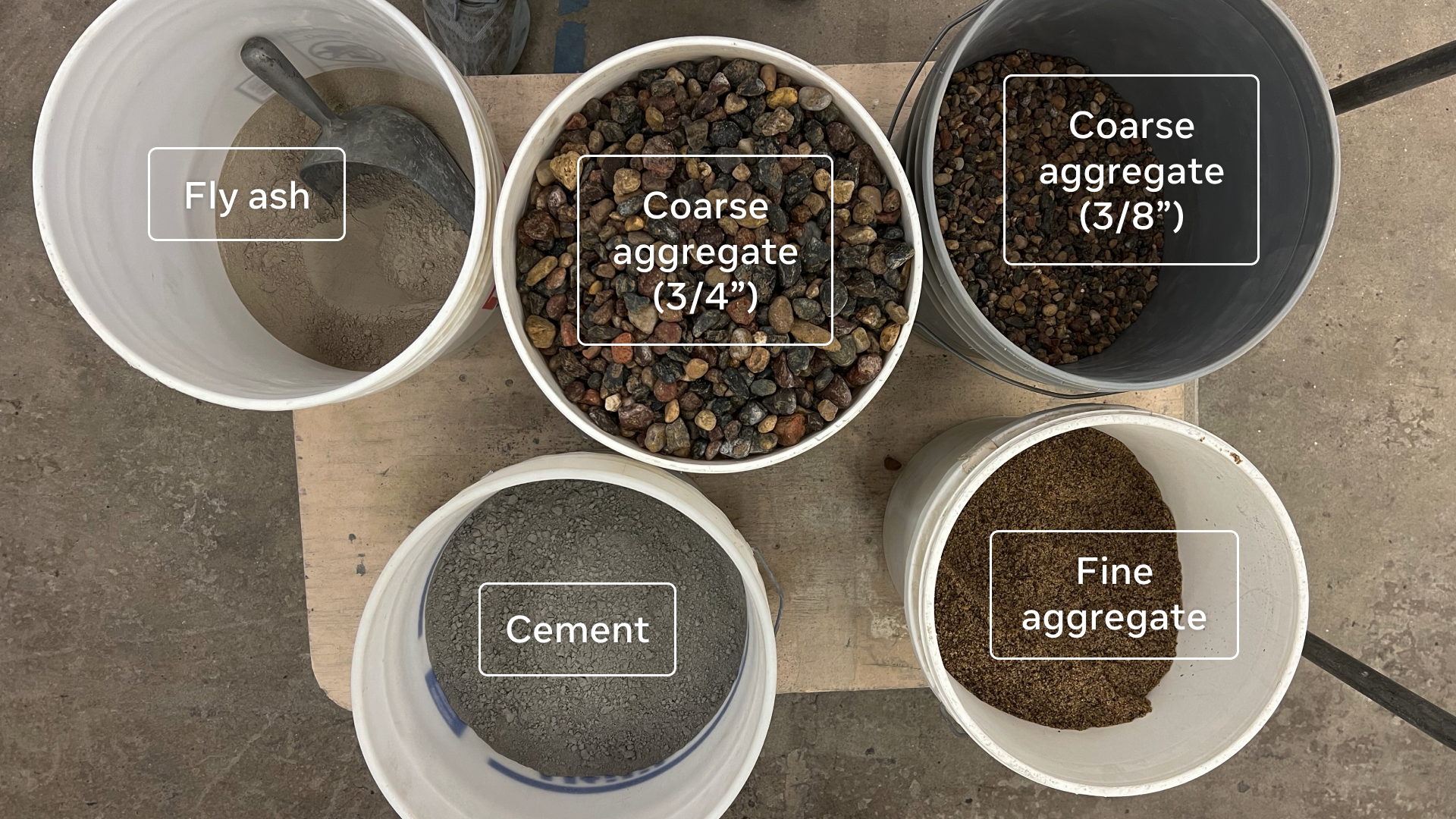
Meta has developed an open-source AI tool to design concrete mixes that are stronger, more sustainable, and ready to build with faster—speeding up construction while reducing environmental impact. The AI tool leverages Bayesian optimization, powered by Meta’s BoTorch and Ax frameworks, and was developed with Amrize and the University of Illinois Urbana-Champaign (U of I) [...] Read More... The post…
1 Jul 2025
Have you ever worked is legacy code? Are you curious what it takes to modernize systems at a massive scale? Pascal Hartig is joined on the latest Meta Tech Podcast by Elaine and Buping, two software engineers working on a bold project to rewrite the decades-old C code in one of Meta’s core messaging libraries [...] Read More... The post…
30 Jun 2025
We are proud to announce that Meta has officially joined the Kotlin Foundation as a gold member, marking a significant milestone in our ongoing commitment to Kotlin and the broader Android development ecosystem. Over the past several years, Meta engineers have been actively migrating our extensive Android codebase—comprising tens of millions of lines—from Java to [...] Read More... The post…
22 May 2025
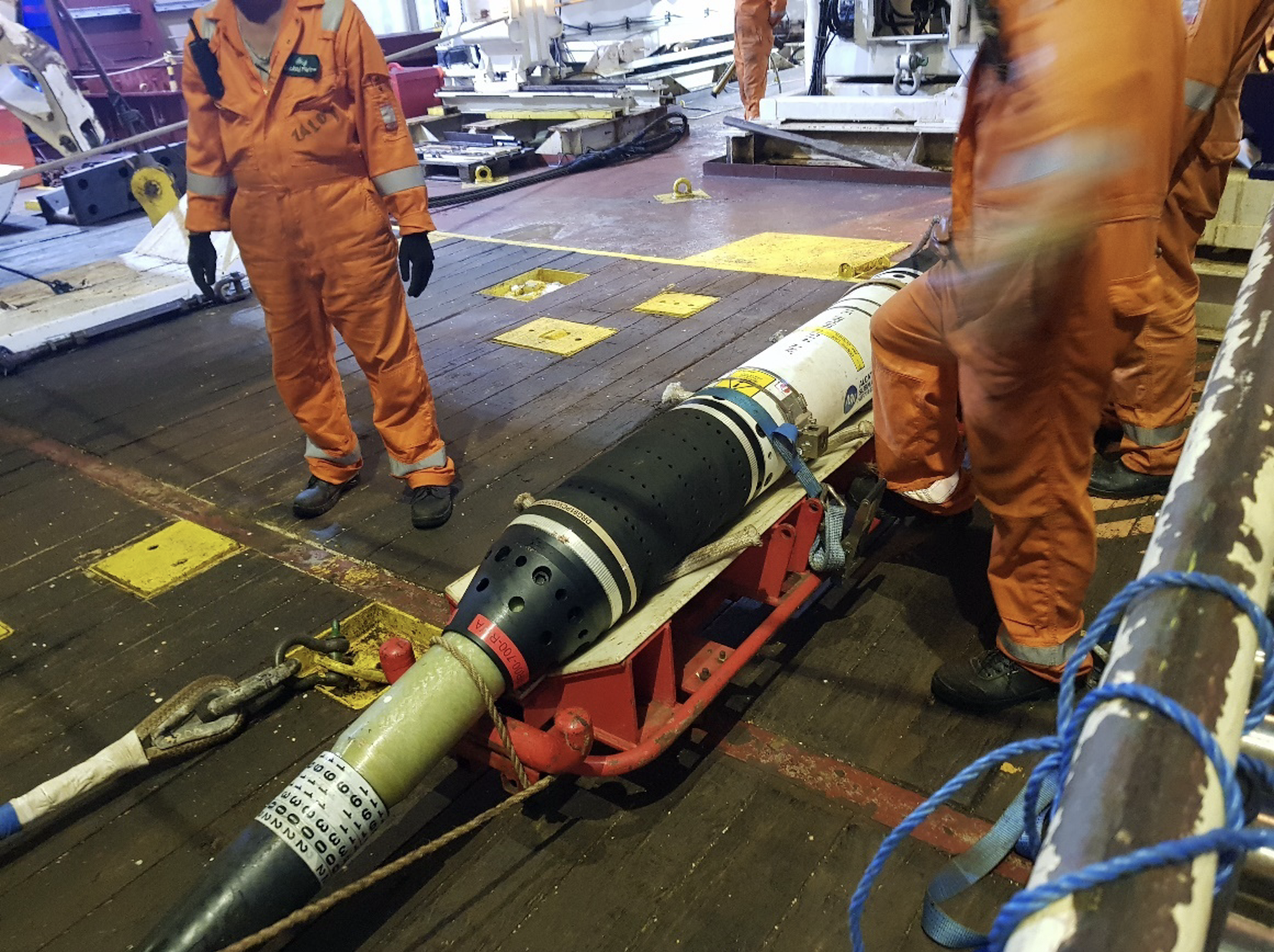
Meta is partnering with V.tal to extend the Malbec subsea cable to Porto Alegre, Brazil by 2027. With this new extension, Malbec will become the first subsea cable to land in the state of Rio Grande do Sul, bringing more connectivity to millions of people in Southern Brazil and neighboring countries. Malbec will improve the [...] Read More... The post…
21 May 2025
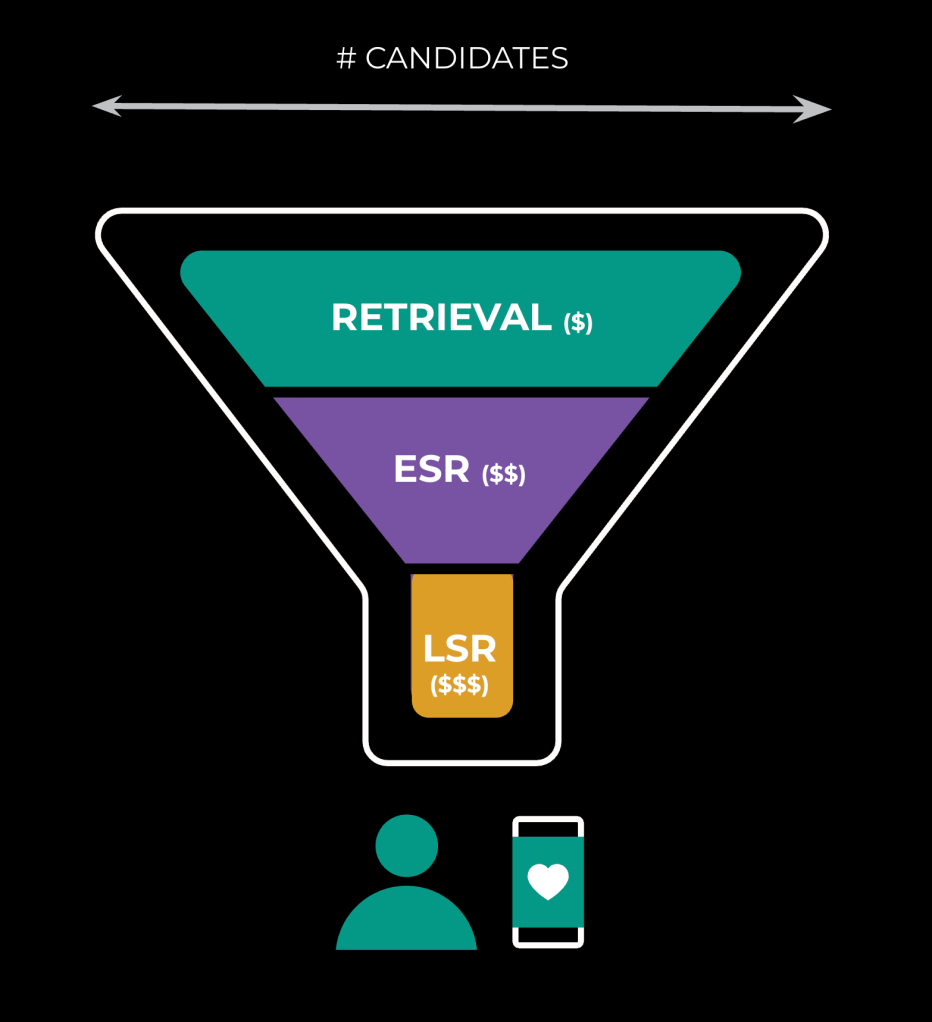
In this post, we explore how Instagram has successfully scaled its algorithm to include over 1000 ML models without sacrificing recommendation quality or reliability. We delve into the intricacies of managing such a vast array of models, each with its own performance characteristics and product goals. We share insights and lessons learned along the way—from [...] Read More... The post…
20 May 2025

As Meta has launched new, innovative products leveraging generative AI (GenAI), we need to make sure the underlying infrastructure components evolve along with it. Applying infrastructure knowledge and optimizations have allowed us to adapt to changing product requirements, delivering a better product along the way. Ultimately, our infrastructure systems need to balance our need to [...] Read More... The post…
15 May 2025
Back in 2017, engineers at Meta sought to create a type checker for Instagram’s typed Python codebase. Years later, as the type system continued to evolve, that type checker eventually became Pyrefly. Pyrefly is a new type checker and IDE experience for Python, written with Rust, and now available for the entire Python community to [...] Read More... The post…

Today we are announcing an alpha version of Pyrefly, an open source Python type checker and IDE extension crafted in Rust. Pyrefly is a static type checker that analyzes Python code to ensure type consistency and help you catch errors throughout your codebase before your code runs. It also supports IDE integration and CLI usage [...] Read More... The post…
8 May 2025
Meta and NVIDIA collaborated to accelerate vector search on GPUs by integrating NVIDIA cuVS into Faiss v1.10, Meta’s open source library for similarity search. This new implementation of cuVS will be more performant than classic GPU-accelerated search in some areas. For inverted file (IVF) indexing, NVIDIA cuVS outperforms classical GPU-accelerated IVF build times by up [...] Read More... The post…
5 May 2025

Meta and Quansight have improved key libraries in the Python Ecosystem. There is plenty more to do and we invite the community to help with our efforts. We’ll look at two key efforts in Python’s packaging ecosystem to make packages faster and easier to use: 🚀 Unlock performance wins for developers through free-threaded Python – [...] Read More... The post…
1 May 2025
Meta develops infrastructure all across the globe to transport information and content for the billions of people using our services around the world. At the core of this infrastructure are aggregation points – like data centers – and the digital cables that connect them. Subsea cables – the unseen digital highways of the internet – [...] Read More... The post…
29 Apr 2025
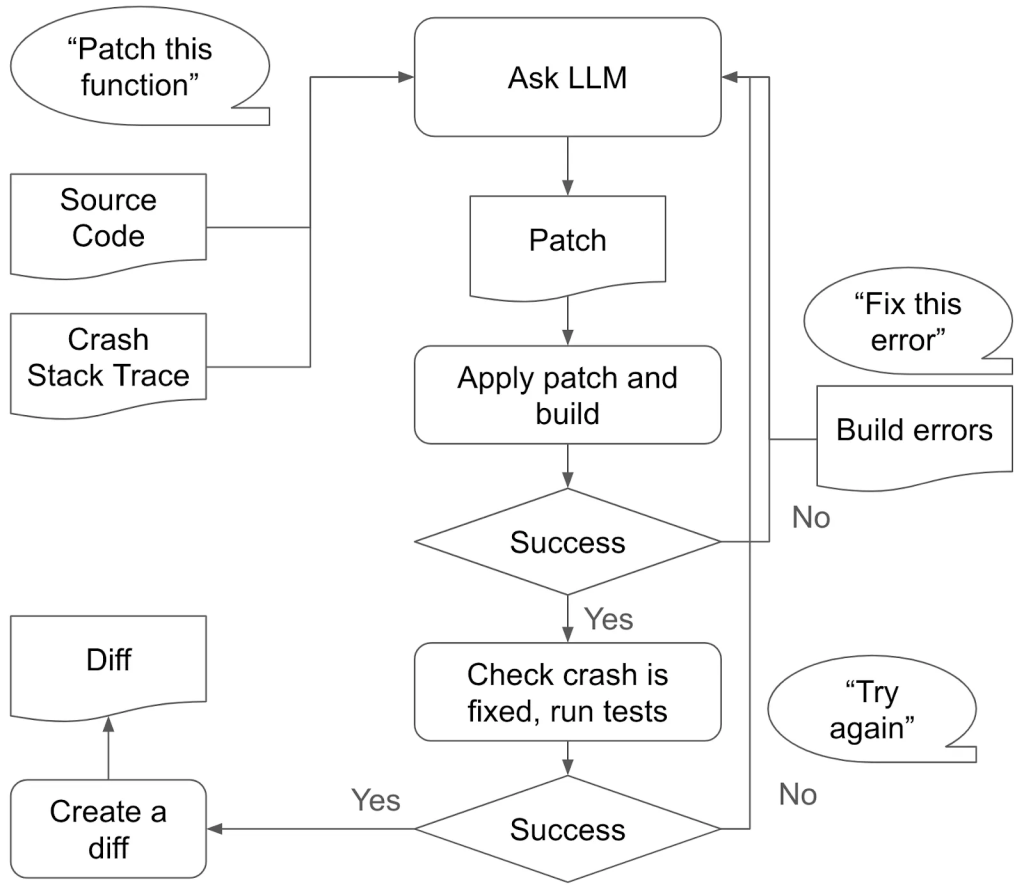
We are introducing AutoPatchBench, a benchmark for the automated repair of vulnerabilities identified through fuzzing. By providing a standardized benchmark, AutoPatchBench enables researchers and practitioners to objectively evaluate and compare the effectiveness of various AI program repair systems. This initiative facilitates the development of more robust security solutions, and also encourages collaboration within the community [...] Read More... The post…
We are inspired by the possibilities of AI to help people be more creative, productive, and stay closely connected on WhatsApp, so we set out to build a new technology that allows our users around the world to use AI in a privacy-preserving way. We’re sharing an early look into Private Processing, an optional capability [...] Read More... The post…
28 Apr 2025
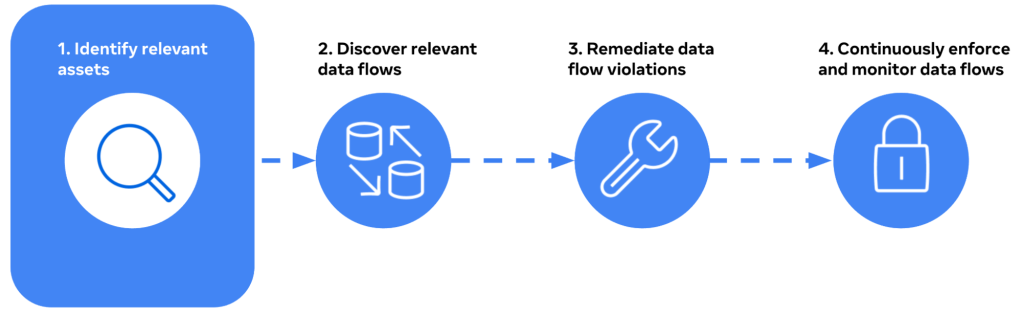
Managing and understanding large-scale data ecosystems is a significant challenge for many organizations, requiring innovative solutions to efficiently safeguard user data. Meta’s vast and diverse systems make it particularly challenging to comprehend its structure, meaning, and context at scale. To address these challenges, we made substantial investments in advanced data understanding technologies, as part of [...] Read More... The post…
2 Apr 2025
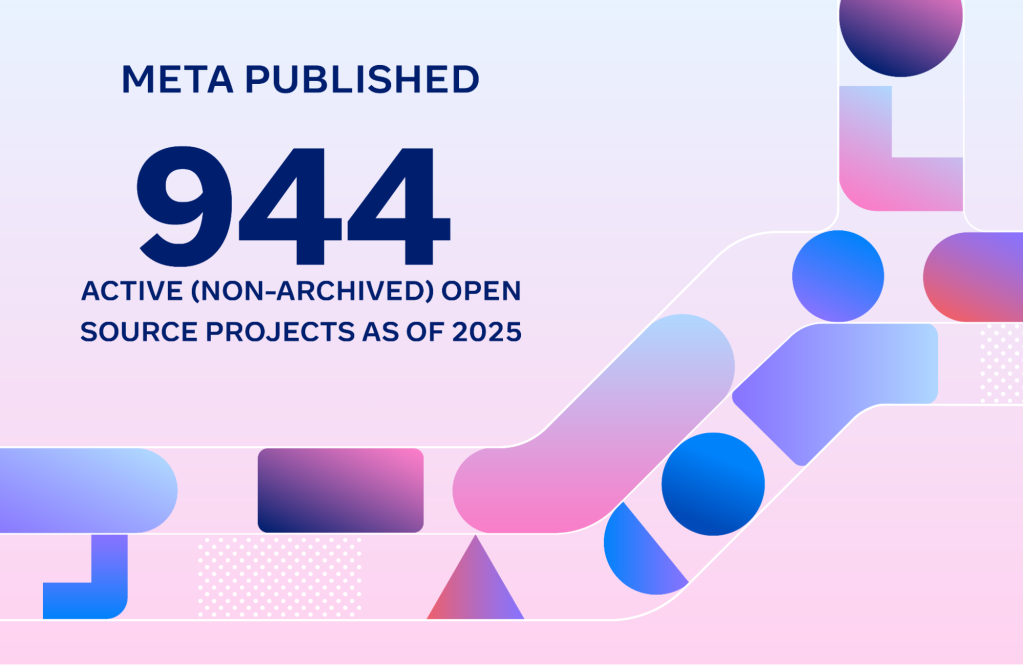
Open source has played an essential role in the tech industry and beyond. Whether in the AI/ML, web, or mobile space, our open source community grew and evolved while connecting people worldwide. At Meta Open Source, 2024 was a year of growth and transformation. Our open source initiatives addressed the evolving needs and challenges of [...] Read More... The post…
31 Mar 2025
Mobile GraphQL is a framework used at Meta for fetching data in mobile applications using GraphQL, a strongly-typed, declarative query language. At Meta it handles data fetching for apps like Facebook and Instagram. Sabrina, a software engineer on Meta’s Mobile GraphQL Platform Team, joins Pascal Hartig on the Meta Tech podcast to discuss the evolution [...] Read More... The post…
4 Mar 2025
Multimodal AI – models capable of processing multiple different types of inputs like speech, text, and images – have been transforming user experiences in the wearables space. With our Ray-Ban Meta glasses, multimodal AI helps the glasses see what the wearer is seeing. This means anyone wearing Ray-Ban Meta glasses can ask them questions about [...] Read More... The post…
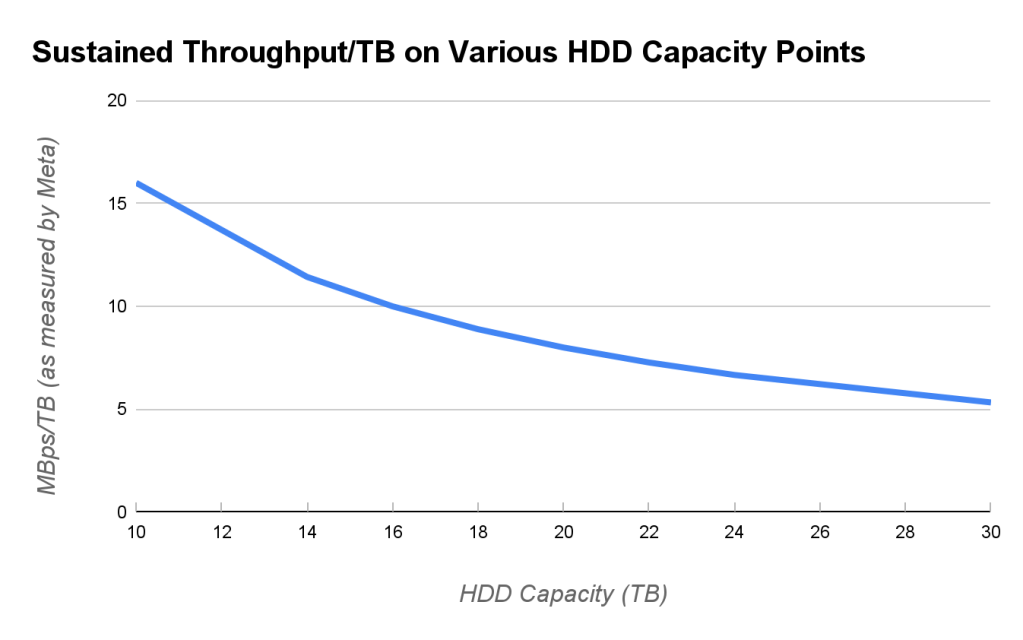
The growth of data and need for increased power efficiency are leading to innovative storage solutions. HDDs have been growing in density, but not performance, and TLC flash remains at a price point that is restrictive for scaling. QLC technology addresses these challenges by forming a middle tier between HDDs and TLC SSDs. QLC [...] Read More... The post A…
25 Feb 2025
Meta has been working to shift its Android codebase from Java to Kotlin, a newer language for Android development that offers some key advantages over Java. We’ve even open sourced various examples and utilities we used to in our migration to manipulate Kotlin code. So how do you translate roughly tens of millions of lines of Java [...] Read More...…
18 Feb 2025
Meta’s Anti Scraping team focuses on preventing unauthorized scraping as part of our ongoing work to combat data misuse. In order to protect Meta’s changing codebase from scraping attacks, we have introduced static analysis tools into our workflow. These tools allow us to detect potential scraping vectors at scale across our Facebook, Instagram, and even [...] Read More... The post…
14 Feb 2025

Today, we’re announcing our most ambitious subsea cable endeavor yet: Project Waterworth. Once complete, the project will reach five major continents and span over 50,000 km (longer than the Earth’s circumference), making it the world’s longest subsea cable project using the highest-capacity technology available. Project Waterworth will bring industry-leading connectivity to the U.S., India, Brazil, [...] Read More... The post…
13 Feb 2025
In 2024, our bug bounty program awarded more than $2.3 million in bounties, bringing our total bounties since the creation of our program in 2011 to over $20 million. As part of our defense-in-depth strategy, we continued to collaborate with the security research community in the areas of GenAI, AR/VR, ads tools, and more. We [...] Read More... The post…
5 Feb 2025
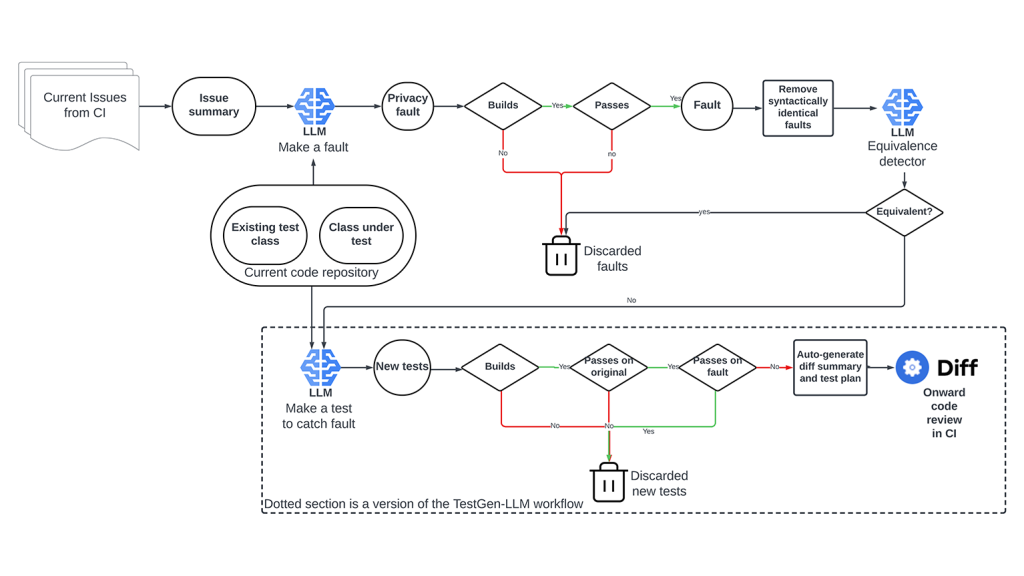
WHAT IT IS Meta’s Automated Compliance Hardening (ACH) tool is a system for mutation-guided, LLM-based test generation. ACH hardens platforms against regressions by generating undetected faults (mutants) in source code that are specific to a given area of concern and using those same mutants to generate tests. When applied to privacy, for example, ACH automates [...] Read More... The post…
4 Feb 2025
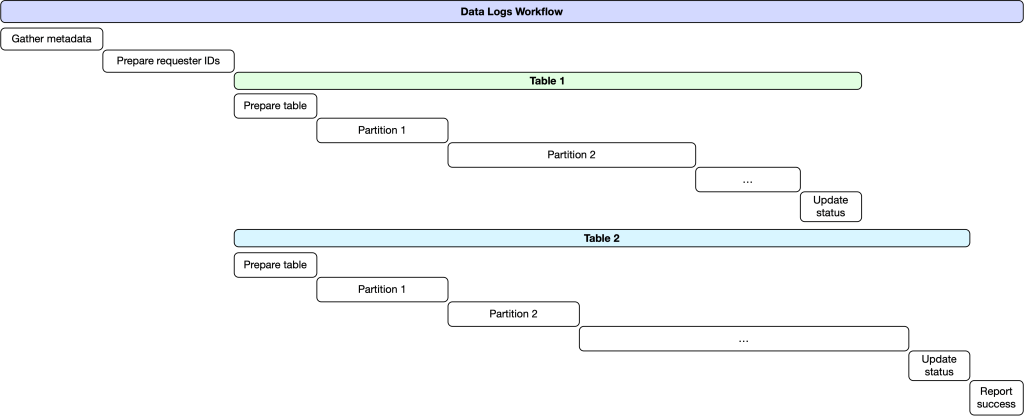
We’re sharing how Meta built support for data logs, which provide people with additional data about how they use our products. Here we explore initial system designs we considered, an overview of the current architecture, and some important principles Meta takes into account in making data accessible and easy to understand. Users have a variety [...] Read More... The post…
3 Feb 2025
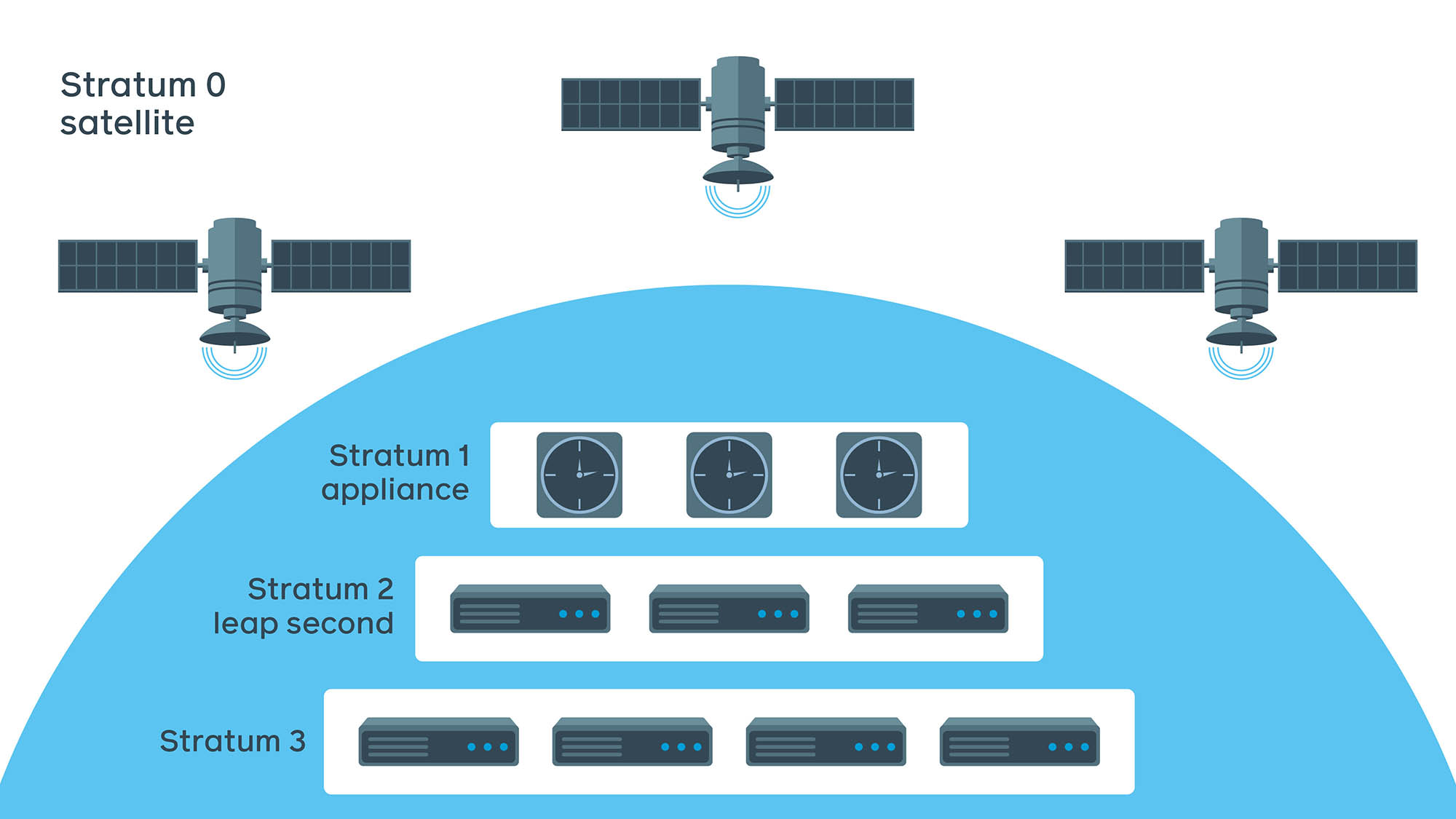
We’ve previously described why we think it’s time to leave the leap second in the past. In today’s rapidly evolving digital landscape, introducing new leap seconds to account for the long-term slowdown of the Earth’s rotation is a risky practice that, frankly, does more harm than good. This is particularly true in the data center [...] Read More... The post…
24 Jan 2025
Introducing a new Android UI framework like Jetpack Compose into an existing app is more complicated than importing some AARS and coding away. What if your app has specific performance goals to meet? What about existing design components, integrations with navigation, and logging frameworks? On this episode of the Meta Tech Podcast Pascal Hartig is [...] Read More... The post…
23 Jan 2025
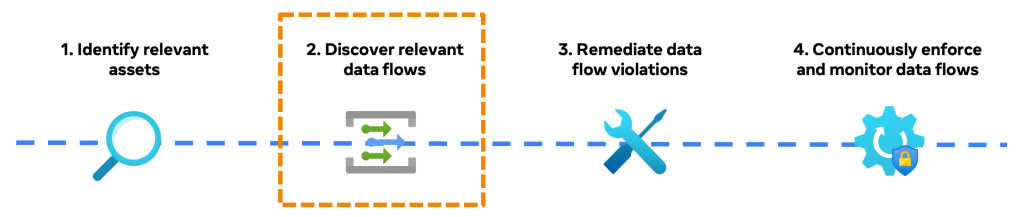
Data lineage is an instrumental part of Meta’s Privacy Aware Infrastructure (PAI) initiative, a suite of technologies that efficiently protect user privacy. It is a critical and powerful tool for scalable discovery of relevant data and data flows, which supports privacy controls across Meta’s systems. This allows us to verify that our users’ everyday interactions [...] Read More... The post…
21 Jan 2025
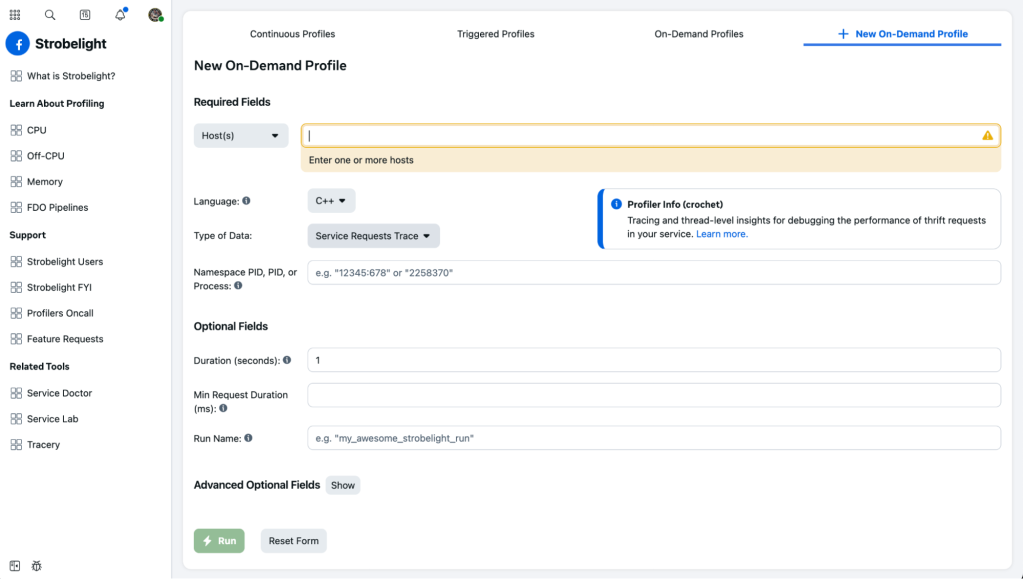
We’re sharing details about Strobelight, Meta’s profiling orchestrator. Strobelight combines several technologies, many open source, into a single service that helps engineers at Meta improve efficiency and utilization across our fleet. Using Strobelight, we’ve seen significant efficiency wins, including one that has resulted in an estimated 15,000 servers’ worth of annual capacity savings. Strobelight, Meta’s [...] Read More... The post…
16 Jan 2025
Do types actually make developers more productive? Or is it just more typing on the keyboard? To answer that question we’re revisiting Diff Authoring Time (DAT) – how Meta measures how long it takes to submit changes to a codebase. DAT is just one of the ways we measure developer productivity and this latest episode [...] Read More... The post…
10 Jan 2025
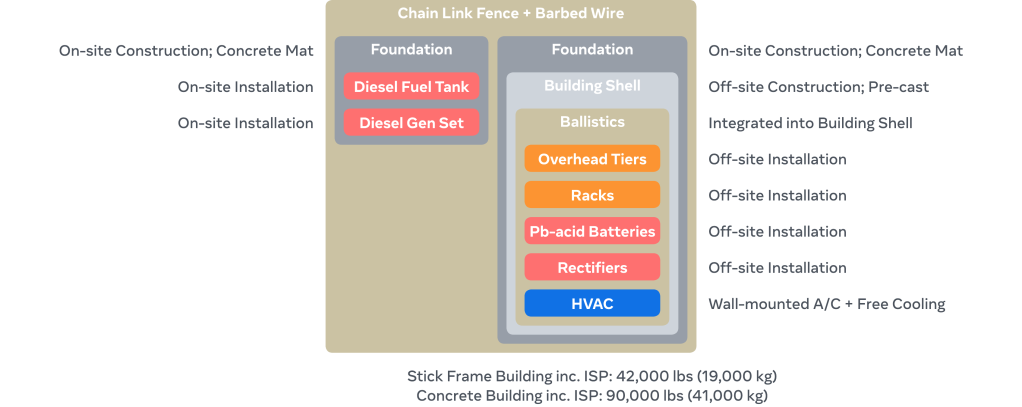
Today’s rapidly evolving landscape of use cases that demand highly performant and efficient network infrastructure is placing new emphasis on how in-line amplifiers (ILAs) are designed and deployed. Meta’s ILA Evo effort seeks to reimagine how an ILA site could be deployed to improve speed and cost while making a step function improvement in power [...] Read More... The post…
19 Dec 2024

We’re sharing details about Glean, Meta’s open source system for collecting, deriving, and working with facts about source code. In this blog post we’ll talk about why a system like Glean is important, explain the rationale for Glean’s design, and run through some of the ways we’re using Glean to supercharge our developer tooling at [...] Read More... The post…