We’re rolling out version 1.1 of Labyrinth, the encrypted storage system and protocol that secures messages and history on Messenger. Labyrinth 1.1 enhances the reliability of end-to-end encrypted backups with a new sub-protocol that helps messages survive the loss of a device, a switched device, and long gaps between sign-ins. Read our updated white paper, [...] Read More... The post…
#security privacy
21 posts
11 May
1 May
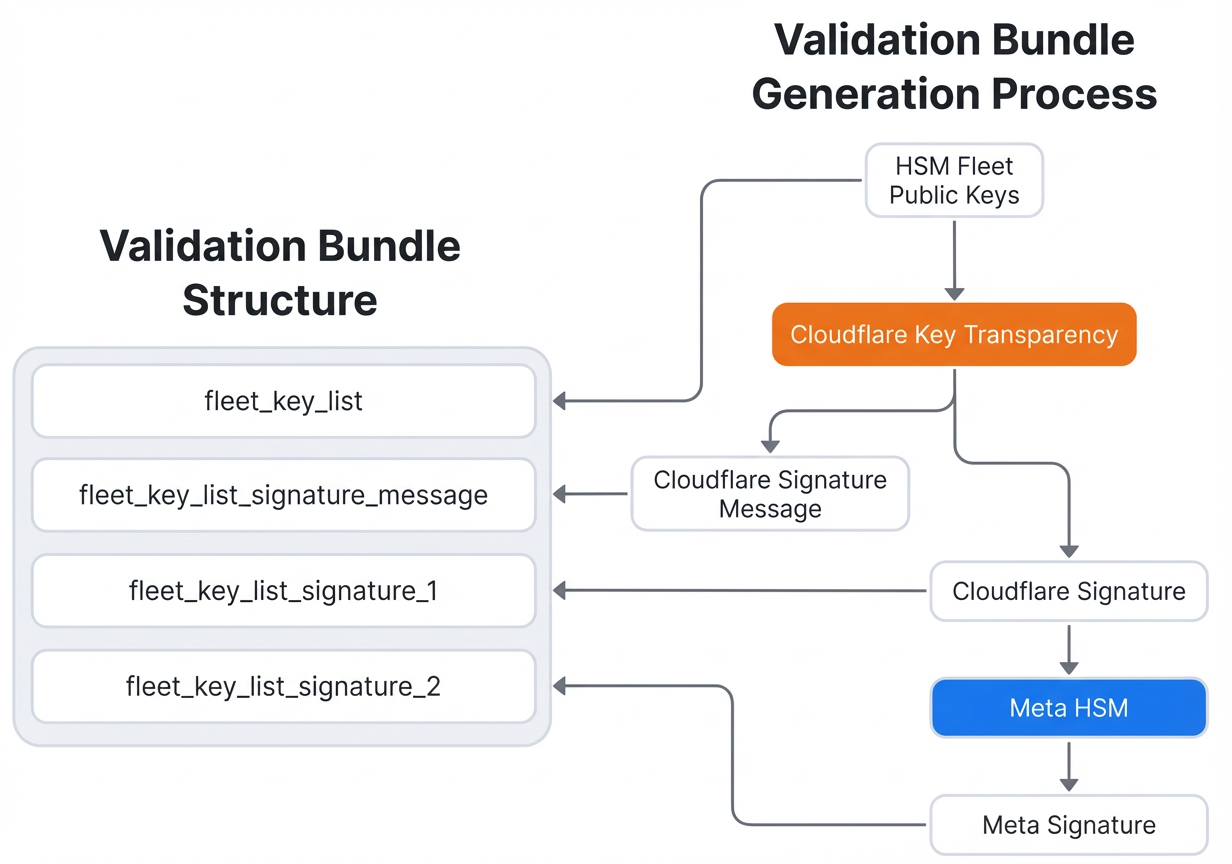
The HSM-based Backup Key Vault Meta’s HSM-based Backup Key Vault provides the foundation for end-to-end encrypted backups for WhatsApp and Messenger. The system allows people to protect their backed-up message history with a recovery code, ensuring that the recovery code is stored in tamper-resistant hardware security modules (HSMs) and is inaccessible to Meta, cloud storage [...] Read More... The post…
16 Apr
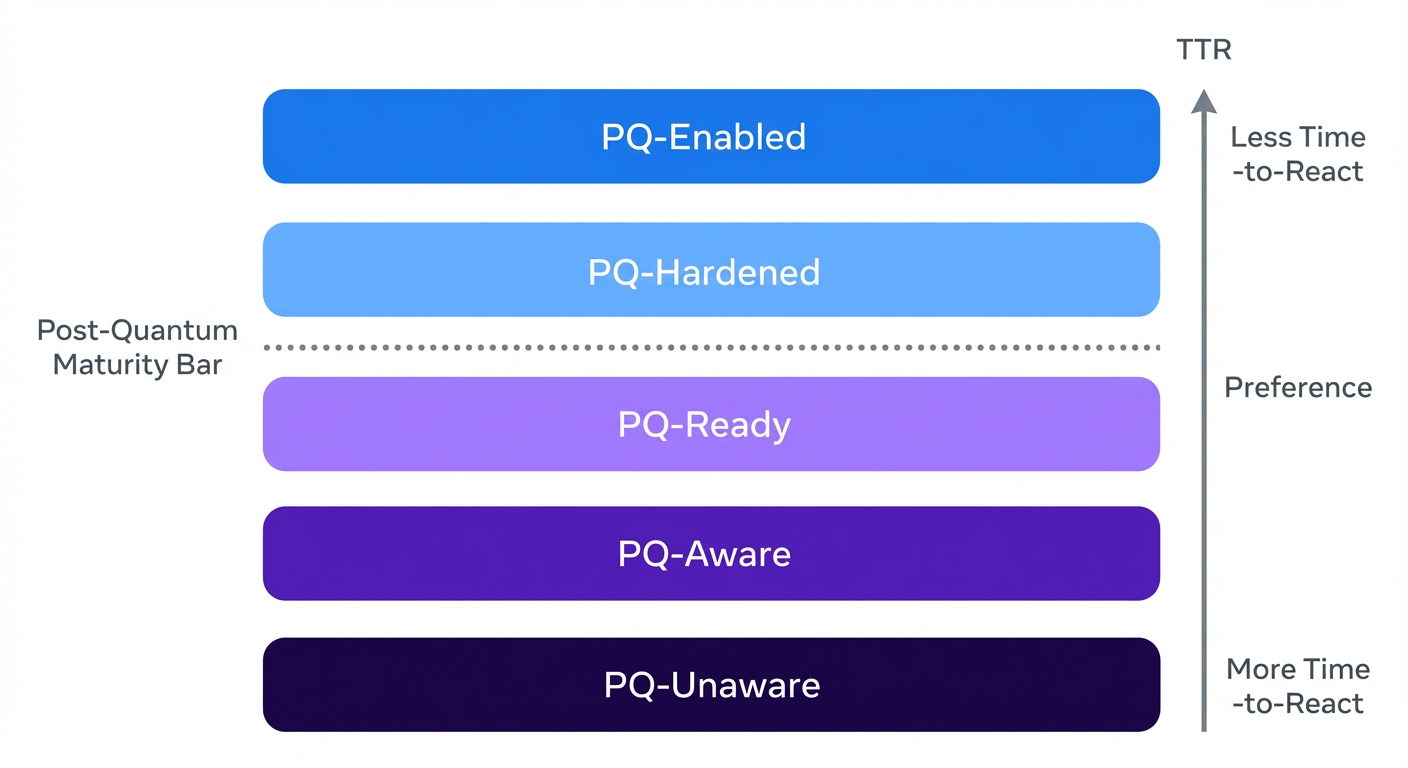
We’re sharing lessons learned from Meta’s post-quantum cryptography (PQC) migration to help other organizations strengthen their resilience as industry transitions to post-quantum cryptography standards. We’re proposing the idea of PQC Migration Levels to help teams within organizations manage the complexity of PQC migration for their various use cases. By outlining Meta’s approach to this work [...] Read More... The post…
8 Apr
As AI increases developer speed and productivity it also increases the need for safeguards. On this episode of the Meta Tech Podcast, Pascal Hartig sits down with Ishwari and Joe from Meta’s Configurations team to discuss how Meta makes config rollouts safe at scale. Listen in to learn about canarying and progressive rollouts, the health checks [...] Read More... The…
13 Mar
Even seemingly simple engineering tasks — like updating an API — can become monumental undertakings when you’re dealing with millions of lines of code and thousands of engineers, especially if the changes are security-related. Nowhere is this more apparent than in mobile security, where a single class of vulnerability can be replicated across hundreds of [...] Read More... The post…
9 Mar
We’re sharing the technical details behind how Advanced Browsing Protection (ABP) in Messenger protects the privacy of the links clicked on within chats while still warning people about malicious links. We hope that this post has helped to illuminate some of the engineering challenges and infrastructure components involved for providing this feature for our users. [...] Read More... The post…
4 Feb
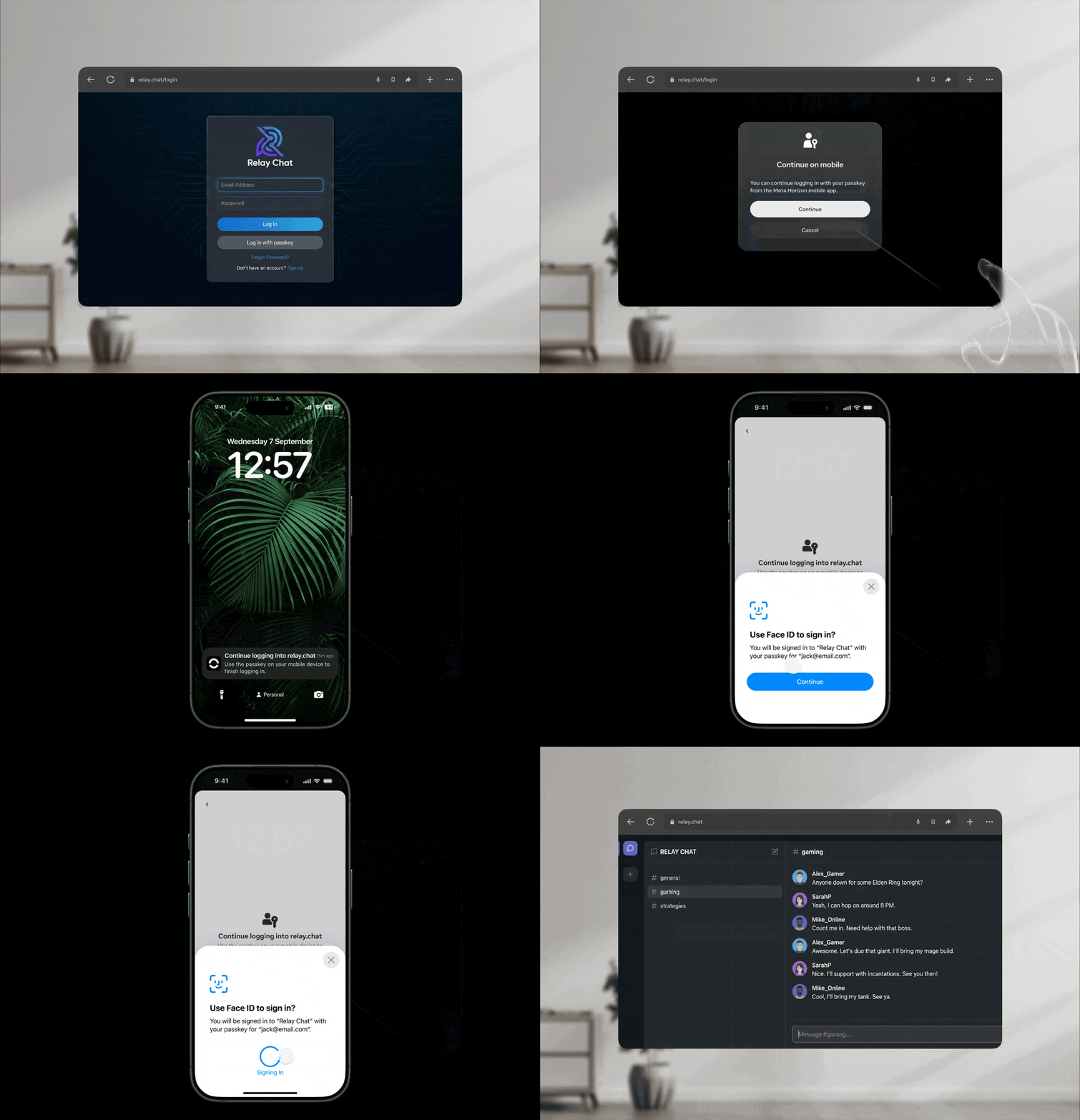
We’re sharing a novel approach to enabling cross-device passkey authentication for devices with inaccessible displays (like XR devices). Our approach bypasses the use of QR codes and enables cross-device authentication without the need for an on-device display, while still complying with all trust and proximity requirements. This approach builds on work done by the FIDO [...] Read More... The post…
27 Jan
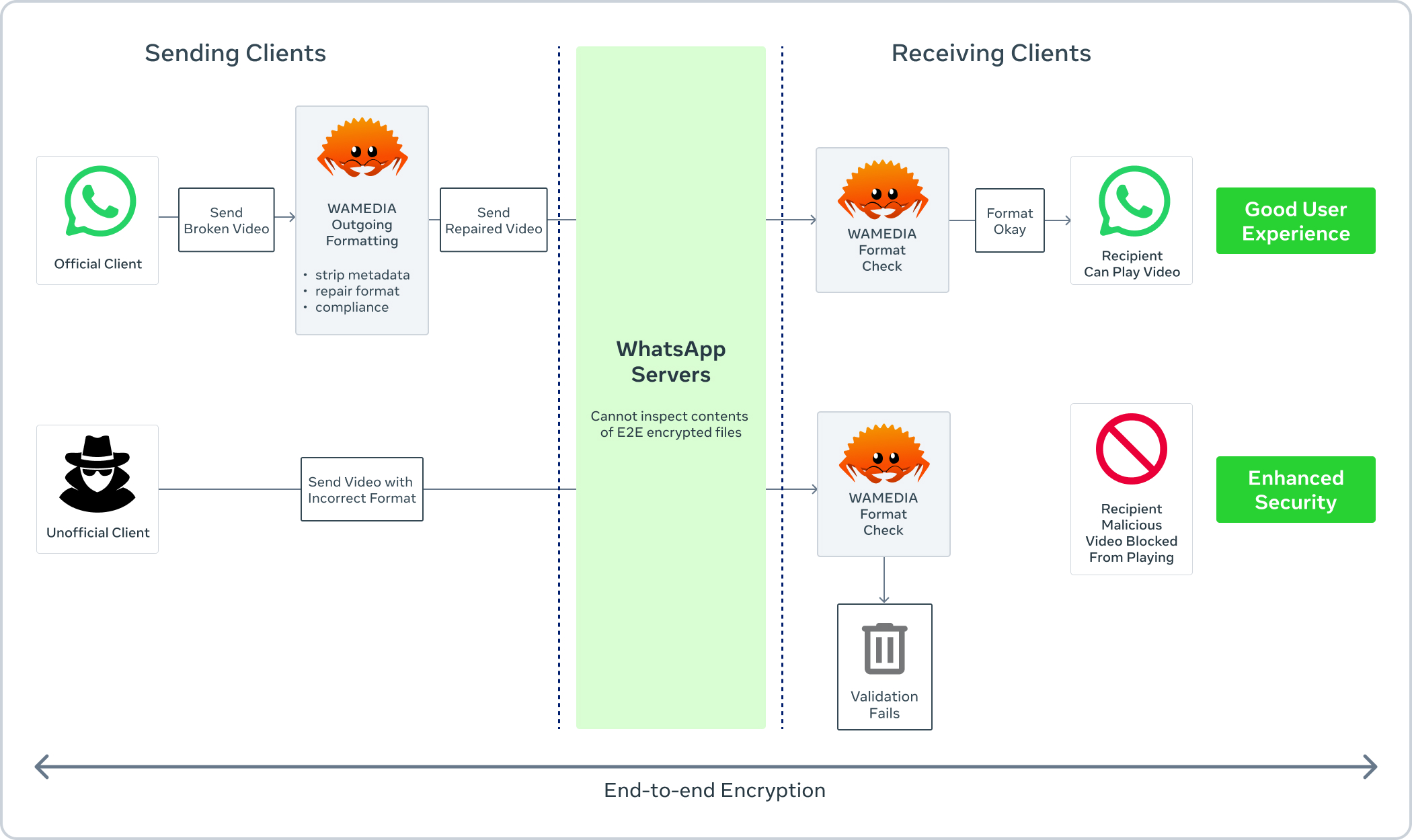
WhatsApp has adopted and rolled out a new layer of security for users – built with Rust – as part of its effort to harden defenses against malware threats. WhatsApp’s experience creating and distributing our media consistency library in Rust to billions of devices and browsers proves Rust is production ready at a global scale. [...] Read More... The post…
15 Dec 2025

Meta’s secure-by-default frameworks wrap potentially unsafe OS and third-party functions, making security the default while preserving developer speed and usability. These frameworks are designed to closely mirror existing APIs, rely on public and stable interfaces, and maximize developer adoption by minimizing friction and complexity. Generative AI and automation accelerate the adoption of secure frameworks at [...] Read More... The post…
20 Nov 2025
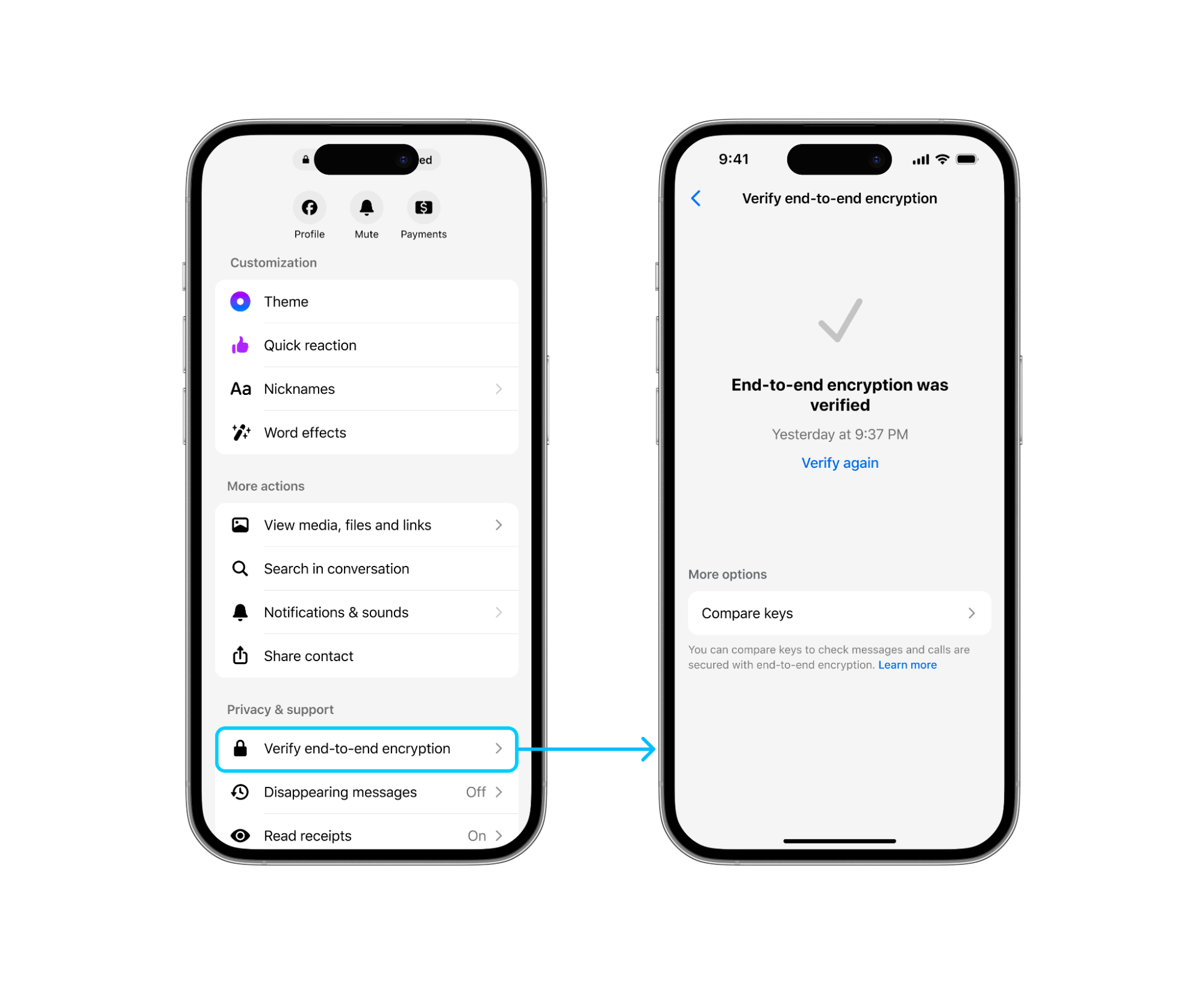
We’re excited to share another advancement in the security of your conversations on Messenger: the launch of key transparency verification for end-to-end encrypted chats. This new feature enables an additional level of assurance that only you — and the people you’re communicating with — can see or listen to what is sent, and that no [...] Read More... The post…
23 Oct 2025
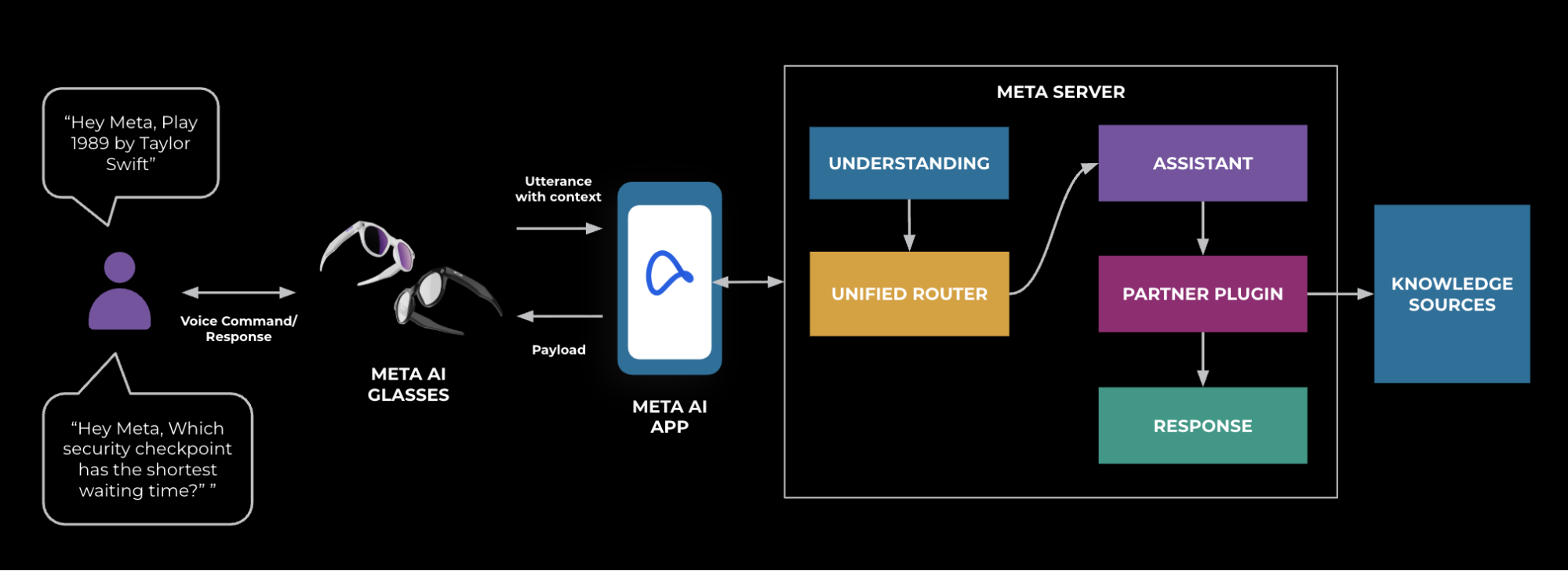
How does Meta empower its product teams to harness GenAI’s power responsibly? In this post, we delve into how Meta addresses the challenges of safeguarding data in the GenAI era by scaling its Privacy Aware Infrastructure (PAI), with a particular focus on Meta’s AI glasses as an example GenAI use case. We’ll describe in detail [...] Read More... The post…
30 Sept 2025
Following our keynote presentations at FSE 2025 and Eurostar 2025, we’re delving further into the development of Meta’s Automated Compliance Hardening (ACH) tool, an LLM-based tool for software testing that is automating aspects of compliance adherence at Meta, while accelerating developer and product velocity. By leveraging LLMs we’ve been able to overcome the barriers that [...] Read More... The post…
11 Aug 2025
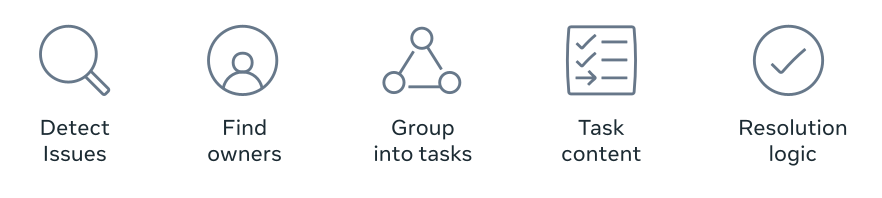
Federation Platform and Privacy Waves: How Meta distributes compliance-related tasks at scale
FacebookWe’re exploring Meta’s Federation Platform, a scalable set of tools for managing compliance-related tasks, along with Privacy Waves, our method for batching these tasks and ensuring accountability. Together, the Federation Platform and Privacy Waves create a structured, effective, and sustainable approach to operationalizing privacy work, enabling Meta to safeguard user data for the billions of [...] Read More... The post…
23 Jul 2025
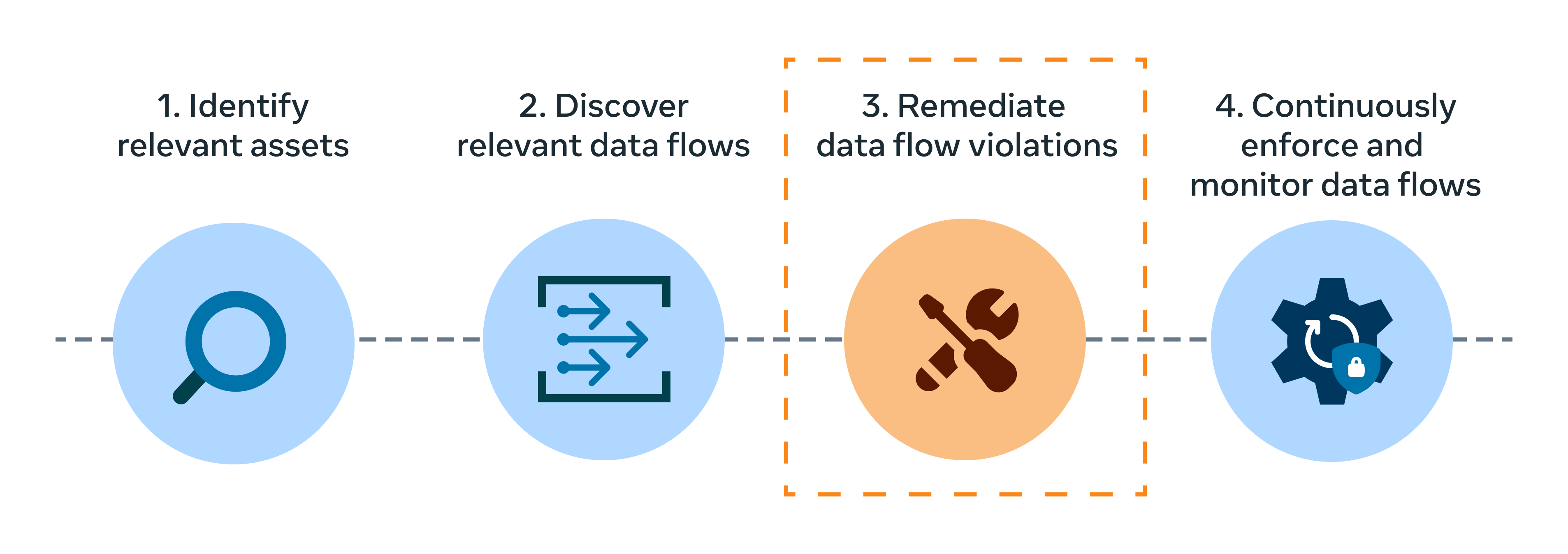
Meta has developed Privacy Aware Infrastructure (PAI) and Policy Zones to enforce purpose limitations on data, especially in large-scale batch processing systems. Policy Zones integrates with Meta’s exabyte-scale data warehouse and processing systems, using runtime enforcement and SQL parsing to propagate and enforce privacy annotations across millions of daily data flows per day, performing trillions [...] Read More... The post…
29 Apr 2025
We are inspired by the possibilities of AI to help people be more creative, productive, and stay closely connected on WhatsApp, so we set out to build a new technology that allows our users around the world to use AI in a privacy-preserving way. We’re sharing an early look into Private Processing, an optional capability [...] Read More... The post…
28 Apr 2025
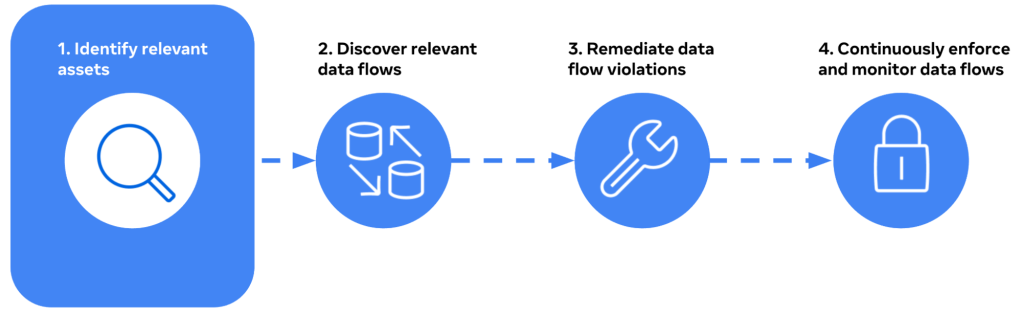
Managing and understanding large-scale data ecosystems is a significant challenge for many organizations, requiring innovative solutions to efficiently safeguard user data. Meta’s vast and diverse systems make it particularly challenging to comprehend its structure, meaning, and context at scale. To address these challenges, we made substantial investments in advanced data understanding technologies, as part of [...] Read More... The post…
18 Feb 2025
Meta’s Anti Scraping team focuses on preventing unauthorized scraping as part of our ongoing work to combat data misuse. In order to protect Meta’s changing codebase from scraping attacks, we have introduced static analysis tools into our workflow. These tools allow us to detect potential scraping vectors at scale across our Facebook, Instagram, and even [...] Read More... The post…
13 Feb 2025
In 2024, our bug bounty program awarded more than $2.3 million in bounties, bringing our total bounties since the creation of our program in 2011 to over $20 million. As part of our defense-in-depth strategy, we continued to collaborate with the security research community in the areas of GenAI, AR/VR, ads tools, and more. We [...] Read More... The post…
5 Feb 2025
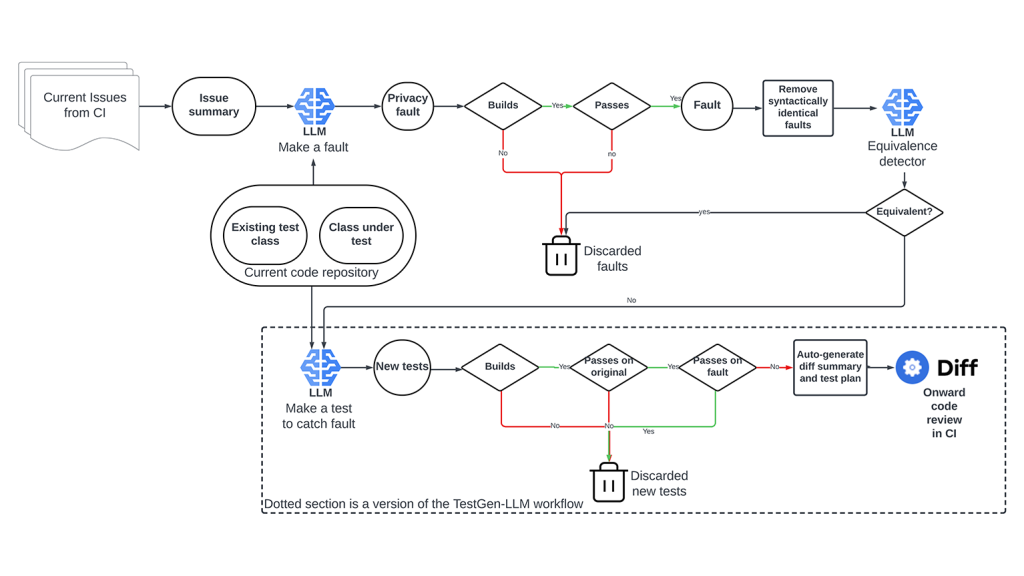
WHAT IT IS Meta’s Automated Compliance Hardening (ACH) tool is a system for mutation-guided, LLM-based test generation. ACH hardens platforms against regressions by generating undetected faults (mutants) in source code that are specific to a given area of concern and using those same mutants to generate tests. When applied to privacy, for example, ACH automates [...] Read More... The post…
4 Feb 2025
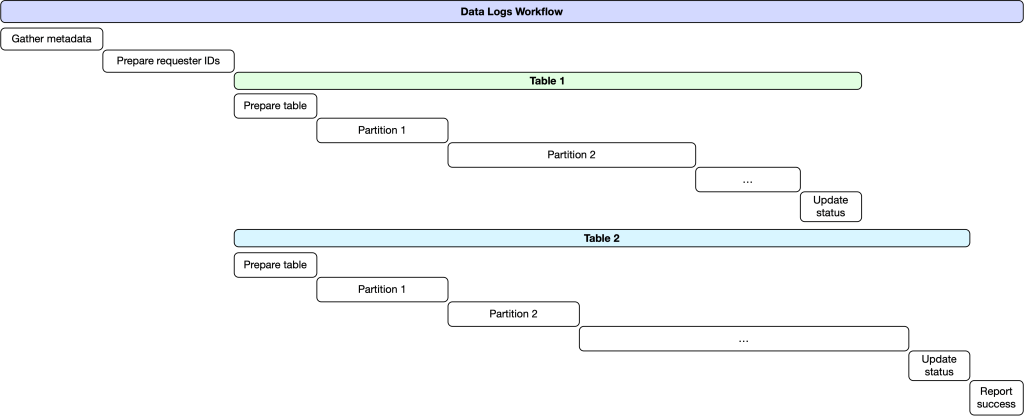
We’re sharing how Meta built support for data logs, which provide people with additional data about how they use our products. Here we explore initial system designs we considered, an overview of the current architecture, and some important principles Meta takes into account in making data accessible and easy to understand. Users have a variety [...] Read More... The post…
23 Jan 2025
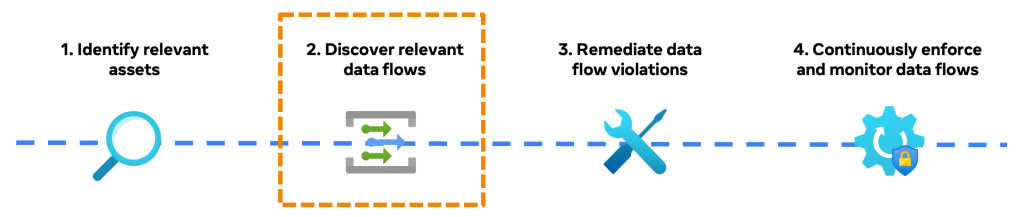
Data lineage is an instrumental part of Meta’s Privacy Aware Infrastructure (PAI) initiative, a suite of technologies that efficiently protect user privacy. It is a critical and powerful tool for scalable discovery of relevant data and data flows, which supports privacy controls across Meta’s systems. This allows us to verify that our users’ everyday interactions [...] Read More... The post…