Model Context Protocol (MCP) has, almost overnight, become a mainstay for developer tools and enterprise AI workflows. Anthropic open-sourced MCP in late 2024 and later donated it to the recently established Agentic AI Foundation (AAIF), a Linux Foundation project. As AI agents and large language model (LLM) applications start to put MCP servers into use, ...
#ai agents
66 posts
4 Jun
2 Jun
A developer can ship an MCP server in an afternoon. Getting that same server running in regulated production, with credentials provisioned, access controls enforced, and security sign-off obtained, takes weeks. This post walks through the six challenges teams hit when scaling enterprise MCP deployments from prototype to production, the fix for each, a posture assessment ...
26 May
AI agents are pieces of software that autonomously perform actions to achieve a goal or objective. They operate in loops where they analyze input, such as prompts, context, tools, and memory. They then plan, take actions, and feed the output back into the loop to decide how to proceed. In this way, agents can dynamically ...
22 May
Breaking your AI storage bottlenecks
Stack OverflowRecorded at HumanX, Ryan sits down with Garima Kapoor and Anand Babu Periasamy, co-founders and co-CEOs of MinIO, to chat about eliminating the storage bottlenecks that leave GPUs underutilized, their partnership with NVIDIA on the new STX reference architecture, and why modern AI infrastructure is converging on S3-compatible object storage. …
20 May
The application and API security industries are rethinking access control for AI agents. However, the underlying foundations remain the same ones the industry has relied on for years. What’s changing is how and when those foundations are applied. Depending on the use case, a given approach may work best at runtime, with proper contextual signals, ...
19 May
API keys often give a false sense of security: it seems like they protect access to APIs. Yet, there are plenty of API key security risks. For one, they’re simply static strings that are often exposed, leaked, and end up helping attackers. As such, leaky API keys are at the heart of many of today’s ...
18 May
Agentic AI certainly dominated the theme of apidays New York, an event that brought together some of the API industry’s top thinkers and implementers for two days in mid-May 2026. It’s clear that APIs are still as important as ever, but they are now being repositioned as an execution layer for this new paradigm. In ...
14 May
The age of AI is well upon us. According to research by Microsoft, 24.7% of the working age population in the Global North is using AI, paired with 14.1% of the Global South. As AI adoption increases, organizations are increasingly finding their minds focused on not just the potential upside of AI, but on the ...
13 May
In February 2026, Peter Steinberger, the creator of OpenClaw, told Lex Fridman that the best tool for agentic AI has been on their desktop for 50 years. According to him, the simple command line interface (CLI) is the ideal tool for working with today’s non-deterministic technologies. The modular architecture of AI, LLMs, and agents require ...
12 May

In many existing systems, enterprise data uses only basic security protections. For example, the backend of a web application might call an API and use an API key to secure the request. The solution may seem secure enough, since the web application only calls a subset of API endpoints and the user seems constrained by ...
8 May
No Dumb Questions: What is an MCP server and why do I care?
Stack OverflowWelcome to No Dumb Questions, a column where our least technical writer asks our technical staff the simple, basic tech questions people are afraid to ask. In this first entry, Stack's Director of Ecosystem Strategy Ben Marconi teaches us the basics of MCP servers and why they matter. …
7 May
Thanks to pioneers like Twilio and Stripe, API products have redefined what a great developer experience (DX) looks like. These companies have demonstrated how targeted API products, along with exceptional documentation and onboarding, can make developers enthusiastic advocates for their brands. However, the API product market is shifting — the rise of AI agents means ...
6 May
Between August 9 and August 17, 2025, malicious actors were able to export data from over 700 organizations. To make matters worse, the breach, referred to as UNC6395, was caused by insecure tokens leaked by a third-party app called Salesloft. As a representative from Google put it in a statement, “After the data was exfiltrated, ...
5 May
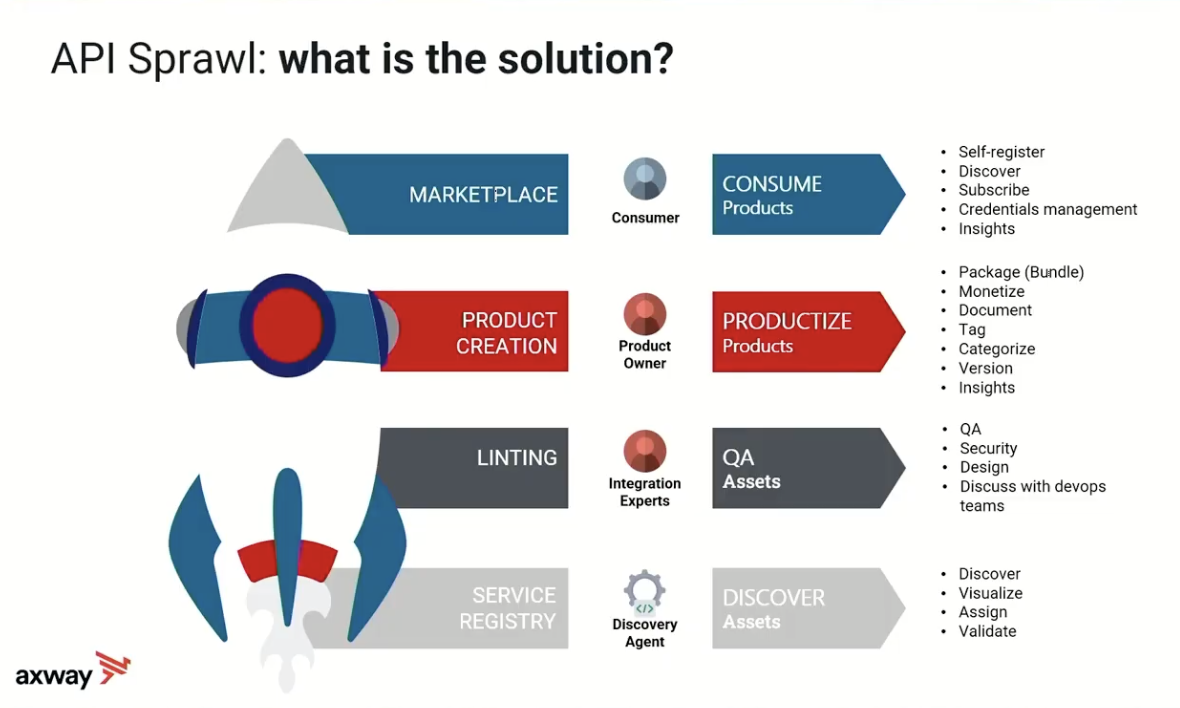
“REST is dead.” “MCP will be gone within a year”. “Tooling is the new sprawl layer.” These are all takes we’ve read recently on the issues people are facing when it comes to connecting AI to APIs. Kelsey Hightower, for example, recently opened some interesting debate around the future of REST and MCP on Bluesky ...
4 May
Build intelligent AI agents in .NET with the Microsoft Agent Framework. Learn how to create agents with tools, multi-turn conversations, memory, and graph-based workflows that bring together the building blocks from Parts 1 and 2. The post Microsoft Agent Framework – Building Blocks for AI Part 3 appeared first on .NET Blog.
30 Apr
At PayPalDevDay 2025, PayPal’s Nathaniel Olson discussed a familiar problem. When he asked an AI coding assistant to build a product involving APIs, it was far too common for the AI to use outdated APIs rather than the most current iterations. It’s not that the official documentation or SDKs weren’t up-to-date, it’s the fact that ...
28 Apr
In February 2026, nearly 3,000 Google API keys were accidentally exposed. Data breaches are always damaging, but a data breach due to an authenticated, active API key can be catastrophic. An active API key allows actors to access uploaded files, cached data, and charge LLM-usage to your account, as noted by cybersecurity researcher Joe Leon. ...
23 Apr

Since the advent of the internet, software developers have used online assistants, like search engines, to improve their time to market. In the AI era, you can think of AI agents as a new type of user agent that goes beyond the capabilities of search engines to perform concrete tasks and provide further efficiency improvements. ...
22 Apr
At some point or another, most software developers find themselves at a career crossroads. In one direction is comfort, ease, and predictability. In the other? Challenge, intention, and responsibility. (And, yes, higher salaries to go along with them.) That second route is what happens when developers start to think more deeply about the systems behind ...
21 Apr
Analysts are predicting that the digital economy is growing at three times the rate of national GDPs, driven largely by AI in various ways. Some speculators think AI-enhanced workplaces could generate nearly USD $4.91 trillion by 2026. With that kind of money involved, it’s no surprise that a whole new financial ecosystem is emerging around ...
16 Apr
“Web APIs today are broken.” A bold statement made by Microsoft’s Darrel Miller during his talk at the November 2025 A2ASummit. It’s a sentiment shared by many industry leaders. The interfaces that we see as the glue holding the digital world together have become too brittle to support modern applications, especially those powered by AI. ...
14 Apr
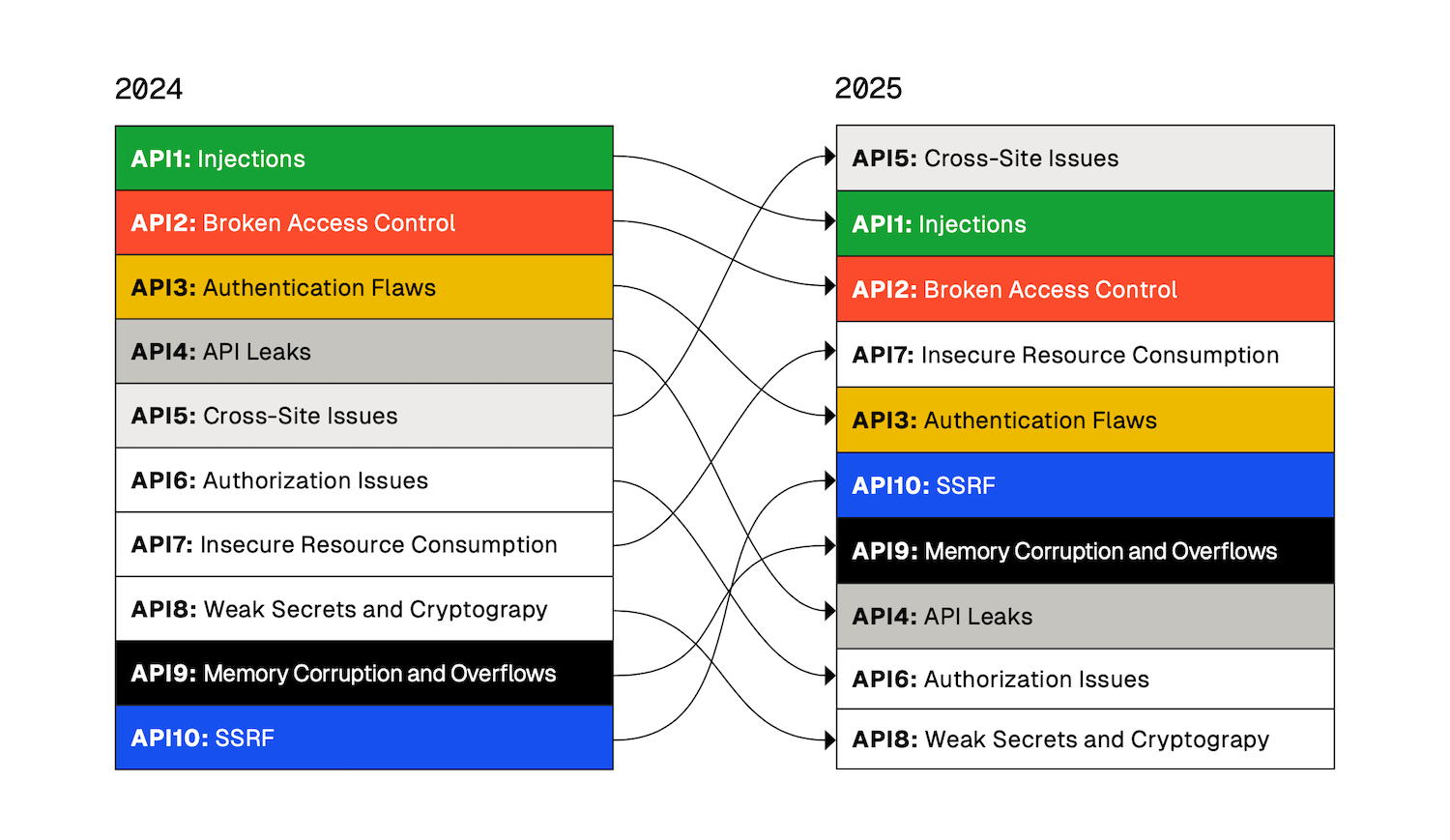
New data underscores what many of us have known all along: APIs are now the most common doorway for attackers. But while the reigning API security risks may not look all that new, the new technology around agentic AI, like Model Context Protocol (MCP), seems to be disproportionately exacerbating classic API- and application-level security gaps. ...
9 Apr
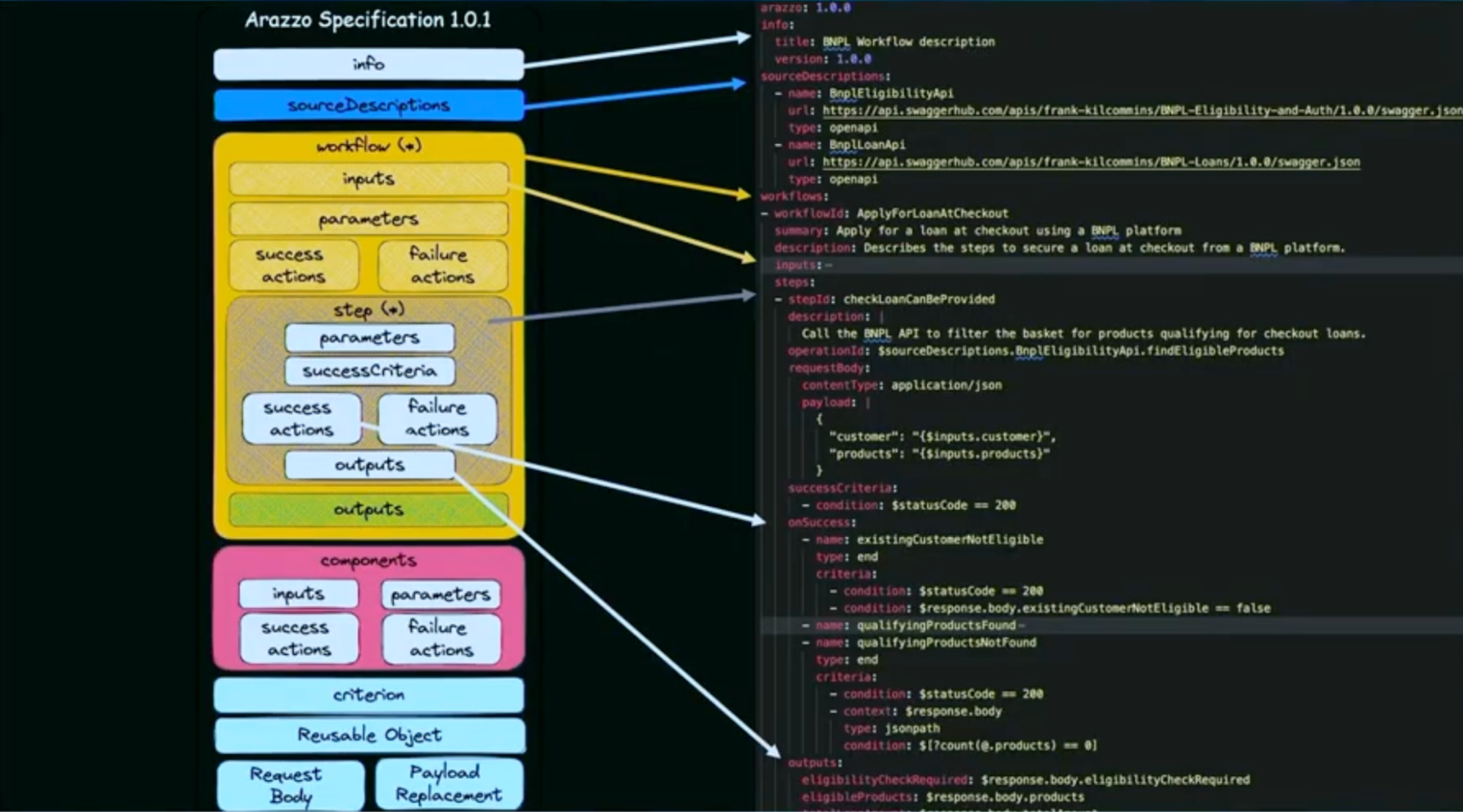
In recent months, the hype machine around agentic API consumption has been working overtime. In 2025, Kong reported that as many as 90% of enterprises are actively adopting AI agents and 79% expect full-scale adoption within three years. The agents aren’t coming; they’re here. The importance of agent experience has taken center stage, while AI ...
8 Apr
It’s 2026, and if you follow the tech industry, you are likely already familiar with terms like MCP servers and clients, LLMs, AI agents, and RAG applications. These components represent the visible surface when it comes to the AI conversation. But have you ever stopped to consider the underlying infrastructure that actually makes these technologies ...
1 Apr
In October 2025, Anthropic released Agent Skills as a feature for Claude. Within two months, early Agentic Skills had been built by partners like Atlassian, Figma, Canva, Stripe, Notion, and Zapier. How did a brand-new feature evolve into a pattern adopted so quickly across the enterprise? The rapid ascent of agent skills speaks to their ...
25 Mar
When it comes to APIs, security has always been a serious concern. Developers who design and build APIs strive to mitigate vulnerabilities before attackers find them. Consumers want to be reassured that the APIs their applications integrate with won’t compromise data or application integrity. However, the rise of AI has led to new and evolving ...
24 Mar
On January 7, 2026, Dr. Wayne Liu, president and chief growth officer of Perfect Corp., delivered a presentation at the Consumer Electronics Show (CES) titled “API-First Innovation: Scalable AI for the Modern Beauty Shopper,” discussing the many different ways that AI is impacting the beauty industry. In the process, he makes a case for our ...
19 Mar
Model Context Protocol (MCP) has been absolutely everywhere since it was first released in November 2024. Sometimes referred to as the “USB-C of AI,” MCP has come forward to help tame some of AI’s most glaring issues, namely a lack of standardization around integration as well as the context to understand what it’s accessing. Given ...
17 Mar
If you build distributed applications, you’re likely already familiar with microservices. While the definition varies across the tech industry, I prefer the one from Sam Newman’s book Building Microservices. In it, he concisely describes microservices as “small, autonomous services that work together.” The concepts of microservices have been around for about fifteen years now. However, ...
4 Mar
The evolution of the modern enterprise is often marked by a transition from streamlined simplicity to architectural fragmentation. What begins as a strategic move toward distributed systems frequently devolves into gateway sprawl, a phenomenon where decentralized business units adopt distinct API tools based on localized budgets, engineering preferences, or specific technical requirements. While this flexibility ...
3 Mar
In years gone by, API specifications and developer portals were created for developers’ eyes only. It wasn’t unusual for them to include the occasional joke or pop culture reference, or omit context that any qualified API consumer would easily be able to infer. While the introduction of standards like OpenAPI has already systematized and sanitized ...
26 Feb
Agentic AI systems promise something beyond single-turn inference. They can provide persistence, autonomy, and the ability to plan and act across time. However, anyone who’s tried to wire real APIs into an agent quickly discovers an uncomfortable reality. Even well-trained models can become jerky, brittle, or outright wrong once network calls, retries, partial failures, and ...
24 Feb
When building agentic AI systems that interact with APIs and other services, securely managing JSON Web Tokens (JWTs) becomes a critical part of the architecture. Unlike traditional web applications, agentic AI can operate autonomously, invoking APIs, making decisions, and passing sensitive information without direct human supervision. These nuances create unique authorization challenges around how JWTs ...
17 Feb
In recent months, we’ve been writing extensively about some of the exciting possibilities offered by artificial intelligence and the agentic consumption of APIs, from new routes to monetization via AI through to more efficient workflows. But there are downsides to consider here, too. Large language models (LLMs) have a habit of disregarding the API contract, ...
12 Feb
Model Context Protocol (MCP) has made huge waves in the industry as of late. Since MCP makes it incredibly easy to point agentic implementations towards tools and resources, it’s been used for everything from context-driven customer service tools to order fulfillment backends. One of the most interesting use cases, and one that is currently emerging ...
5 Feb
Building API-first is an incredibly powerful strategy — it brings a ton of value to organizations seeking to make their data and APIs more consumable, more useful, and more valuable. Interestingly, however, it seems like API-first has another huge benefit: AI-first. So what does it mean to be API-first, and what benefits does this carry ...
4 Feb
It is no longer a secret that AI and APIs are intimately connected. Whether it’s building foundational infrastructure or powering MCP servers, APIs are the essential building blocks. However, for AI to deliver a positive impact, these APIs require rigorous governance and management. APIs serve as the technical key to an AI initiative and provide ...
3 Feb
Imagine you’re a developer working with multiple AI agents based on large language models (LLMs). On Monday morning, your client asks you to connect an AI coding assistant to access GitHub issues, Jira tickets, and internal documentation via MCP-powered tools. That’s where a centralized MCP tool registry comes into play. Instead of spending hours browsing ...
29 Jan
Agentic AI is an incredibly powerful frontier technology, and it’s actively changing the tech landscape day by day. One of the most significant changes is that APIs are no longer solely called by deterministic code developed and reviewed by humans. Instead, APIs are being actively and frequently called, explored, linked, and even adapted by autonomous ...
27 Jan
For much of their history, APIs have quietly powered the online world we depend on. They form the invisible framework connecting applications, synchronizing data, and automating workflows. Once considered a technical necessity, APIs have now evolved from backend utilities into strategic assets that sit at the core of digital transformation. The growth of AI has ...
22 Jan
There’s nothing particularly new about APIs calling it quits and closing up shop. Twitter, for example, ended free access to its API in 2023 as part of a monetization push by Elon Musk. Netflix shuttered its public API for third-party developers back in 2014 and implemented strict rules around data scraping for the APIs that ...
20 Jan
Model Context Protocol (MCP) had a banner year in 2025. Since MCP was first released in November 2024, the protocol has exploded with thousands of public MCP servers and millions of monthly SDK downloads. Everyone from Microsoft to Google has adopted MCP in their quest for agentic AI. However, right when MCP was celebrating its ...
15 Jan
The emergence of AI coding assistants has ushered in a new era of software creation, formalized under the concept of “vibe coding.” This concept offers tremendous productivity but also introduces significant complexities, particularly when building critical APIs. Here is a comprehensive overview of what vibe coding is and the benefits it delivers. We also cover ...
14 Jan
In the age of AI, there is a worrying trend of simply letting AI "take care of it." You have invested in an agentic system, so when you need something done, why not just let the AI agent make the API request? After all, it is just a machine making a machine request — right? ...
13 Jan
The API community has been known to be on the lookout for shadow APIs for a number of years, as they are a common source of cybersecurity risks like unauthorized access and data leaks. It does not matter how robust your cybersecurity is when an endpoint falls outside of your protective barriers. Once an API ...
6 Jan
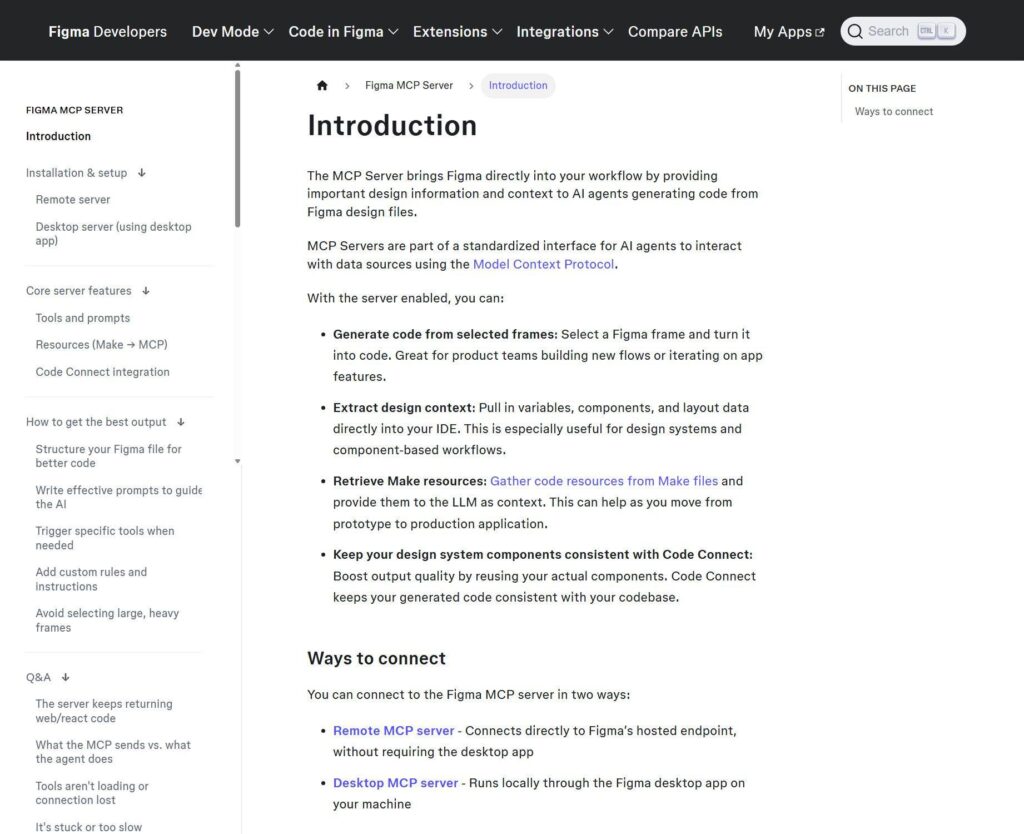
Model Context Protocol (MCP) was all the rage in the tech world in 2025 and will likely stay that way throughout 2026. MCP is changing how developers bridge the gap between AI applications and local or remote data. One of these bridges is the MCP server, which exposes capabilities to AI applications through tools, resources, ...
1 Jan
In the last few months, multiple vendors across the agentic ecosystem have independently embraced a similar pattern referred to as code mode. Instead of thinking of Model Context Protocol (MCP) solely as a protocol for issuing JSON-RPC tool calls, the code mode pattern treats MCP schemas as a foundation for generating typed client libraries that ...
31 Dec 2025
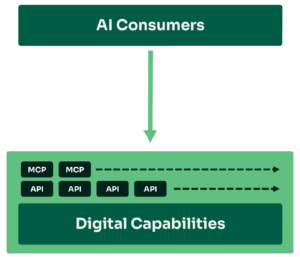
The Model Context Protocol (MCP) was published in November 2024 and has seen tremendous success and adoption. That is not a big surprise, as AI is still very much trending, and MCP has turned into the glue that allows LLM-based applications to interact with resources and tools. Without MCP, LLMs remain in their closed worlds ...
30 Dec 2025
In the interconnected digital landscape, software applications communicate through layers of application programming interfaces (APIs). For architects responsible for steering large, complex systems, the move to an API-first strategy is no longer optional — it’s the bedrock for delivering resilient, scalable, and innovative digital experiences. This approach ensures that APIs are treated as first-class citizens, ...
24 Dec 2025
For as long as most of us can remember, “developer experience” has been the umbrella term when it comes to measuring the usability, reliability, and effectiveness of APIs. A great developer experience, meaning one that makes things straightforward and reduces friction as much as possible, is the gold standard. Get your DX right, and word ...
22 Dec 2025
Agentic AI has been one of the hottest buzzwords of 2025, with developers and business owners racing to unlock the vast potential of AI. Agentic AI is a vital link in this technological chain, as it allows AI systems to make decisions and implement actions with little to no human input necessary. If you have ...
11 Dec 2025
Explore 2026 predictions on how AI agents, MCP standards, authorization, and new API models will reshape the AI-driven API economy.
9 Dec 2025
A guide to combining LLM coding agents with Storybook MCP for higher-quality, lower-cost frontend development.
4 Dec 2025
Technology is only as useful as it is usable. Users will only discover a product’s innovative features if it’s designed well enough for a user to first find and then use them. This is just as true with agentic AI as anything else — even if the agent’s doing a good portion of the work. ...
3 Dec 2025
Model Context Protocol (MCP), a standard for connecting AI agents to external tools and data, is still a very new tech, and as such, it’s experiencing the same growth pains that any other technology experiences. In this process, certain use and design patterns are starting to emerge — and not always for the better. One ...
19 Nov 2025
The Model Context Protocol (MCP) community recently made quite a splash with the introduction of the Official MCP Registry, an open catalog of available MCP servers. This open-source directory is meant as a single point of discovery for all MCP servers, helping to make MCP servers more discoverable while enforcing a standardized format. It also ...
11 Nov 2025
We often talk about API design here at Nordic APIs and best practices to follow. One of those best practices is clear and consistent naming conventions throughout the API — from endpoint resources and URIs to fields and parameters. Naming is often overlooked in API design, leading to a poor experience for consumers. Imagine the ...
5 Nov 2025
Monetizing an API, often one of the final hurdles in the lengthy process of building and deploying an API, is one of those steps that feels like it should be one of the easiest. But as anyone who has gone through the process will tell you, that’s rarely the case. And recent developments in AI ...
4 Nov 2025
We recently published an article about why developers should use an OpenAPI specification as a starting point for an MCP server. The piece led to an interesting discussion on LinkedIn about what makes an MCP server performant and useful. One critical piece is building tools that can orchestrate multiple API calls together for AI consumers. ...
30 Oct 2025
Model Context Protocol (MCP) has been proliferating at the speed of thought, as more and more developers and users strive to make their AI truly agentic and independent. Without MCP, AI-driven systems like large language models (LLMs) can only make suggestions. They can save you work, but they can also create work if you have ...
23 Oct 2025
API documentation is the cornerstone of discoverability. Well-structured API documentation allows an API to be understood by humans as well as machines. It lets a system understand how the API is structured, what it does, and includes invaluable metadata for further filtering and sorting. This means that API documentation is equally vital for an API ...
22 Oct 2025
AI agents are increasingly autonomous in the way they interact with APIs and the systems those APIs represent. But unlike human developers, who can intuit solutions pretty readily, agents aren’t quite up to the task of reading docs, joining Slack channels, or pinging support when something breaks. They rely entirely on metadata, structure, and observed ...
21 Oct 2025
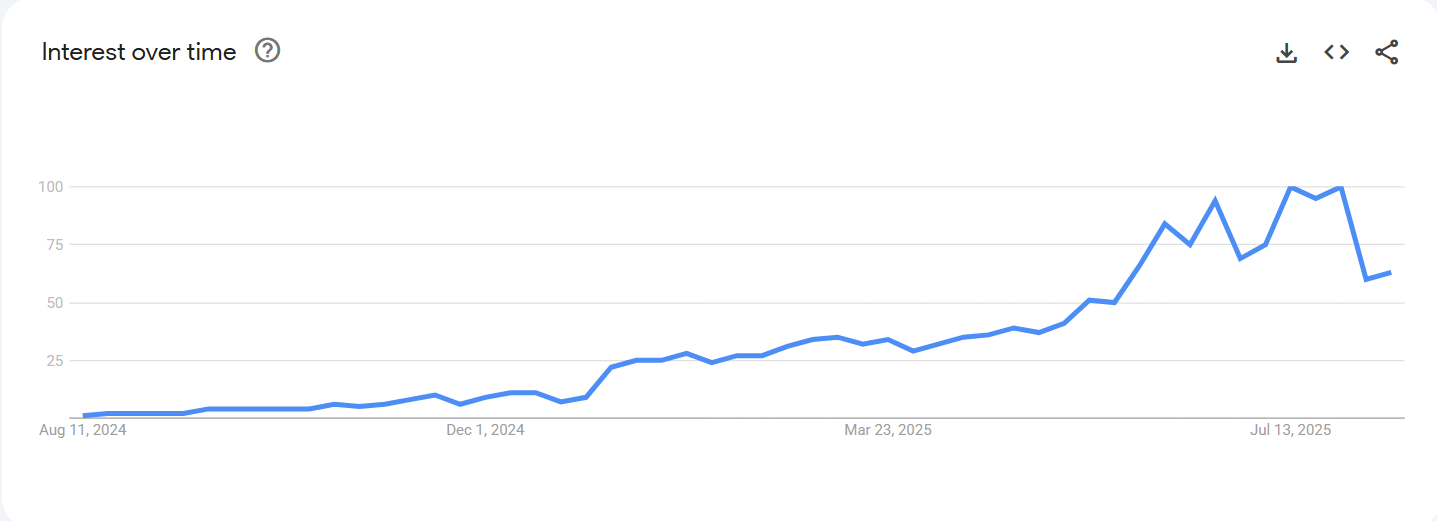
Agentic AI has been the talk of the tech world in 2025. A quick query on Google Trends shows a 6100% uptick in Google searches for agentic AI in the last 12 months. Emergen Research anticipates that the Agentic AI market could be worth as much as $48.2 billion by 2030, with a compound annual ...
14 Oct 2025
Model Context Protocol (MCP) has been the talk of the tech world in 2025, promising to unlock the next level of AI’s usefulness. It’s the next stage in autonomous AI, allowing systems to make changes directly to the real world. Autonomy is just one reason that MCP promises to be such a game-changer, though. It ...
9 Oct 2025
“So it happened, Scott. An MCP server I use in one of my workflows shipped a breaking API change, and my entire workflow broke.” With this single line, Scott Feinberg illuminates a core problem that the excitement around Model Context Protocol (MCP) has fundamentally ignored: API versioning. APIs change all the time — that’s what ...
2 Oct 2025
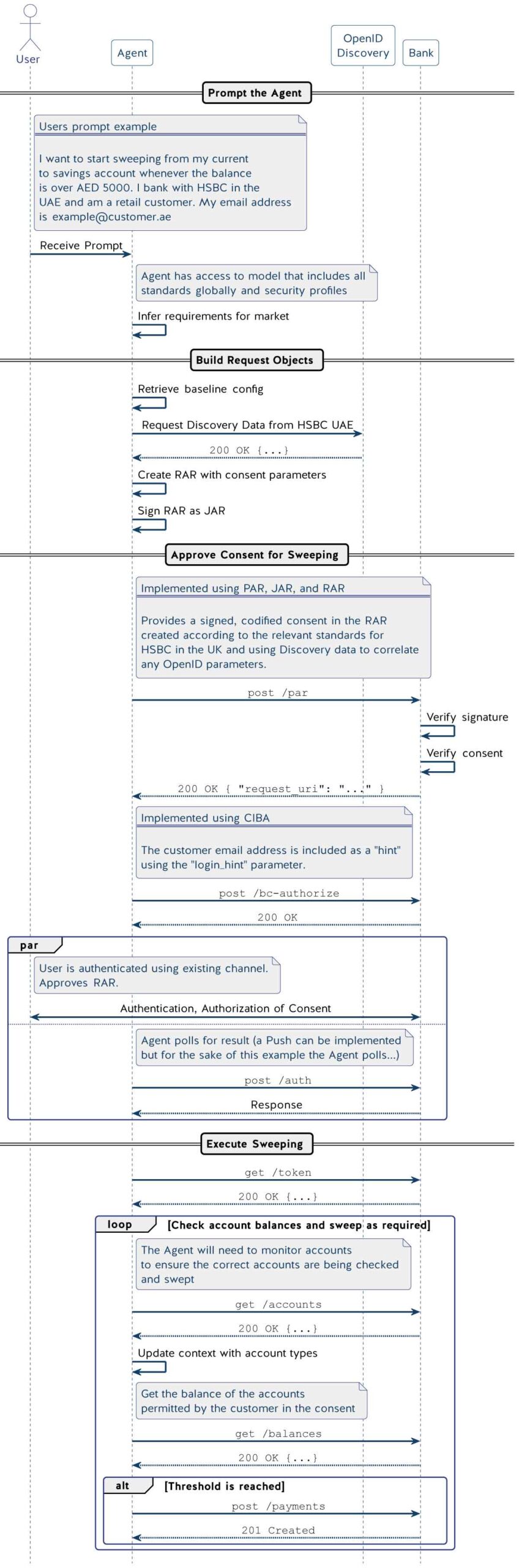
Can AI work with open finance? If you know something about AI, and especially AI agents, you may have read the title of this post and be thinking, “yes, of course it can, stupid!”. The use case for AI and AI agents in the context of financial services generally is significant, with agents having the ...