Managing event-driven architecture can be challenging. For many organizations, this includes a diverse set of eventing services and buses, often across multiple organizations. Developers must manage authentication and pub/sub services across teams and applications. We’re thrilled to introduce Heroku Eventing, a powerful tool designed to help teams manage events more efficiently and securely. This new […] The post Heroku Eventing:…
#app architecture
37 posts
4 Mar 2025
29 Jul 2024

In today’s fast-paced digital world, companies are looking for ways to expose their APIs and microservices to the internet while enhancing their overall API security. MuleSoft Anypoint Flex Gateway is a powerful solution that solves this problem. Let’s walk through deploying the Anypoint Flex Gateway on Heroku in a few straightforward steps. You’ll learn how […] The post Mastering API…
9 May 2024
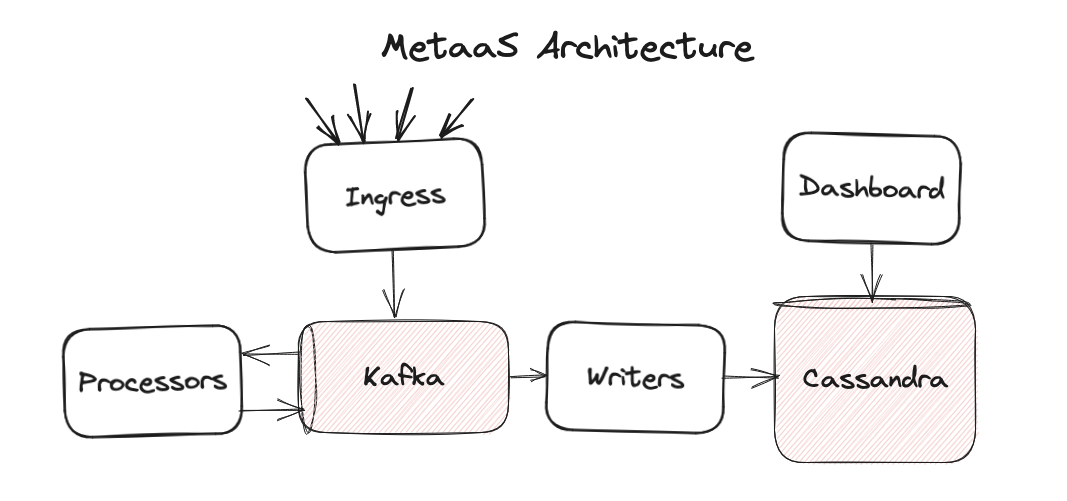
One of our most important goals at Heroku is to be boring. Don’t get us wrong, we certainly hope that you’re excited about the Heroku developer experience — as heavy users of Heroku ourselves, we certainly are! But, even more so, we hope that you don’t have to spend all that much time thinking about […] The post Evolving the…
8 May 2024

Introduction: We’re excited to announce public beta support for HTTP/2 on both Heroku Common Runtime and Private Spaces. HTTP/2 support is one of the most requested and desired improvements for the Heroku platform. HTTP/2 is significantly faster than HTTP 1.1 by introducing features like multiplexing and header compression to reduce latency and therefore improve the […] The post Improved Heroku…
25 Aug 2022
Back in May, I wrote about my enthusiasm to be part of the Heroku story, and I remain just as passionate today about helping write the next chapter. I’ve had many customer meetings over the past few months, and the theme is consistent — you want to know where we are taking Heroku. We want […] The post Heroku’s Next…
11 Dec 2020

This post previously appeared on the Salesforce Architects blog. Event-driven application architectures have proven to be effective for implementing enterprise solutions using loosely coupled services that interact by exchanging asynchronous events. Salesforce enables event-driven architectures (EDAs) with Platform Events and Change Data Capture (CDC) events as well as triggers and Apex callouts, which makes the […] The post Extend Flows…
22 Jul 2020

In today’s global economy, English proficiency unlocks opportunity. People all over the world are motivated to improve their English skills in order to make a better life for themselves and their families. Cambly is a language education platform that helps millions of learners advance their careers by connecting them with English-speaking tutors from a similar […] The post How a…
23 Jun 2020
Some say that the only constant in life is change. That may be true, but often what’s more important than the change itself is how we react. We all go through life trying to manage change (albeit with varying degrees of success), so we can better cope with it, learn from it, and adapt. Like […] The post Electric’s Advice…
16 Jun 2020
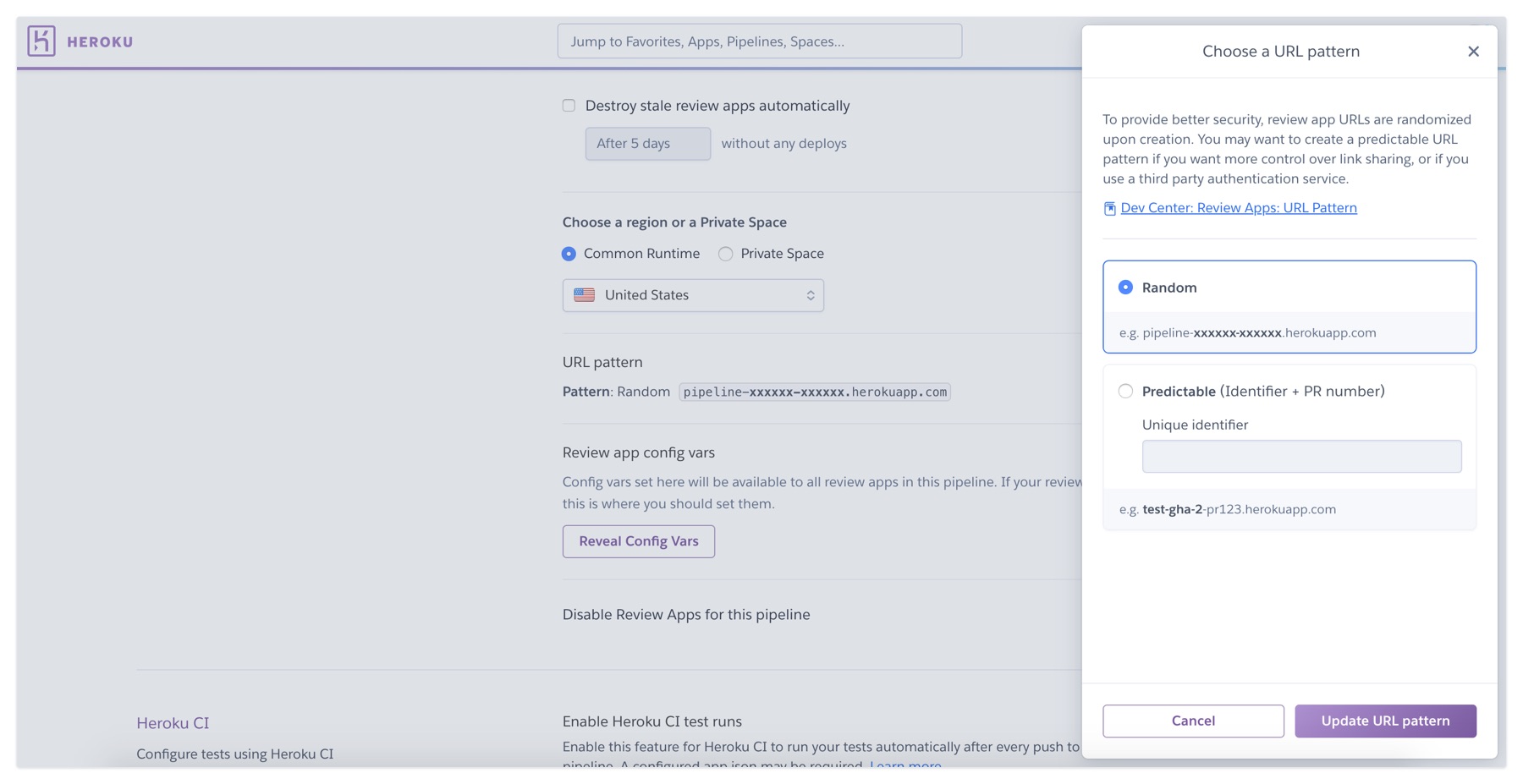
Faster application delivery with remote teams is the key to connect with your customers, now more than ever. A few years ago, we released Review Apps with the goal of improving the application development process and team collaboration. Today, we are excited to announce the release of an improved version of Review Apps to general […] The post New Review…
8 Apr 2020

Alex Hendricks turns up the radio in the cabin of his ‘91 Ford LT8501. He’s drowning out the noise of the construction crew 100ft ahead as they make progress on a brand new bridge in Waco, Texas. Alex isn’t here to take in the sight of fresh new infrastructure. He’s in his truck waiting for […] The post How Ruckit…
12 Sept 2019

Today we are thrilled to announce the general availability (GA) release of Heroku Enterprise Accounts. All Enterprise Teams associated with a company are nested under an Enterprise Account which delivers a higher level of visibility and accountability. With an Enterprise Account, executives and admins can ensure trust and improved agility with simple fast management of […] The post Announcing General…
15 Aug 2019
This is the first post in a two-part series about accessibility. Part two shares our design and development process addressing one aspect of accessibility in the Heroku product. Equality as a Salesforce Value We at Salesforce firmly believe that access to information and the ability to contribute to our digital environment should be recognized as […] The post Equality Through…
11 Jul 2019
This blog post is adapted from a talk given by Ali Hamidi at Data Council SF ’19 titled “Operating Multi-Tenant Kafka Services for Developers on Heroku.” Thousands of developers use Heroku’s Apache Kafka service to process millions of transactions on our platform—and many of them do so through our multi-tenant Kafka service. Operating Kafka clusters at this scale requires […]…
16 Apr 2019

The data we store holds value, but refining data into meaning remains a difficult task. Over the last few months, we’ve taken a step back to figure out what we can do to help our users cross that divide, and rebuilt Heroku Dataclips from scratch with that goal in mind. The result is an experience […] The post A Dialog…
6 Mar 2019
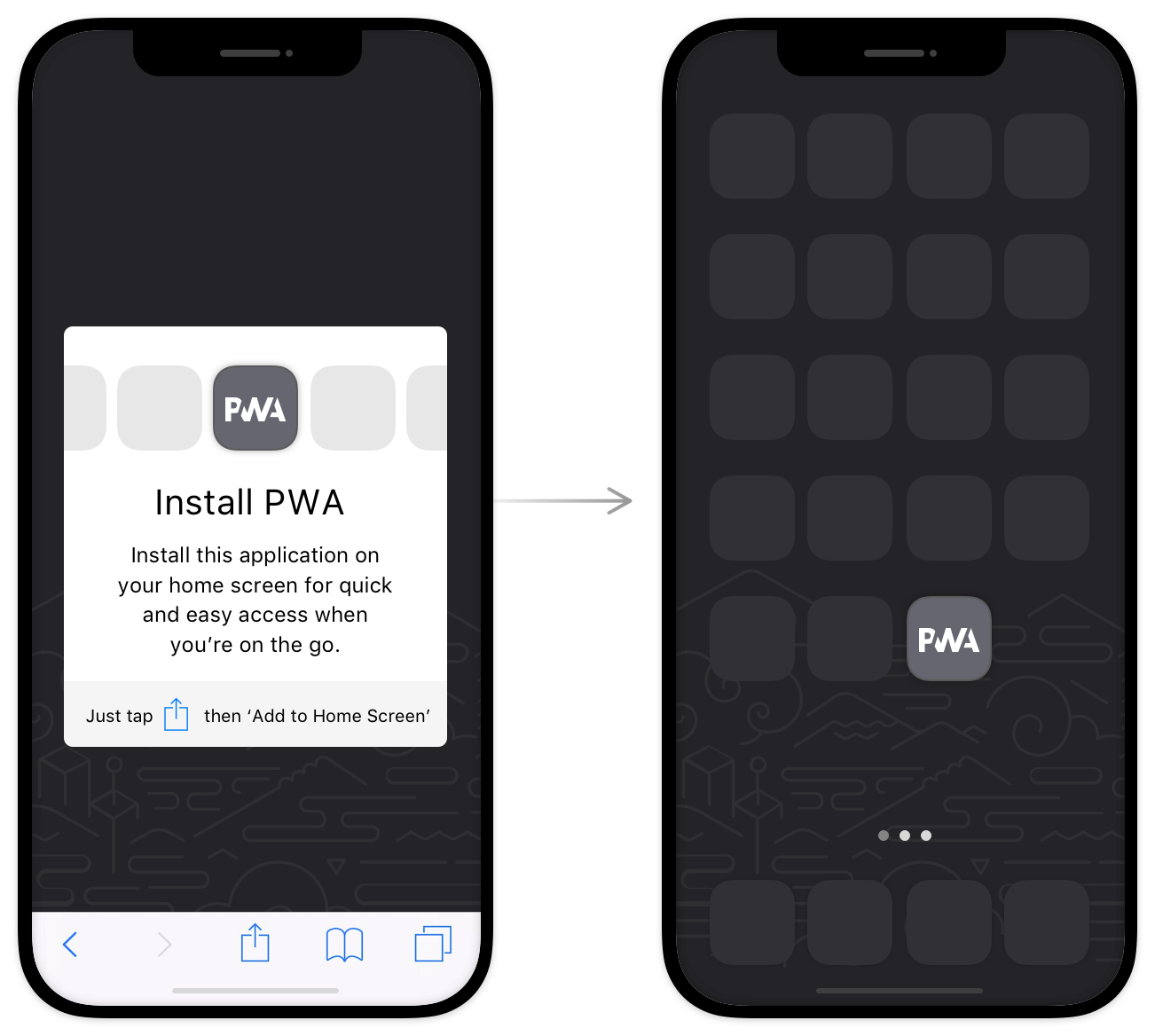
Progressive web apps (or PWAs) enable websites to function more like native mobile apps in exchange for some flexibility. You get cross-platform native mobile app functionality (or close to it) without all the overhead of app store approvals and tons of platform-specific native code. Users can install a progressive web app to their home screen […] The post PWA Tutorial:…
14 Jan 2019
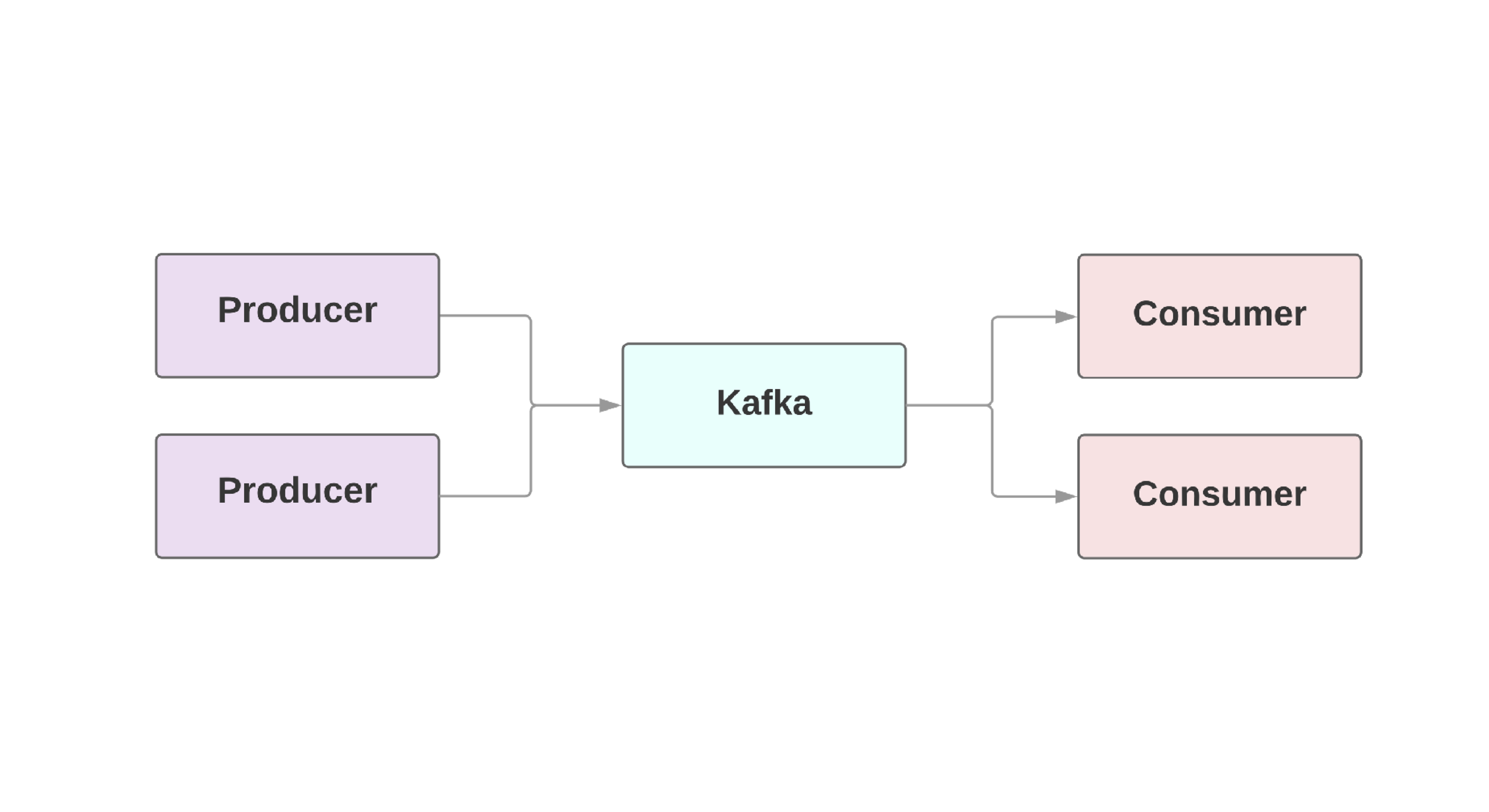
This blog post is adapted from a talk given by Stella Cotton at RailsConf 2018 titled “So You’ve Got Yourself a Kafka.” In recent years, designing software as a collection of services, rather than a single, monolithic codebase, has become a popular way to build applications. In this post, we’ll learn the basics of Kafka […] The post Building a…
13 Sept 2018
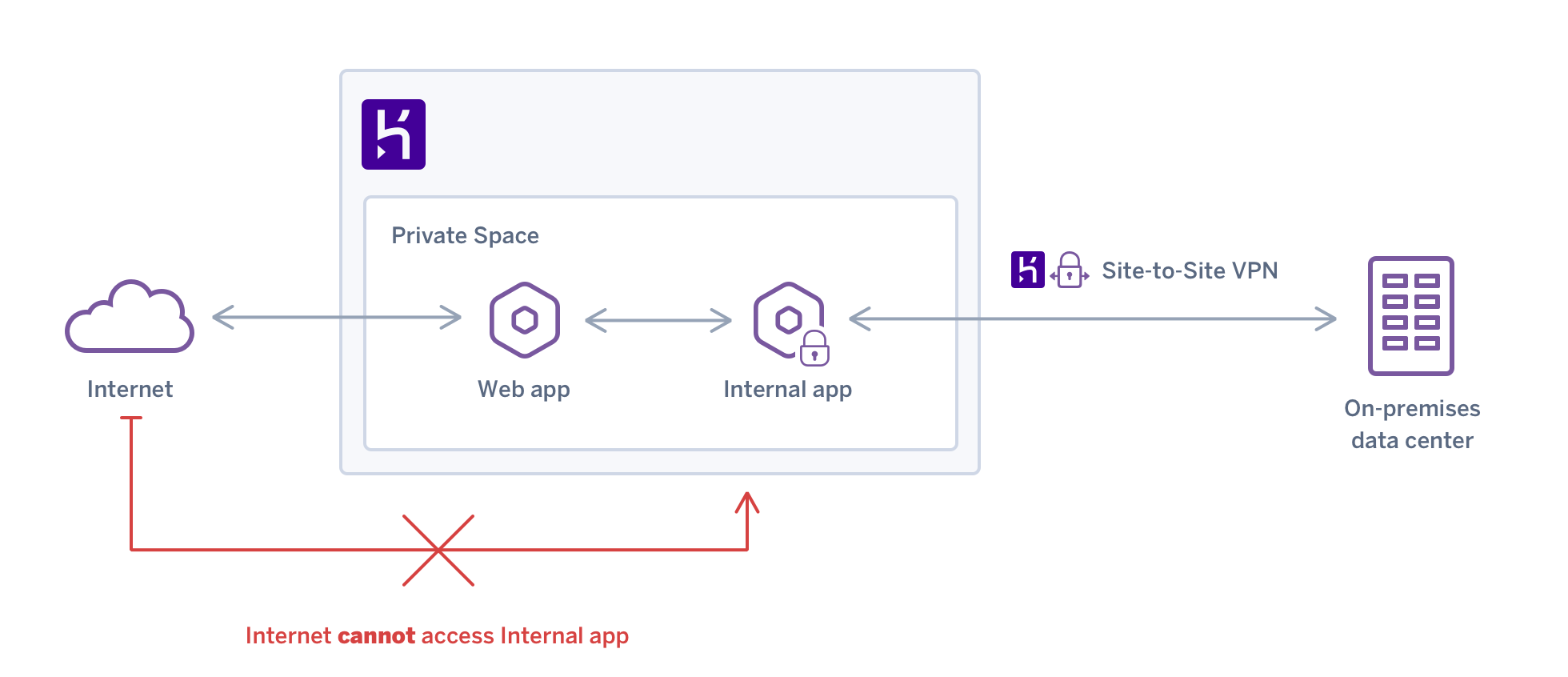
Today we’re excited to announce Site-to-Site Virtual Private Network (VPN) support for Heroku Private Spaces. Heroku customers can now establish secure, site-to-site IPsec connections between Private Spaces on Heroku and their offices, datacenters and deployments on non-AWS clouds. VPN is a powerful, proven and widely-adopted technology for securely combining multiple networks (or adding individual hosts […] The post VPN Support…
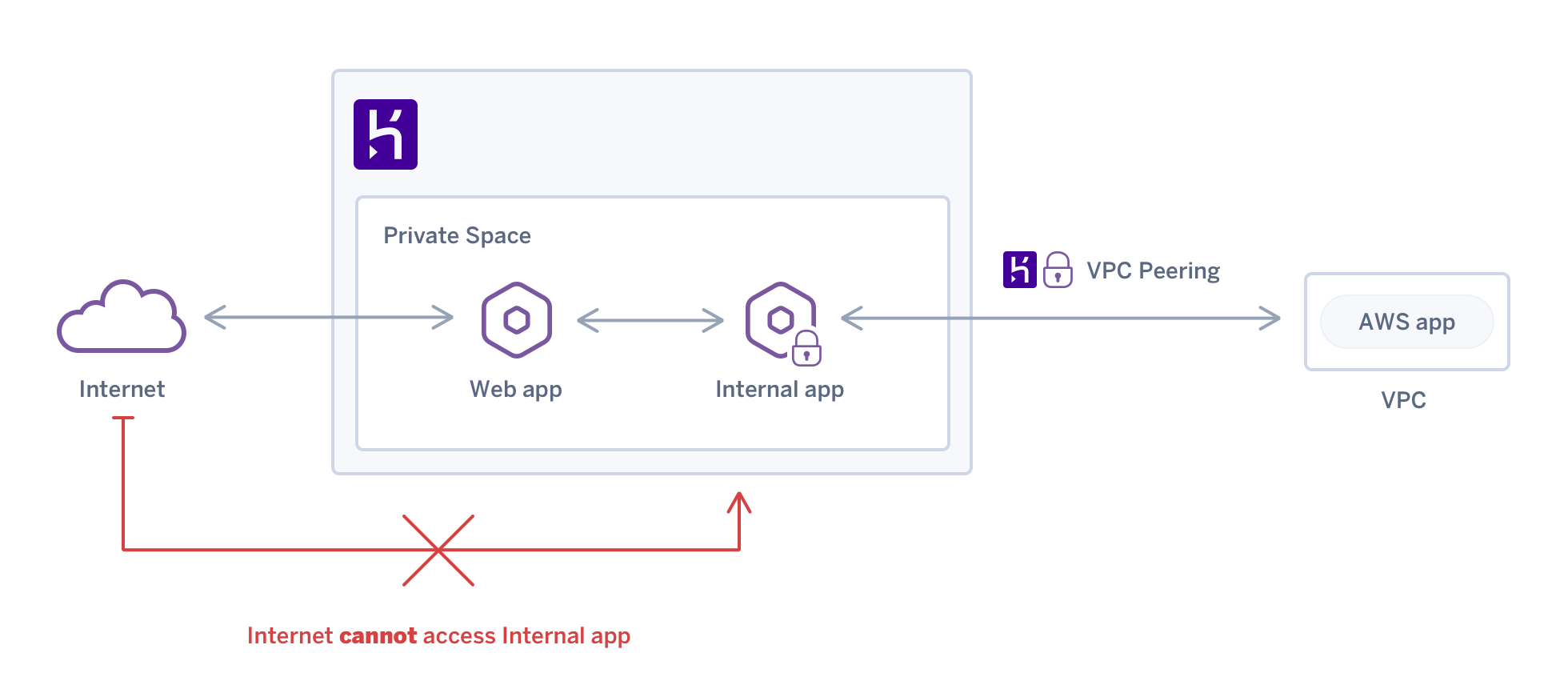
Today we’re announcing a powerful new network control for apps running in Heroku Private Spaces: Internal Routing. Apps with Internal Routing work exactly the same as other Heroku apps, except the web process type is published to an endpoint that’s routable only within the Private Space and on VPC and VPN peered networks (see the […] The post Internal Routing…
14 Aug 2018
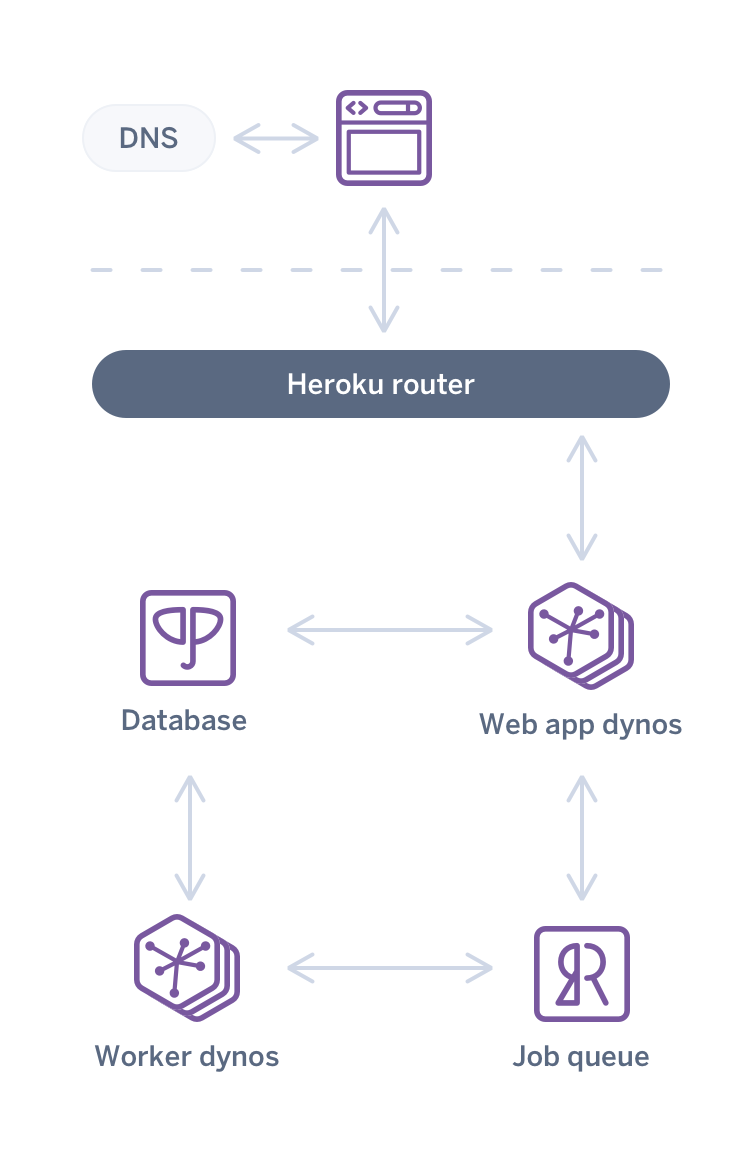
This is the first in a series of blog posts examining the evolution of web app architecture over the past 10 years. This post examines the forces that have driven the architectural changes and a high-level view of a new architecture. In future posts, we’ll zoom in to details of specific parts of the system. […] The post Beyond Web…
13 Mar 2018

Editor’s Note: One of the joys of building Heroku is hearing about the exciting applications our customers are crafting. SHIFT Commerce – a platform helping retailers optimize their e-commerce strategy – is a proud and active user of Heroku in building its technology stack. Today, we’re clearing the stage for Ryan Townsend, CTO of SHIFT, […] The post Deconstructing Monolithic…
19 Dec 2017

Designing scalable, fault tolerant, and maintainable stream processing systems is not trivial. The Kafka Streams Java library paired with an Apache Kafka cluster simplifies the amount and complexity of the code you have to write for your stream processing system. Unlike other stream processing systems, Kafka Streams frees you from having to worry about building […] The post Kafka Streams…
15 Dec 2016

Today we are announcing the newest version of the Heroku CLI. We know how much time you spend in the CLI as developers and how much pride you take in being able to get things done quickly. Our new CLI has big improvements in performance as well as enhanced readability for humans and machines. Tuned […] The post Announcing the…
13 Oct 2016

Powering the real food revolution with IoT, MQTT, and Heroku: an Interview with Freight Farms
HerokuKyle Seaman is Director of Farm Technology for Freight Farms, producer of pre-assembled, IoT-enabled, hydroponic farms inside repurposed freight containers. What is Freight Farms? Our flagship product, The Leafy Green Machine (LGM), is a complete, commercial-ready, hydroponic growing system assembled inside a repurposed shipping container. Each of our 100+ farms is connected to an IoT […] The post Powering the…
21 Jul 2016
Scott Raio is Co-Founder and CTO of Combatant Gentlemen], a design-to-delivery menswear e-commerce brand. What microservices are you running in Heroku Private Spaces? We’ve written an individual service for every business use case. For example, we have services for order processing, product catalog, account management, authentication, swatch display, POs, logistics, payments, etc. With all these […] The post How Combatant…
19 Jul 2016
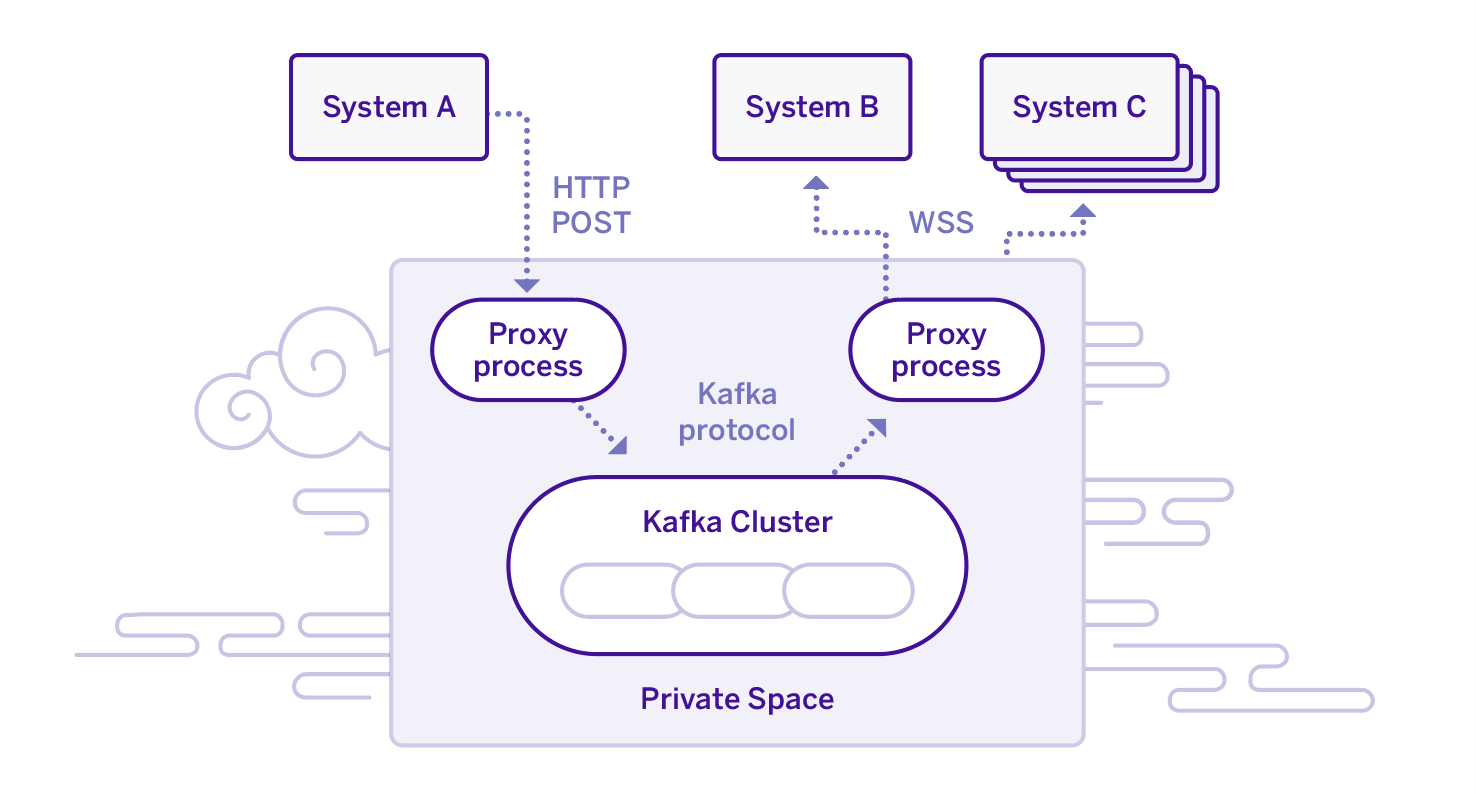
We recently launched Apache Kafka on Heroku into beta. Just like we do with Heroku Postgres, our internal engineering teams have been using our Kafka service to power a number of our internal systems. The Big Idea The Heroku platform comprises a large number of independent services. Traditionally we’ve used HTTP calls to communicate between […] The post Powering the…
13 Jul 2016
Andrey Petrov is the author of urllib3, the creator of Briefmetrics and ssh-chat, and a former Googler and Y Combinator alum. He’s back again to free us of our old ways of thinking, so that we can embrace what's really special about receivers in Go. When getting started with Go, there is a strong temptation […] The post Neither self…
7 Jul 2016
Based in Budapest, Hungary, Andras Fincza (Head of Engineering) and Rafael Ördög (Technical Lead) work for Emarsys, a global marketing automation platform. Read our Emarsys customer story to learn more about their migration experience on Heroku. How did you introduce microservices at Emarsys? We take an evolutionary approach to our architecture. Our marketing automation platform […] The post How Emarsys…
9 May 2016
It's been one year since Action Cable debuted at RailsConf 2015, and Sophie DeBenedetto is here to answer the question in the minds of many developers: what is it really like to implement "the highlight of Rails 5"? Sophie is a web developer and an instructor at the Flatiron School. Her first love is Ruby […] The post Real-Time Rails:…
25 Apr 2016
Today we are announcing that Session Affinity routing is now generally available as a fully supported part of the Heroku Platform. When Session Affinity is enabled for an app, requests from a given browser will always be routed to the same Dyno. Under the hood, the Heroku Router will add a cookie to all incoming […] The post Session Affinity…
17 Mar 2016

Today, we’re thrilled to host Jacob Kaplan-Moss. Jacob’s a former Herokai and long-time core contributor to Django, and he’s here to share an in-depth look at something that he believes will define the future of the framework. Django Channels allows Python developers to build real-time, asynchronous web apps with Python and JavaScript. It augments Django’s […] The post Django Channels:…
19 Feb 2016
Go-kit is a distributed programming toolkit for building microservices. It solves the common problems encountered while building distributed systems, so you can focus on your business logic. This article starts with a bit of background on microservices, then guidance on how to get started with Go-kit, including instructions on getting a basic service up and […] The post Microservices in…
21 Oct 2015
HTTP routing on Heroku is made up of three main logical layers: The state synchronization layer ensures that all nodes in the routing stack are aware of the latest changes in domains, application, and dyno locations across the platform; The routing layer chooses which dyno will handle an HTTP request (random or sticky), performs logging, […] The post Heroku Proxying…
21 Jan 2015
All successful applications grow more complex over time, and that complexity creates challenges in development. There are two essential strategies to manage this problem: a team can keep everything together (create a monolith) or a team can divide a project into smaller pieces (create microservices). The monolith at its most extreme is a single code […] The post Why Microservices,…
2 Oct 2014
One of the challenges when starting a mobile app project is deciding what technology stack to use. Should the client app use iOS or Android native, mobile web, or a hybrid? Do the backend in Node, Ruby, or Java? Or skip the backend and use an Mobile Backend-as-a-Service? To help avoid needing to answer all […] The post The Heroku…
17 Sept 2014

The Heroku Routing team does a lot of work with Erlang, both in terms of development and maintenance, to make sure the platform scales smoothly as it continues to grow. Over time we’ve learned some hard-earned lessons about making systems that can scale with some amounts of reliability (or rather, we’ve definitely learned what doesn’t […] The post Stuff Goes…
5 Sept 2014

Many of Heroku's internal components make heavy use of logfmt to log information about what's going on in production. The format is hugely valuable in that it allows us to retroactively analyze what happened during any arbitrary request to our components, query our log traces in very flexible ways, and combined with Splunk, easily generate […] The post Hutils –…
23 May 2014
Developers want to spend less time setting up applications and start working with the code sooner. Setting up applications is error-prone, time consuming and interruptive to the development flow. Often, there are several steps to go from your code or other samples and templates that you find in repositories online, to a running application that […] The post Introducing the…