When Production Goes Sideways Imagine this: It’s 2 AM, your phone buzzes with an alert, and your dashboards are screaming. Production is down. Sound familiar? An automated health check has failed, and your internal dashboards are showing a spike in errors. You’ve just pushed a new release that included a critical database schema change, and […] The post Triage and…
#cloud infrastructure
70 posts
8 Sept 2025
9 Jul 2025
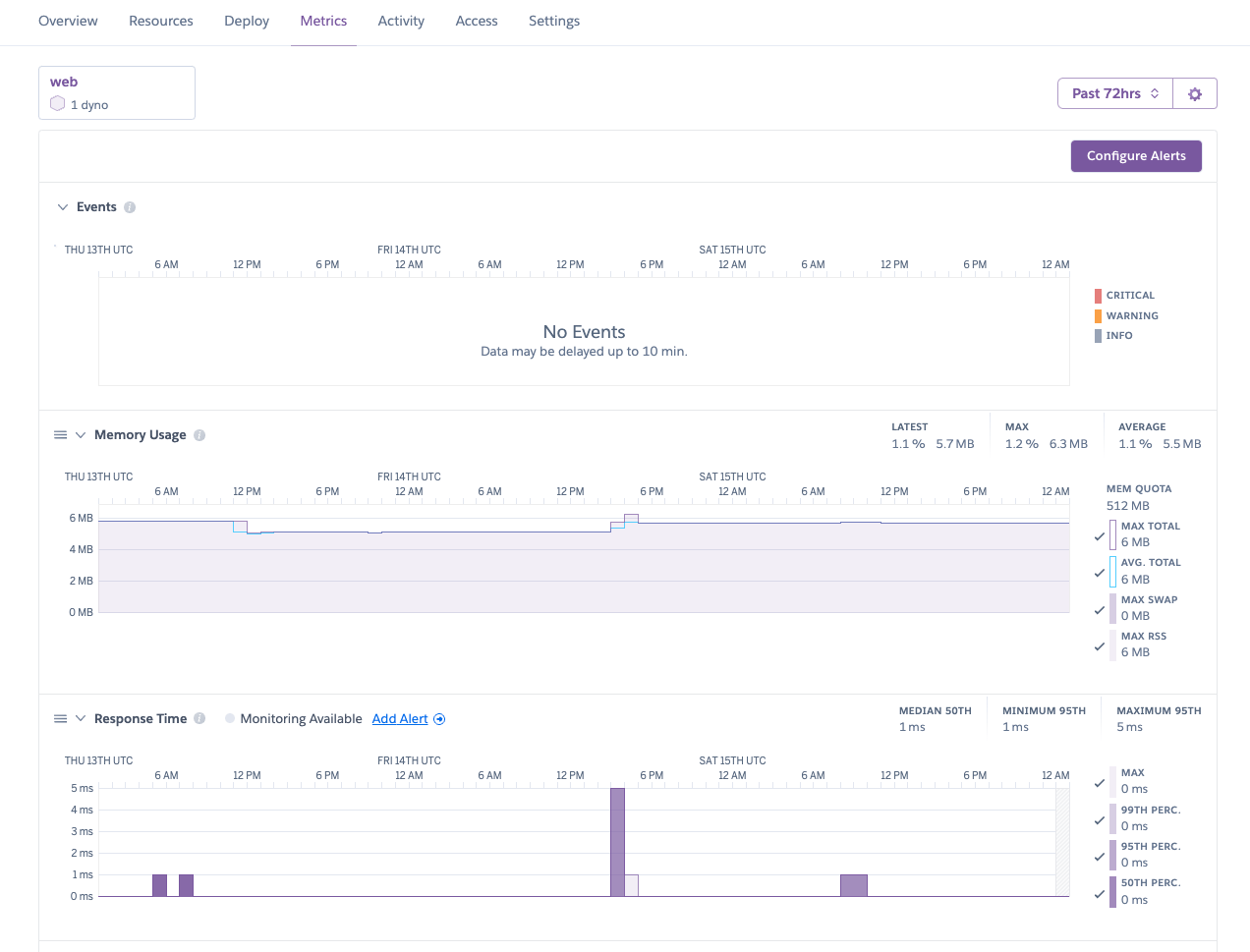
Modern cloud-native architectures are composed of multiple microservices running across dynamic environments. Effectively diagnosing performance issues, bottlenecks, or failures requires comprehensive observability. For this, many organizations look to OpenTelemetry, which provides a standardized approach to capturing and analyzing telemetry data. Fir is Heroku’s next generation cloud platform, designed to offer more modern cloud-native capabilities with […] The post OpenTelemetry, Kubernetes,…
4 Jun 2025
Ah, another day, another deep dive into the ever-evolving world of Python development! Today, let’s talk about something near and dear to every Pythonista’s heart – managing those crucial external packages. For years, pip has been our trusty companion, the workhorse that gets the job done. But the landscape is shifting, and a new contender […] The post Local Speed,…
27 May 2025
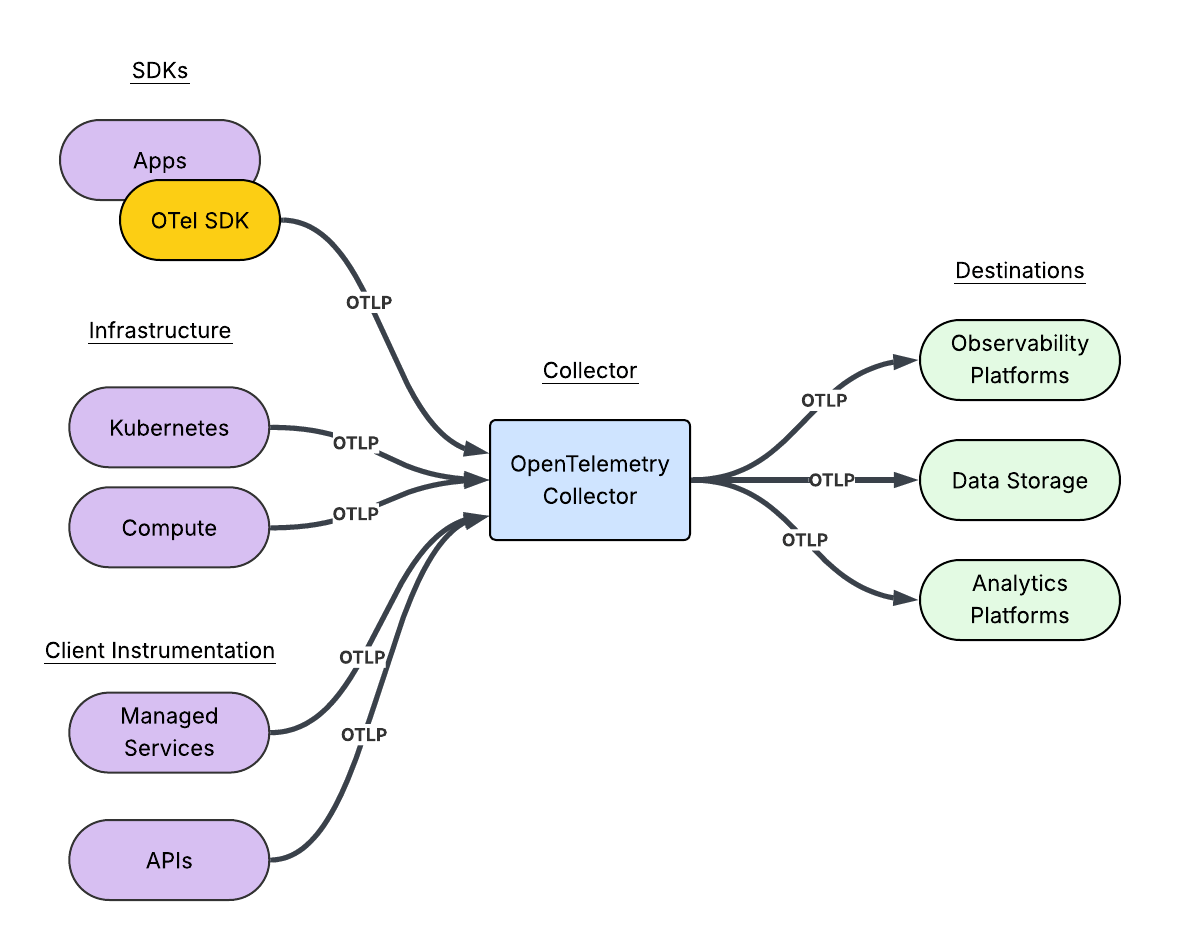
Heroku recently made the next generation platform – Fir – generally available. Fir builds on the strengths of the Cedar generation while introducing a new modern era of developer experience. Fir leverages modern cloud-native technologies to provide a seamless and performant platform. One of the goals we set out to achieve with Fir is to […] The post OpenTelemetry Basics…
22 May 2025

The speed and efficiency of the Go programming language make it popular for backend development. Combine Go with the Gin framework—which offers a fast and minimalistic approach to building web applications—and developers can easily create high-performance APIs and web services. Whether you’re working on a personal project or building a production-ready application, Go and Gin […] The post Deploying a…
13 May 2025
Logging is the unsung hero of enterprise operations—quietly saving the day, one log line at a time. Imagine trying to maintain successful applications without knowing what’s happening inside them. This would be like flying a plane blindfolded at night, in a storm, with no instruments. Spoiler alert: Neither scenario would end well! Today’s distributed systems […] The post Optimizing Enterprise…
8 Apr 2025
Do you run Rails or pure Ruby applications on Heroku? If so, it’s important to be aware of upcoming end-of-life (EOL) dates for both your stack and your Ruby version. The Heroku-20 stack, built on Ubuntu 20.04 LTS, will reach EOL for standard support in April 2025. Ruby 2.7 has already passed its EOL, meaning […] The post Migrating Your…
2 Apr 2025

For years, Heroku has been empowering developers to deploy and scale their applications with ease. Now, we’re thrilled to introduce the general availability of the next generation of the Heroku platform, codenamed Fir, launching later this month April 2025. Built on open source standards and cloud-native technologies, Fir accelerates your development like never before. A […] The post Heroku Fir:…
We’re excited to introduce Heroku-Jupyter, an open-source, production-ready solution for running Jupyter Notebooks on Heroku with persistent storage, seamless deployment, and built-in security. Whether you’re a data scientist, educator, or developer, you can now spin up a cloud-based Jupyter environment in minutes. Why Jupyter on Heroku? Jupyter Notebooks provide an interactive computing environment ideal for […] The post Jupyter Notebooks…
2 Dec 2024
Cloud platforms have come a long way since Heroku first set out to empower developers. Today’s cloud native development demands even greater flexibility, openness, and scalability. A fun fact about Heroku is that we use trees to denote the generation of the platform technology stack (aka version). In the tradition of Aspen, Bamboo, and Cedar, […] The post Planting New…
21 Nov 2024
Back in September 2023, we announced our Public Beta for our new Common Runtime router: Router 2.0. Now generally available, Router 2.0 will replace the legacy Common Runtime router in the coming months, and bring new networking capabilities and performance to our customers. The beta launch of Router 2.0 also enabled us to deliver HTTP/2 […] The post Router 2.0…
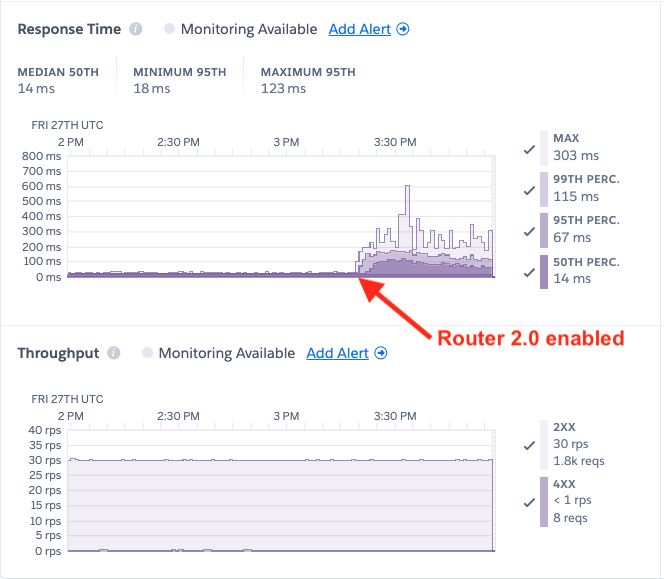
Update: Puma 7.0 was released with a fix for the bug described in this article. We recommend Ruby applications upgrade to Puma 7.0.4 or higher. This week, Heroku made Router 2.0 generally available, bringing features like HTTP/2, performance improvements and reliability enhancements out of the beta program! Throughout the Router 2.0 beta, our engineering team […] The post Pumas, Routers…
Heroku Router 2.0 is now generally available, marking a significant step forward in our infrastructure modernization efforts. The new router delivers enhanced performance and introduces new features to improve your applications’ functionality. There are, of course, nuances to be aware of with any new system, and with Router 2.0 set to become the default router […] The post Tips &…
27 Sept 2024

We are thrilled to announce that Heroku Automated Certificate Management (ACM) now supports wildcard domains for the Common Runtime! Heroku ACM’s support for wildcard domains streamlines your cloud management by allowing Heroku’s Certificate management to cover all your desired subdomains with only one command, reducing networking setup overhead and providing more flexibility while enhancing the […] The post Simplify Your…
22 Aug 2024
Data Residency Compliance Is Possible with the Right Cloud Provider Because today’s companies operate in the cloud, they can reach a global audience with ease. At any given moment, you could have customers from Indiana, Indonesia, and Ireland using your services or purchasing your products. With such a widespread customer base, your business data will […] The post What is…
15 Aug 2024

Modern applications have an unceasing buzz of user activity and data flows. Users send a flurry of one-click reactions to social media posts. Wearable tech and other IoT sensors work nonstop to transmit event data from their environments. Meanwhile, customers on e-commerce sites perform shopping cart actions or product searches which can bring immediate impact […] The post Building an…
27 Jun 2024

Heroku is joining the CNCF at the platinum level, upgrading the long-held CNCF Salesforce membership. This marks my third time serving on the CNCF board for different companies, and I’m excited to participate again. Joining the CNCF at the Platinum level signifies a major commitment, reflecting Heroku’s dedication to the evolving landscape. My three board […] The post Heroku Joins…
9 May 2024
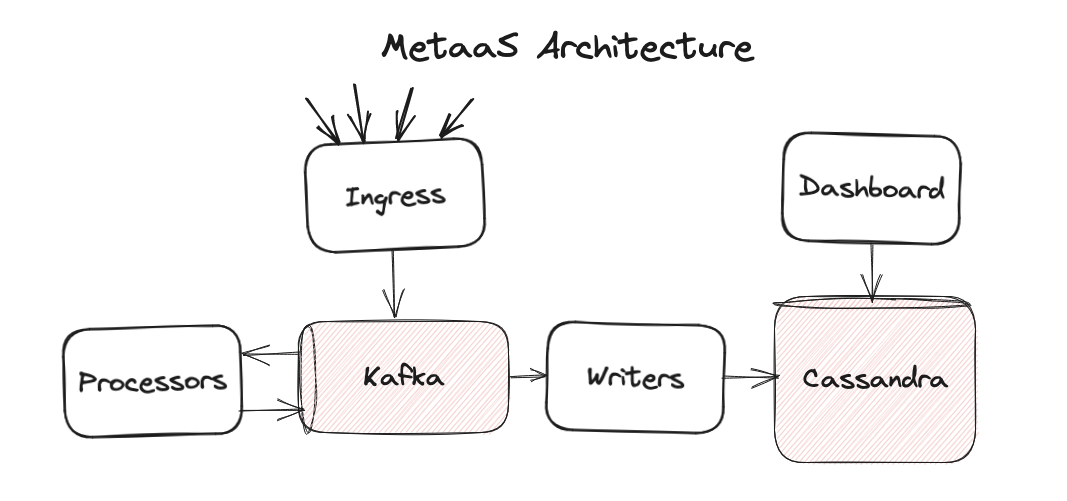
One of our most important goals at Heroku is to be boring. Don’t get us wrong, we certainly hope that you’re excited about the Heroku developer experience — as heavy users of Heroku ourselves, we certainly are! But, even more so, we hope that you don’t have to spend all that much time thinking about […] The post Evolving the…
8 May 2024

Introduction: We’re excited to announce public beta support for HTTP/2 on both Heroku Common Runtime and Private Spaces. HTTP/2 support is one of the most requested and desired improvements for the Heroku platform. HTTP/2 is significantly faster than HTTP 1.1 by introducing features like multiplexing and header compression to reduce latency and therefore improve the […] The post Improved Heroku…
28 Mar 2024

Introduction Heroku is excited to introduce nine new dyno types to our fleets and product offerings. In 2014, we introduced Performance-tier dynos, giving our customers fully dedicated resources to run their most compute-intensive workloads. Now in 2024, today’s standards are rapidly increasing as complex applications and growing data volumes consume more memory and carry heavier […] The post Expanded Memory…
19 Mar 2024

At Heroku, we believe the best choices are the ones you don’t have to make. That’s why we’re thrilled to announce the preview release of Heroku Cloud Native Buildpacks. Our Cloud Native Buildpack (CNB) offering brings the beloved Heroku language and framework experience to your local machine and beyond. Whether you’re coding in Ruby, Node.js, […] The post Heroku Cloud…
31 Aug 2023

In May 2023, we announced our limited release of two new Heroku Private Spaces regions: India (Mumbai) and Canada (Montreal). This month, we’re announcing the full general availability of those two regions, along with new Heroku Private Spaces regions for the United Kingdom (London) and Singapore. This expansion enables customers to maintain greater control over […] The post Heroku Private…
20 Jul 2023
Summary Subdomain reuse, also known as subdomain takeover, is a security vulnerability that occurs when an attacker claims and takes control of a target domain. Typically, this happens when an application is deprecated and an attacker directs residual traffic to a host that they control. As of 14 June 2023, we changed the format of […] The post Security Improvement:…
15 Jun 2023

Heroku is excited to announce the addition of a third availability zone (AZ) for our Private Spaces product offering. Three availability zones make Private Space apps more resilient to outages. We’ve prioritized this improvement as part of our focus on mission-critical features to make the Heroku Platform even more reliable. The changeover to three availability […] The post Heroku Adds…
17 Aug 2022

Webhooks are a more secure, reliable, and powerful alternative to Deploy Hooks, and five years ago, we made app webhooks Generally Available. Today, we are deprecating Deploy Hooks and encouraging customers to migrate to app webhooks. Starting October 17, 2022, we will stop accepting new deploy hooks. Existing hooks will continue working until the product […] The post Sunsetting Deploy…
19 Jan 2022
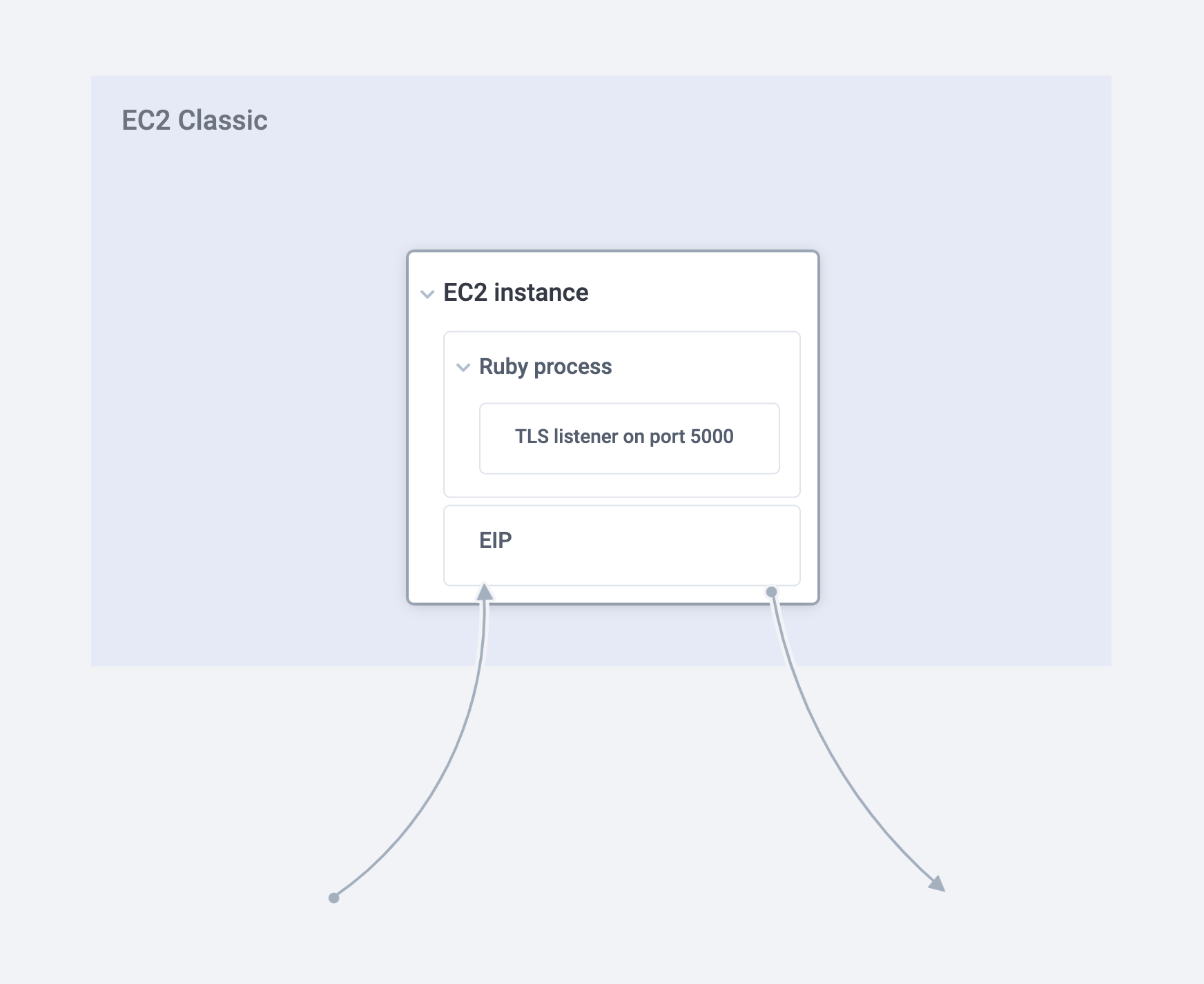
This article was originally authored by Srinath Ananthakrishnan, an engineer on the Heroku Runtime Networking Team Summary This following story outlines a recent issue we saw with migrating one of our internal systems over to a new EC2 substrate and in the process breaking one of our customer’s use cases. We also outline how we […] The post The Adventures…
5 Oct 2021

Since April 2021, the Heroku Runtime team has been working to deploy upgrades to the infrastructure powering Common Runtime apps, and we’re excited to formally announce the performance improvements that customers are already seeing. When this Changelog post was published in May introducing the changes, almost all Common Runtime apps had been migrated from what […] The post Faster Dynos…
21 Jan 2021

We are excited to announce that we are moving Connection Pooling for Heroku Postgres into GA. Connection Pooling unlocks the ability to use up to 10,000 client connections to a Heroku Postgres Database, without adversely impacting performance on the database. This will unlock more complex and higher scale applications with simpler architectures on the Heroku […] The post Connection Pooling…
1 Oct 2020

Incidents are inevitable. Any platform, large or small will have them. While resiliency work will definitely be an important factor in reducing the number of incidents, hoping to remove all of them (and therefore reach 100% uptime) is not an achievable goal. We should, however, learn as much as we can from incidents, so we […] The post How I…
16 Sept 2020
Your app is slow. It does not spark joy. This post will use memory allocation profiling tools to discover performance hotspots, even when they're coming from inside a library. We will use this technique with a real-world application to identify a piece of optimizable code in Active Record that ultimately leads to a patch with […] The post The Life-Changing…
16 Jul 2020
I work on Heroku’s Runtime Infrastructure team, which focuses on most of the underlying compute and containerization here at Heroku. Over the years, we’ve tuned our infrastructure in a number of ways to improve performance of customer dynos and harden security. We recently received a support ticket from a customer inquiring about poor performance in […] The post Making Time…
6 May 2020
Security is always top of mind for Heroku customers; COVID-19 has further increased the urgency for enterprises and developers to deliver more mission-critical applications with sensitive and regulated data. Given the needs of our customers, including those in regulated industries like Health & Life Sciences and Financial Services, we are thrilled to announce that Heroku […] The post Bring Your…
22 Apr 2020
Text-based communication has a long history weaved into the evolution of the Internet, from IRC and XMPP to Slack and Discord. And where there have been humans, there have also been chatbots: scriptable programs that respond to a user’s commands, like messages in a chat room. Chatbots don’t require much in terms of computational power […] The post Building and…
15 Jan 2020
As part of our Blackhat Europe talk “Reverse Engineering and Exploiting Builds in the Cloud” we publicly released a new tool called Terrier. Announcing Terrier: An open-source tool for identifying and analysing container and image components. In this blog post, I am going to show you how Terrier can help you identify and verify container […] The post Terrier: Open-Source…
7 Nov 2019
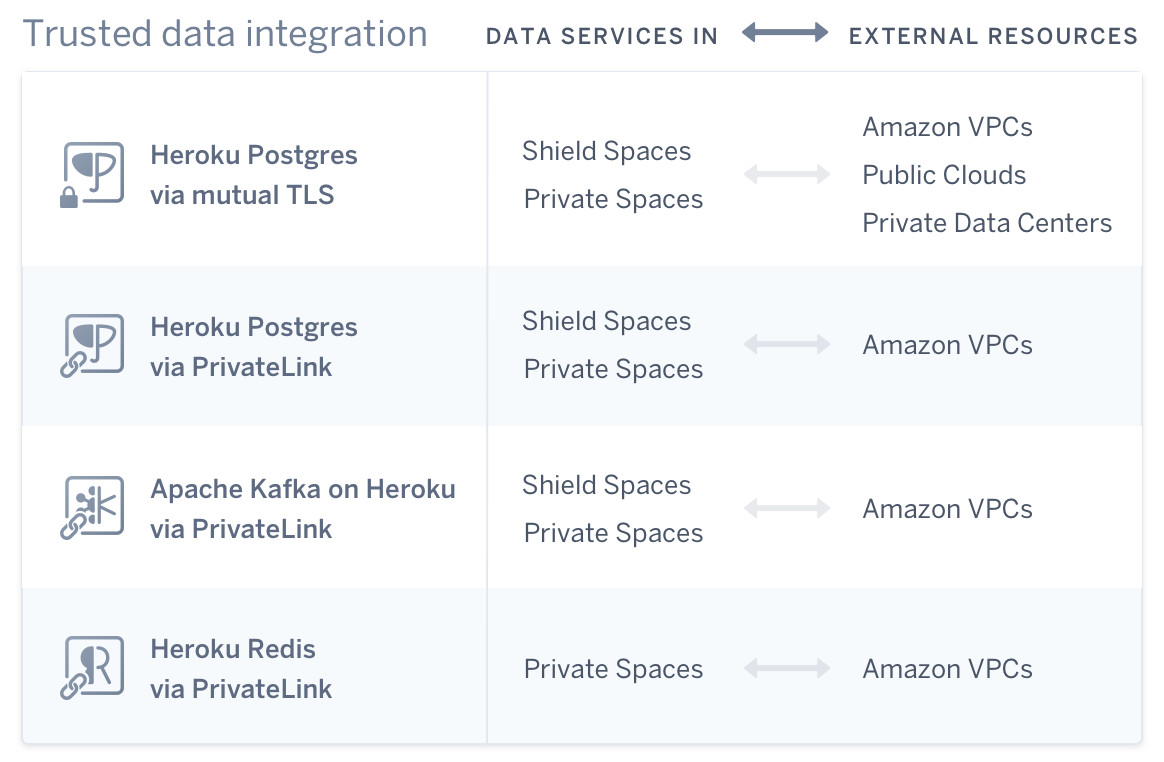
Today, we’re thrilled to announce four new trusted data integrations that allow data to flow seamlessly and securely between Heroku and external resources in public clouds and private data centers: Heroku Postgres via mutual TLS Heroku Postgres via PrivateLink Apache Kafka on Heroku via PrivateLink Heroku Redis via PrivateLink These integrations expand Heroku’s security and […] The post Announcing Heroku…
23 Jul 2019
There are many reasons to choose Heroku Data services, but keeping the services you use secure and up-to-date rank near the top. This foundation of trust is the most important commitment we make to our customers, and frequent and timely maintenances are one way we deliver on this promise. We do everything we can to […] The post Why Frequent…
12 Jul 2019

For quite some time we've received reports from our larger customers about a mysterious H13 – Connection closed error showing up for Ruby applications. Curiously it only ever happened around the time they were deploying or scaling their dynos. Even more peculiar, it only happened to relatively high scale applications. We couldn't reproduce the behavior […] The post Puma 4:…
11 Jul 2019
This blog post is adapted from a talk given by Ali Hamidi at Data Council SF ’19 titled “Operating Multi-Tenant Kafka Services for Developers on Heroku.” Thousands of developers use Heroku’s Apache Kafka service to process millions of transactions on our platform—and many of them do so through our multi-tenant Kafka service. Operating Kafka clusters at this scale requires […]…
19 Jun 2019

There are many ways of deploying your applications to Heroku—so many, in fact, that we would like to offer some advice on which to choose. Each strategy provides different benefits based on your current deployment process, team size, and app. Choosing an optimal strategy can lead to faster deployments, increased automation, and improved developer productivity. […] The post Six Strategies…
22 May 2019
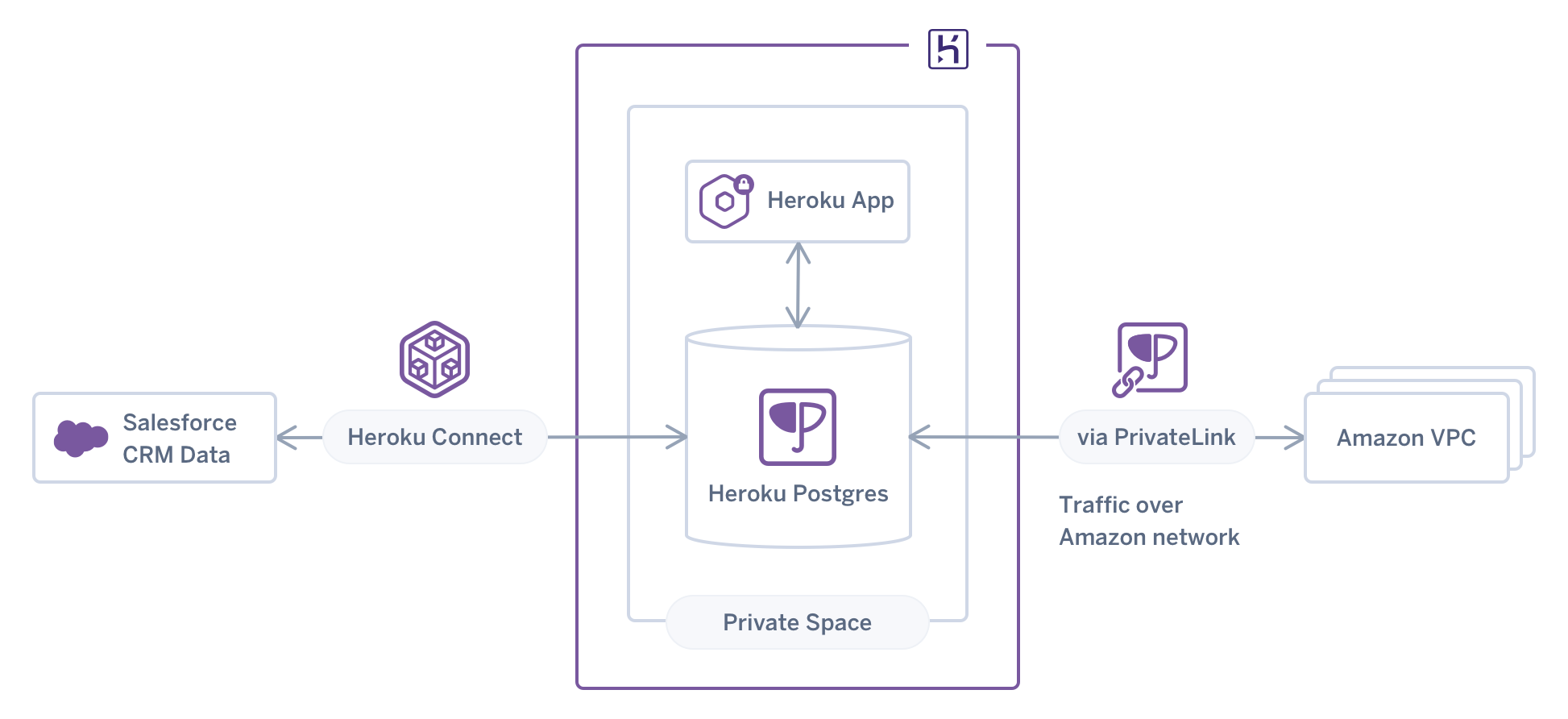
Today, we’re thrilled to announce Heroku Postgres via PrivateLink, a new integration that enables customers to seamlessly and securely connect Heroku Postgres databases in Private Spaces to resources in one or more Amazon VPCs. Heroku Postgres via PrivateLink connections are secure and stable by default because traffic to and from Heroku Postgres stays on the […] The post Heroku Postgres…
3 Apr 2019

When we open-sourced buildpacks nearly seven years ago, we knew they would simplify the application deployment process. After a developer runs git push heroku master, a buildpack ensures the application’s dependencies and compilation steps are taken care of as part of the deploy. As previously announced, we’ve taken the same philosophies that made buildpacks so […] The post Turn Your…
13 Nov 2018

Last October, we announced the ability for you to deploy pre-built Docker images to Heroku via Container Registry. Today, building Docker images with heroku.yml is generally available; you can now: Use git push heroku master to build your Docker images on Heroku Take advantage of review apps in Docker-based projects For most teams, using containers […] The post Building Docker…
3 Oct 2018
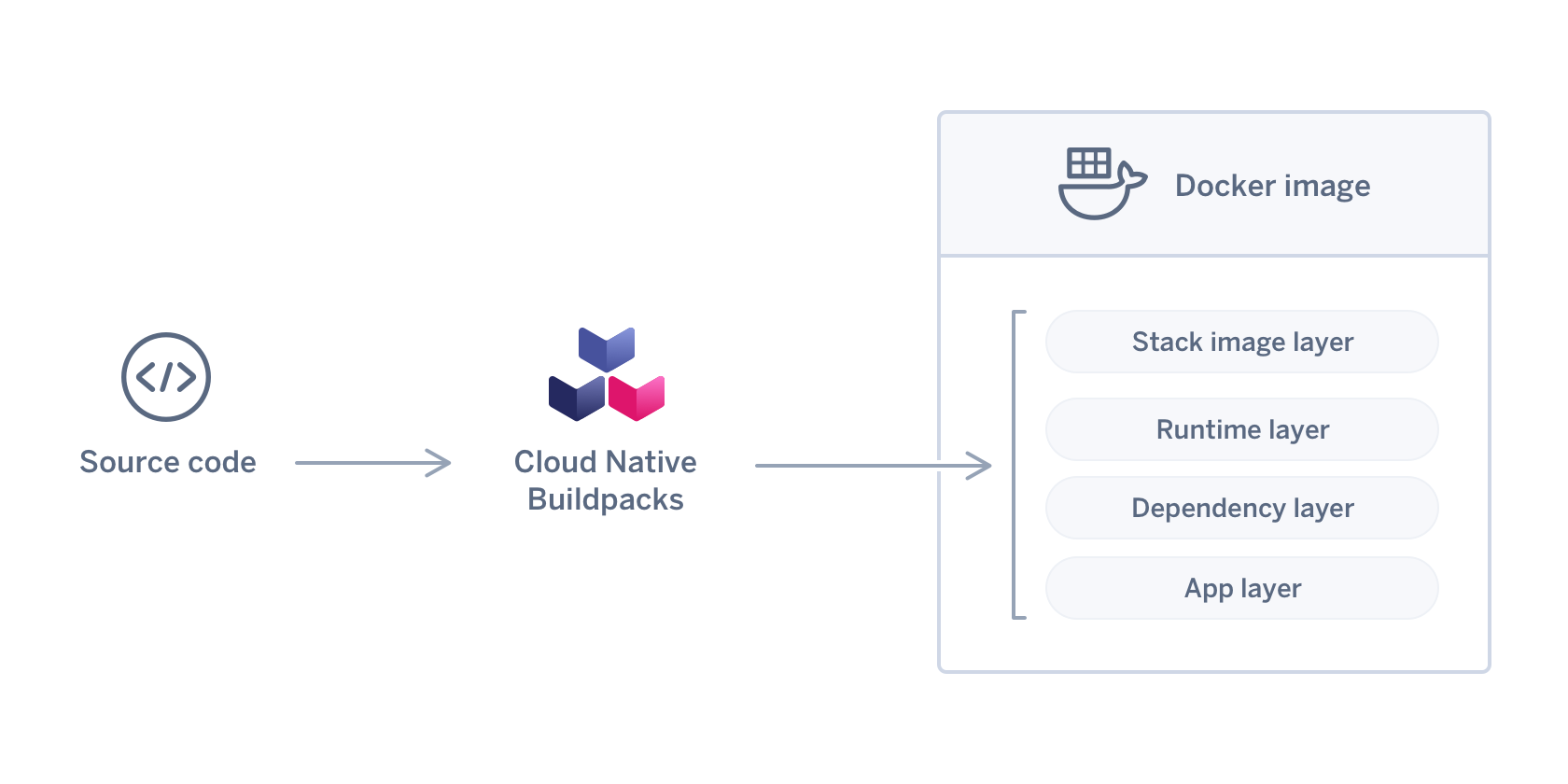
Your Heroku application’s journey to production begins with a buildpack that detects what kind of app you have, what tools you need to run, and how to tune your app for peak performance. In this way, buildpacks reduce your operational burden and let you to spend more time creating value for your customers. That’s why […] The post Buildpacks Go…
13 Sept 2018
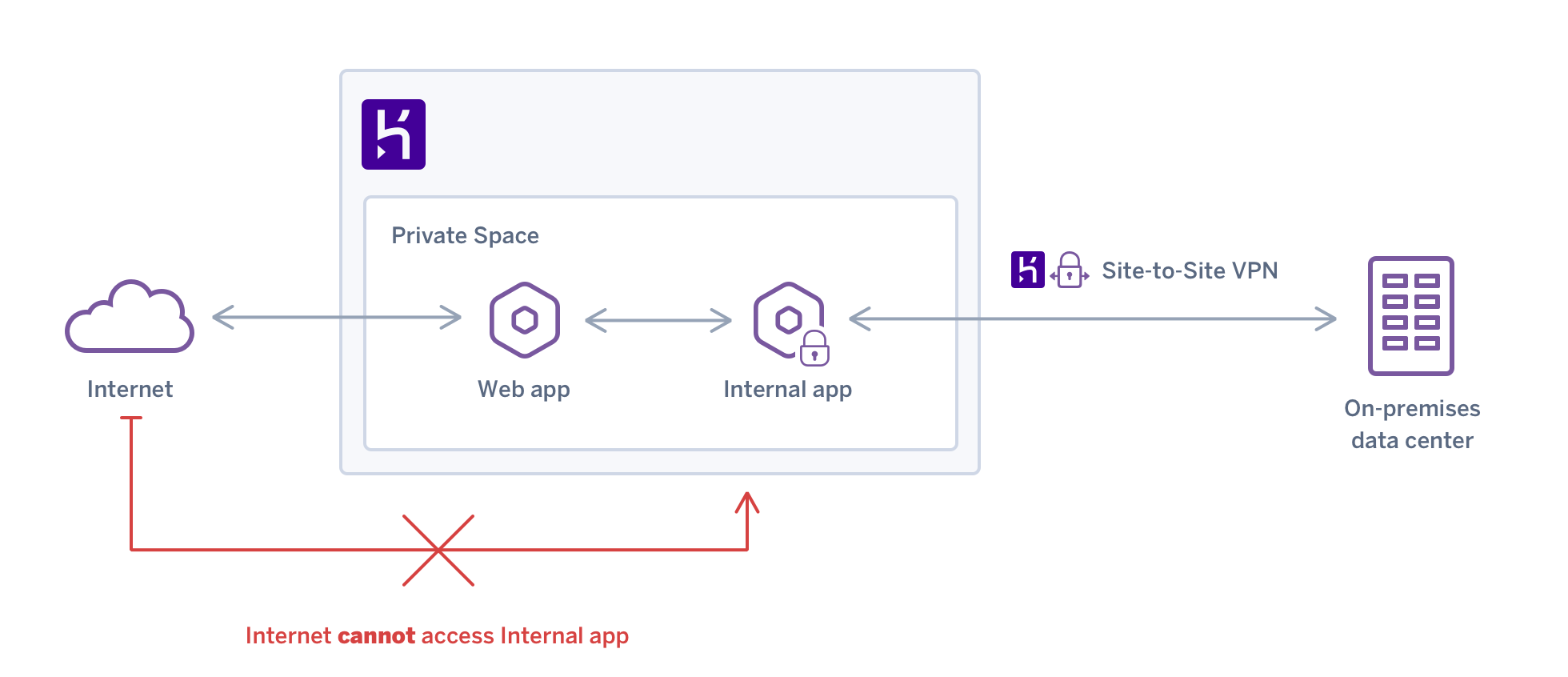
Today we’re excited to announce Site-to-Site Virtual Private Network (VPN) support for Heroku Private Spaces. Heroku customers can now establish secure, site-to-site IPsec connections between Private Spaces on Heroku and their offices, datacenters and deployments on non-AWS clouds. VPN is a powerful, proven and widely-adopted technology for securely combining multiple networks (or adding individual hosts […] The post VPN Support…
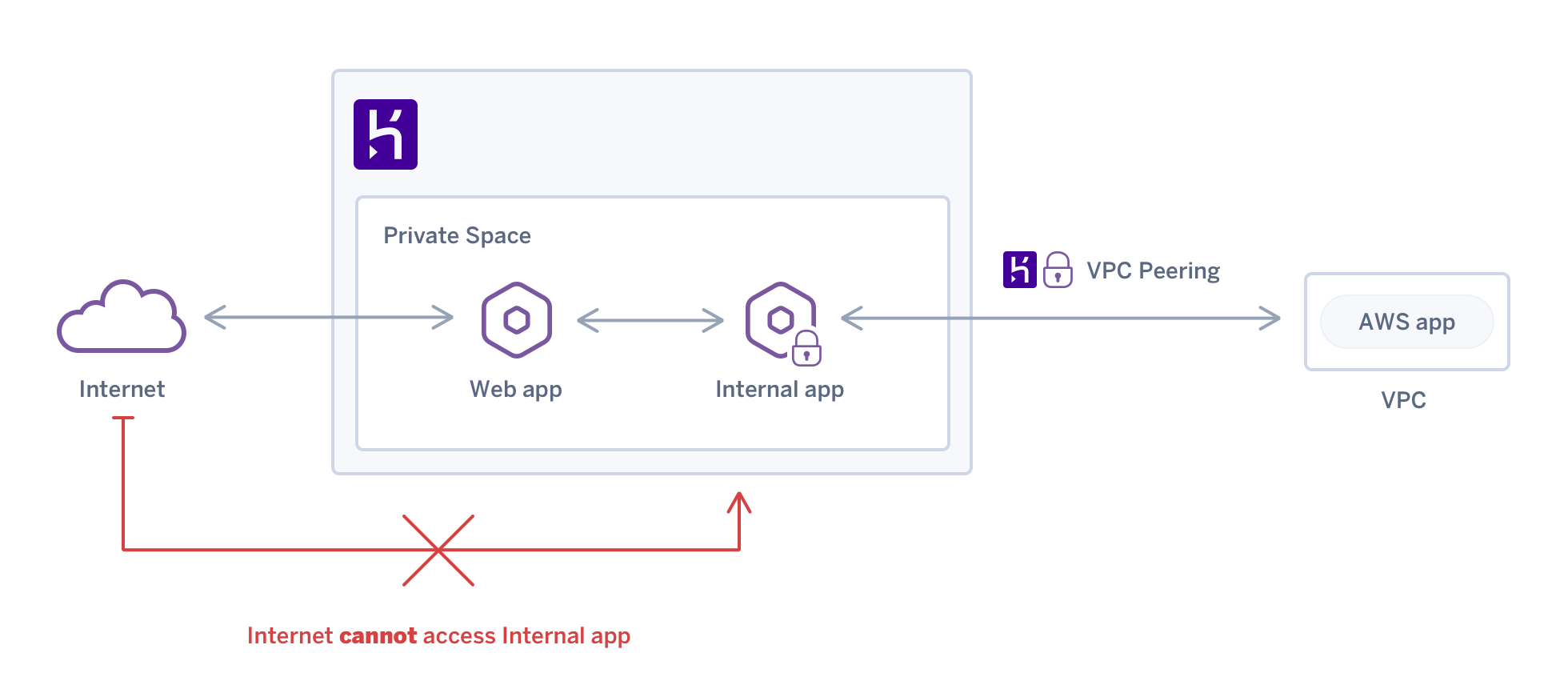
Today we’re announcing a powerful new network control for apps running in Heroku Private Spaces: Internal Routing. Apps with Internal Routing work exactly the same as other Heroku apps, except the web process type is published to an endpoint that’s routable only within the Private Space and on VPC and VPN peered networks (see the […] The post Internal Routing…
23 Aug 2018
Today we are proud to announce that Heroku has achieved several important compliance milestones that provide third party validation of our security best practices: ISO 27001 Certification: Widely recognized and internationally accepted information security standard that specifies security management best practices and comprehensive security controls following ISO 27002 best practices guidance. ISO 27017 Certification: A […] The post Announcing ISO…
22 May 2018

The Public Cloud Security (PCS) group at Salesforce partners very closely with Heroku engineering to review and advise on new product features across the platform, from infrastructure to applications. One of the most rewarding aspects about this partnership and working on this team for me is when we not only identify security concerns, but take […] The post Securing Dependencies…
16 May 2018
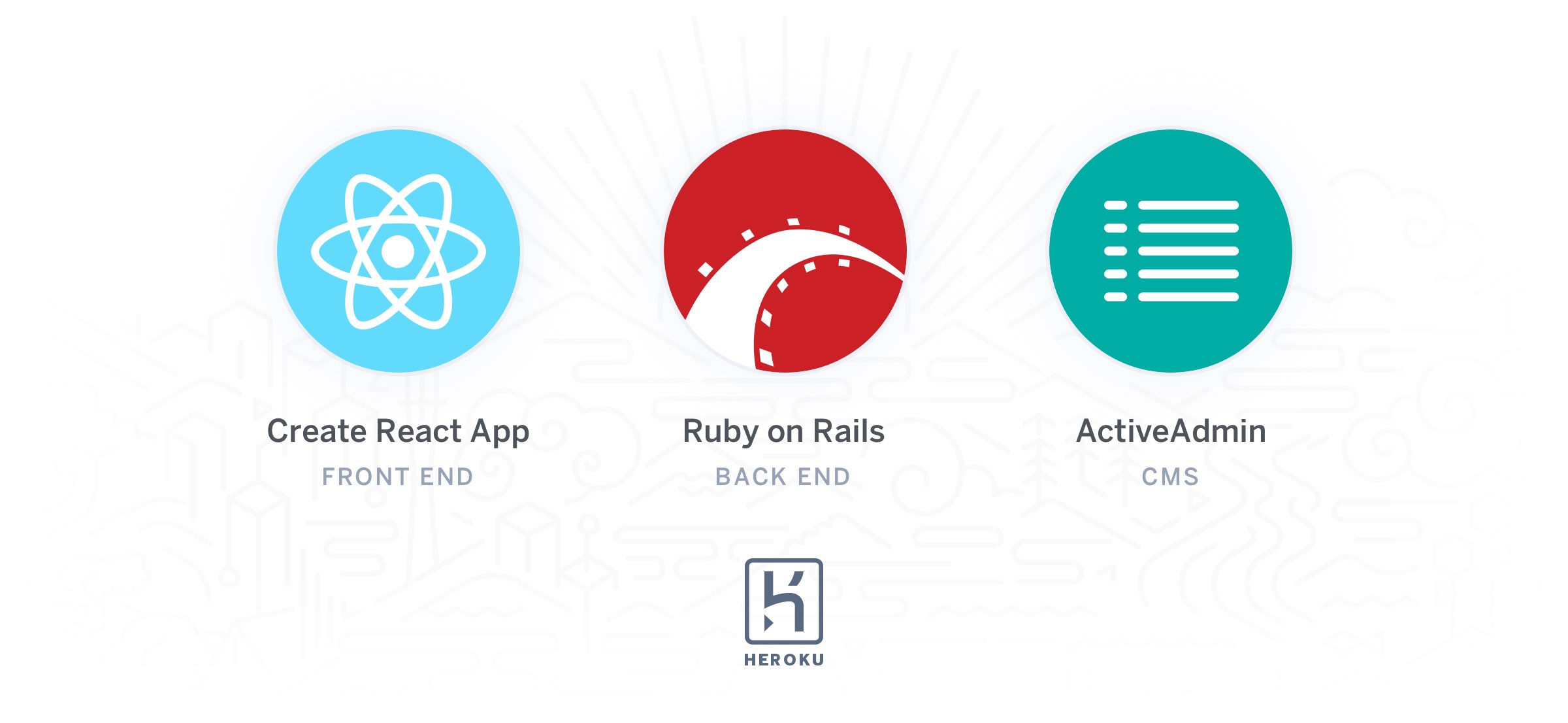
How to blend a rock-solid CMS and API with the absolute best in front-end tooling, built as a single project and hosted seamlessly on Heroku. Rails is an incredible framework, but modern web development has moved to the front-end, meaning sometimes you don’t need all the bulk of the asset pipeline and the templating system. In […] The post Modern…
8 Mar 2018
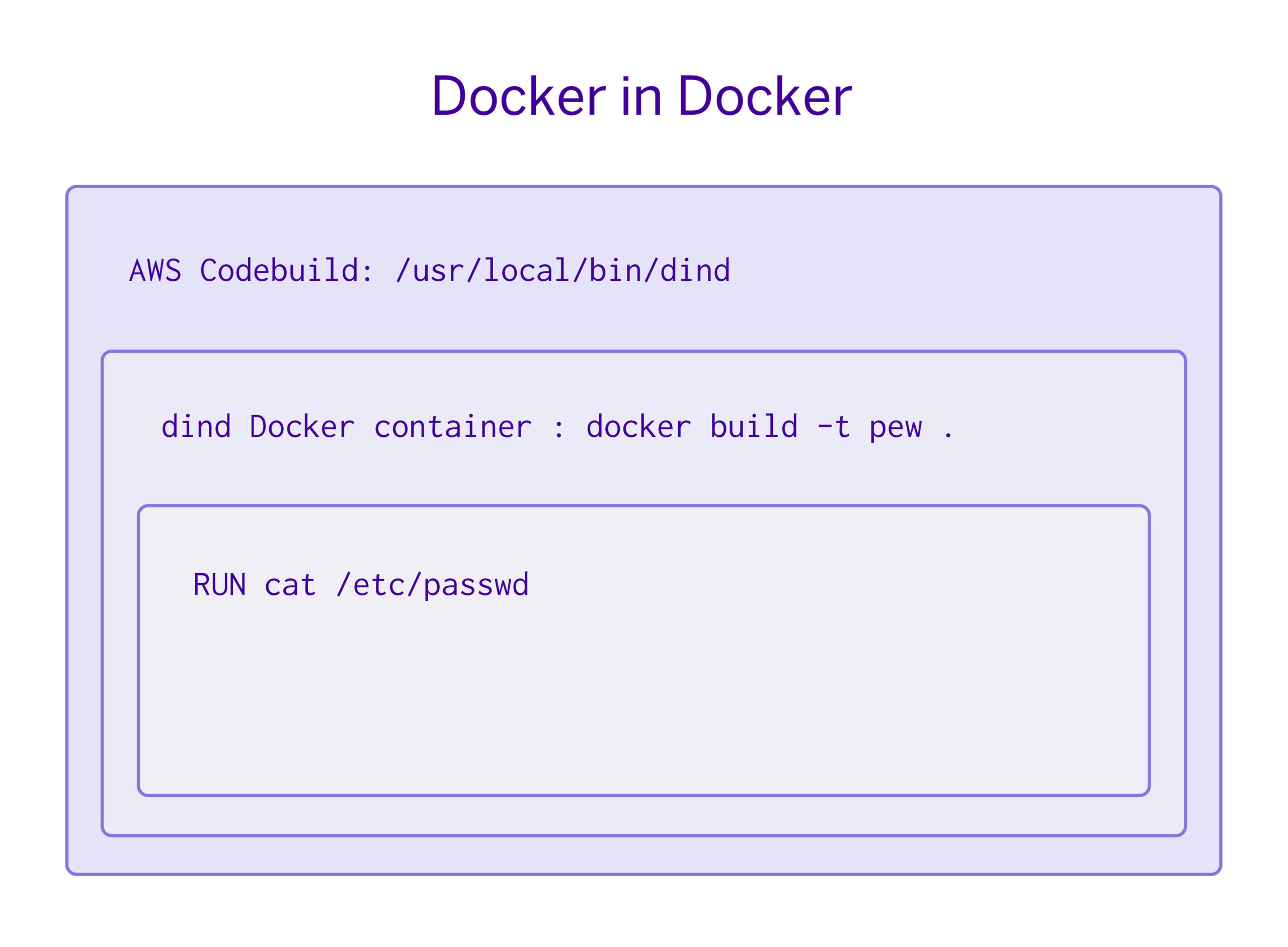
Containers, specifically Docker, are all the rage. Most DevOps setups feature Docker somewhere in the CI pipeline. This likely means that any build environment you look at, will be using a container solution such as Docker. These build environments need to take untrusted user-supplied code and execute it. It makes sense to try and securely […] The post A House…
22 Feb 2018

Kubernetes is a container orchestration system that originated at Google, and is now being maintained by the Cloud Native Computing Foundation. In this post, I am going to dissect some Kubernetes internals—especially, Deployments and how gradual rollouts of new containers are handled. What Is a Deployment? This is how the Kubernetes documentation describes Deployments: A […] The post Dissecting Kubernetes…
23 Jan 2018

The following is the story of how Randall Degges created a simple API to solve the common problem of external IP address lookup and how he scaled it from zero to over 10 thousand requests per second (30B/month!) using Node.js and Go on Heroku. Several years ago I created a free web service, ipify. It […] The post Scaling ipify…
27 Oct 2017
Need to quickly catch up on this past quarter's announcements? Here are the top three topics to tune in on: Heroku has expanded regions availability for Private Spaces and introduced the general availability of the Dublin region on September 26, 2017. Heroku users are able to run apps in all of the following Private Spaces […] The post FY18 Q3…
3 Oct 2017
In the last few years Docker has emerged as a de facto standard for packaging apps for deployment. Today, Heroku Container Registry and Runtime is generally available, allowing you to deploy your Docker images directly to Heroku. With Container Registry, you get all of the benefits of Docker — a great local development experience and […] The post Container Registry…
2 Oct 2017

Pushing an app to the cloud can feel like launching a probe into space. Once your project is thousands of miles away you can't bang on it with a hammer or replace broken parts when there's a problem. Your debugging efforts must rely on the instrumentation, telemetry, and remote controls included with the app when […] The post In the…
14 Sept 2017
Event-driven architectures are on the rise, in response to fast-moving data and constellations of inter-connected systems. In order to support this trend, last year we released Apache Kafka on Heroku – a gracefully integrated, fully managed, and carefully optimized element of Heroku’s platform that is the culmination of years of experience of running many hundreds […] The post Kafka Everywhere:…
22 Aug 2017
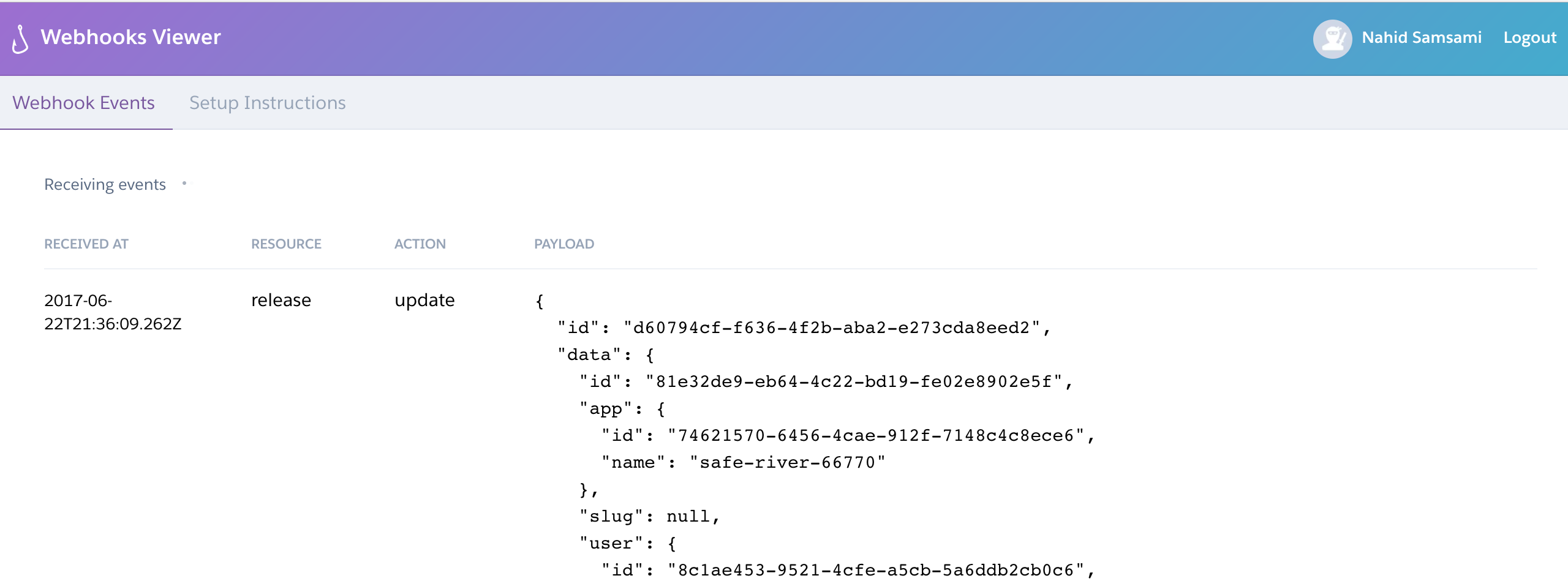
We're happy to announce that Heroku app webhooks is now generally available for all Heroku customers. App webhooks provide notifications when your Heroku app changes, including modifications to domain settings, releases, add-ons, and dyno formations. These notifications can empower your internal communications, dashboards, bots or anything else that can receive HTTP POST requests. Integrating with […] The post Heroku Webhooks:…
28 Jul 2017
Need to quickly catch up on this past quarter's announcements? Here are the top three topics to tune in on: Heroku announced the general availability of continuous integration (CI) on May 18, 2017. This new feature creates copies of staging apps to run tests, then destroys the app and its add-ons. With Heroku CI, you […] The post FY18 Q2…
31 May 2017
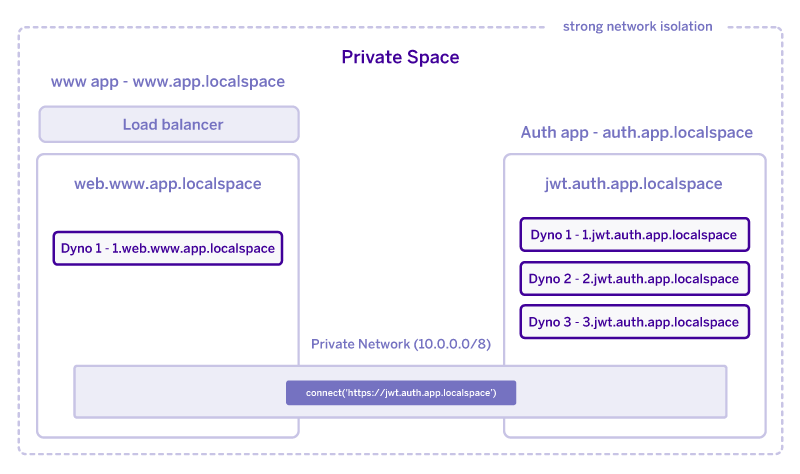
Today, we are excited to announce DNS Service Discovery for Heroku Private Spaces, an easy way to find and coordinate services for microservice-style deployments. As applications grow in sophistication and scale, developers often organize their applications into small, purpose-built “microservices”. These microservice systems act in unison to achieve what otherwise would be handled by a […] The post Announcing DNS…
20 Apr 2017
Your Heroku applications run on top of a curated stack, containing the operating system and other components needed at runtime. We maintain the stack – updating the OS, the libraries, and ensuring that known security issues are resolved, so that you can focus on writing code. Today we're announcing the general availability of Heroku-16, our […] The post The Heroku-16…
22 Dec 2016

During the development of the recently released Heroku SSL feature, a lot of work was carried out to stabilize the system and improve its speed. In this post, I will explain how we managed to improve the speed of our TLS handshakes by 4-5x. The initial reports of speed issues were sent our way by […] The post How We…
23 Aug 2016
At Heroku, we’re always working towards increased operational stability with the services we offer. As we recently launched the beta of Apache Kafka on Heroku, we’ve been running a number of clusters on behalf of our beta customers. Over the course of the beta, we have thoroughly exercised Kafka through a wide range of cases, […] The post Dawn of…
21 Jul 2016
Scott Raio is Co-Founder and CTO of Combatant Gentlemen], a design-to-delivery menswear e-commerce brand. What microservices are you running in Heroku Private Spaces? We’ve written an individual service for every business use case. For example, we have services for order processing, product catalog, account management, authentication, swatch display, POs, logistics, payments, etc. With all these […] The post How Combatant…
19 Jul 2016
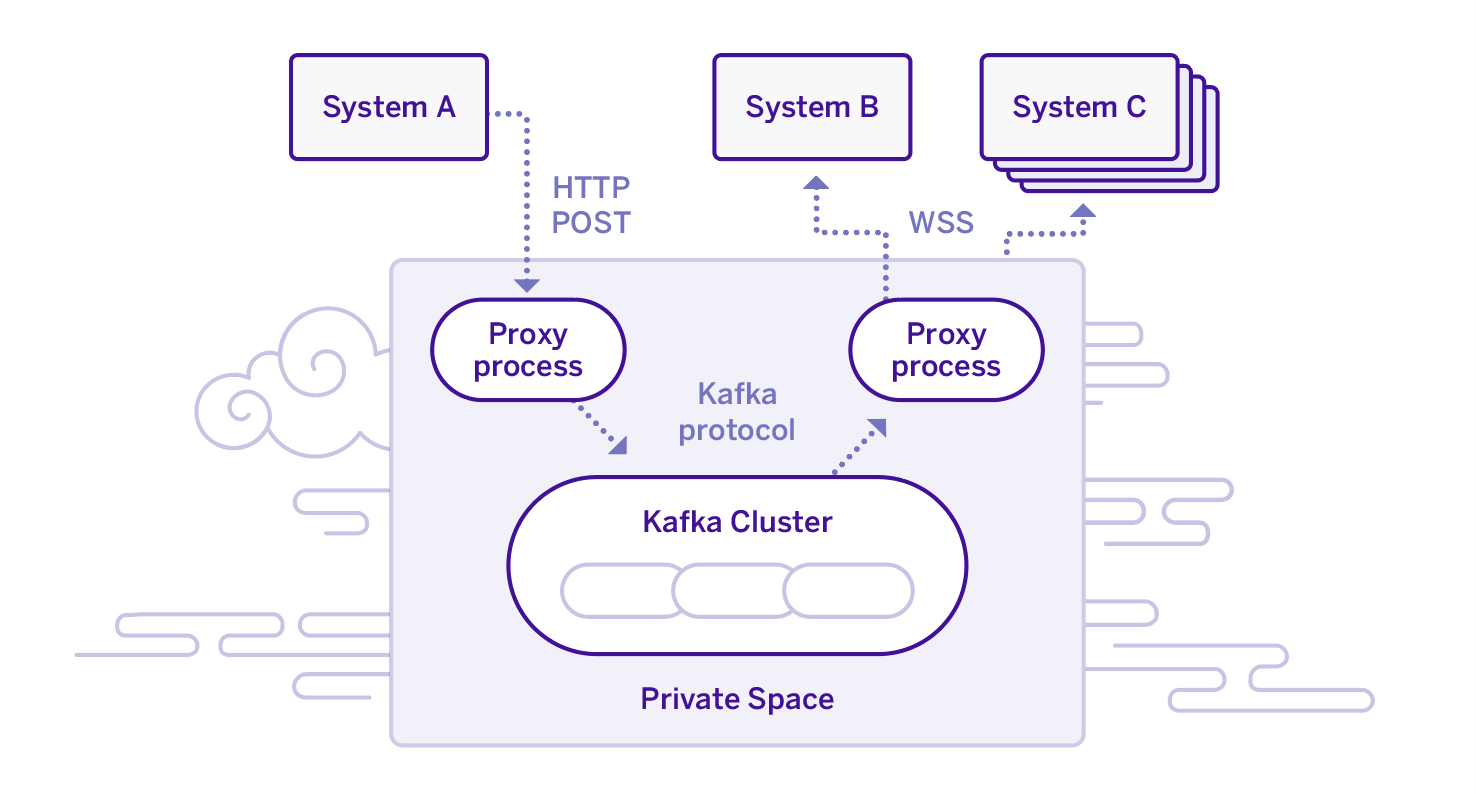
We recently launched Apache Kafka on Heroku into beta. Just like we do with Heroku Postgres, our internal engineering teams have been using our Kafka service to power a number of our internal systems. The Big Idea The Heroku platform comprises a large number of independent services. Traditionally we’ve used HTTP calls to communicate between […] The post Powering the…
2 Jun 2016
Andrey Petrov is the author of urllib3, the creator of Briefmetrics and ssh-chat, and a former Googler and YCombinator alum. He’s here to tell us of a dangerous expedition his requests undertook, which sent them from Python, through the land of C, to a place called Go (and back again). Today we're going to make […] The post See Python,…
2 May 2016
Rails 5 will be the easiest release ever to get running on Heroku. You can get it going in just five lines: $ rails new myapp -d postgresql $ cd myapp $ git init . ; git add . ; git commit -m first $ heroku create $ git push heroku master These five lines […] The post Container-Ready Rails…
25 Apr 2016
Today we are announcing that Session Affinity routing is now generally available as a fully supported part of the Heroku Platform. When Session Affinity is enabled for an app, requests from a given browser will always be routed to the same Dyno. Under the hood, the Heroku Router will add a cookie to all incoming […] The post Session Affinity…
26 Jan 2016

Today Heroku is announcing that Heroku Private Spaces is generally available. Introduced in beta in September, Private Spaces is a new Heroku runtime designed from the ground up to meet the trust and control requirements of the most demanding applications. This new architecture enables Private Spaces to deliver the best of both worlds: the easy […] The post Heroku Private…
9 Jul 2015
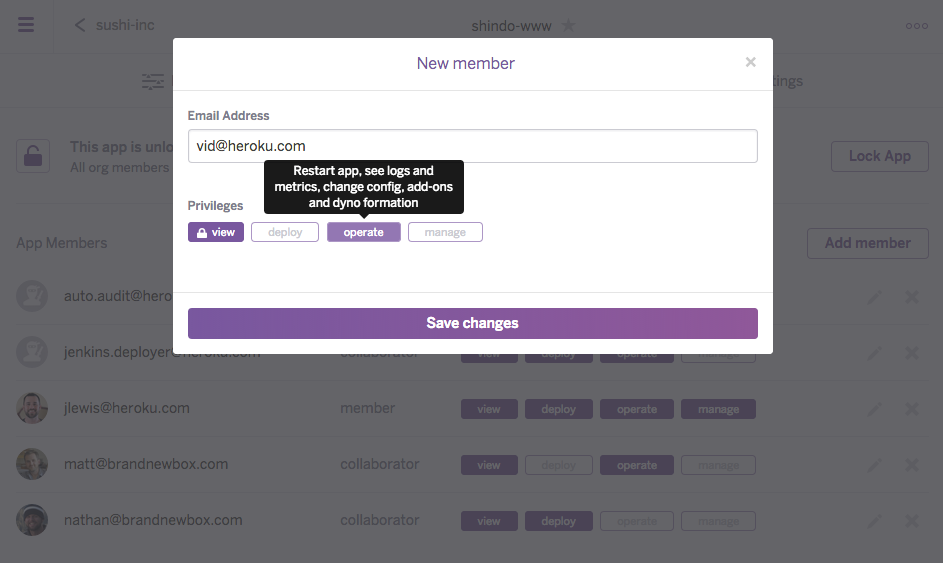
In February, we announced Heroku Enterprise, with collaboration and management capabilities for building and running your app portfolio in a governable and secure way on Heroku. We also introduced fine-grained access controls with app privileges as a beta feature. Today, we are pleased to announce general availability of this feature: Heroku Enterprise accounts are now […] The post Managing apps…
21 Jan 2015
All successful applications grow more complex over time, and that complexity creates challenges in development. There are two essential strategies to manage this problem: a team can keep everything together (create a monolith) or a team can divide a project into smaller pieces (create microservices). The monolith at its most extreme is a single code […] The post Why Microservices,…
23 May 2014
Developers want to spend less time setting up applications and start working with the code sooner. Setting up applications is error-prone, time consuming and interruptive to the development flow. Often, there are several steps to go from your code or other samples and templates that you find in repositories online, to a running application that […] The post Introducing the…